Acacia & Other Australian Natives
Master acacia bonsai care and cultivate other Australian native species like Bottlebrush, Paperbark, and Tea Tree. Discover essential seasonal care tips for stunning Southern Hemisphere bonsai.
bonzai.co.nz
What You Will Learn
Master acacia bonsai care and cultivate other Australian native species like Bottlebrush, Paperbark, and Tea Tree. Discover essential seasonal care tips for stunning Southern Hemisphere bonsai.
Acacia & Other Australian Natives: Master Southern Hemisphere Bonsai Care
Unearth the secrets to cultivating stunning Australian native bonsai, focusing on seasonal care, styling, and showcasing their unique charm. Dive into practical guides for Acacia, Callistemon, Melaleuca, Leptospermum, and native Ficus species.
Table of Contents
The art of bonsai often evokes images of ancient Japanese maples and pines, but for enthusiasts in the Southern Hemisphere, a world of equally captivating possibilities exists within our native flora. Australia’s unique plant life offers an incredible array of species perfectly suited for bonsai, each bringing its own character, resilience, and seasonal beauty. From the iconic wattle of the Acacia bonsai care to the vibrant bottlebrushes and delicate tea trees, mastering these natives unlocks a truly authentic Southern Hemisphere bonsai experience.
Unlike Northern Hemisphere species, Australian natives demand an understanding of their specific growth cycles and environmental tolerances. This comprehensive guide will illuminate the path to successfully growing and styling some of Australia’s most beloved plants into breathtaking miniature landscapes.
Acacia Bonsai: Species & Care
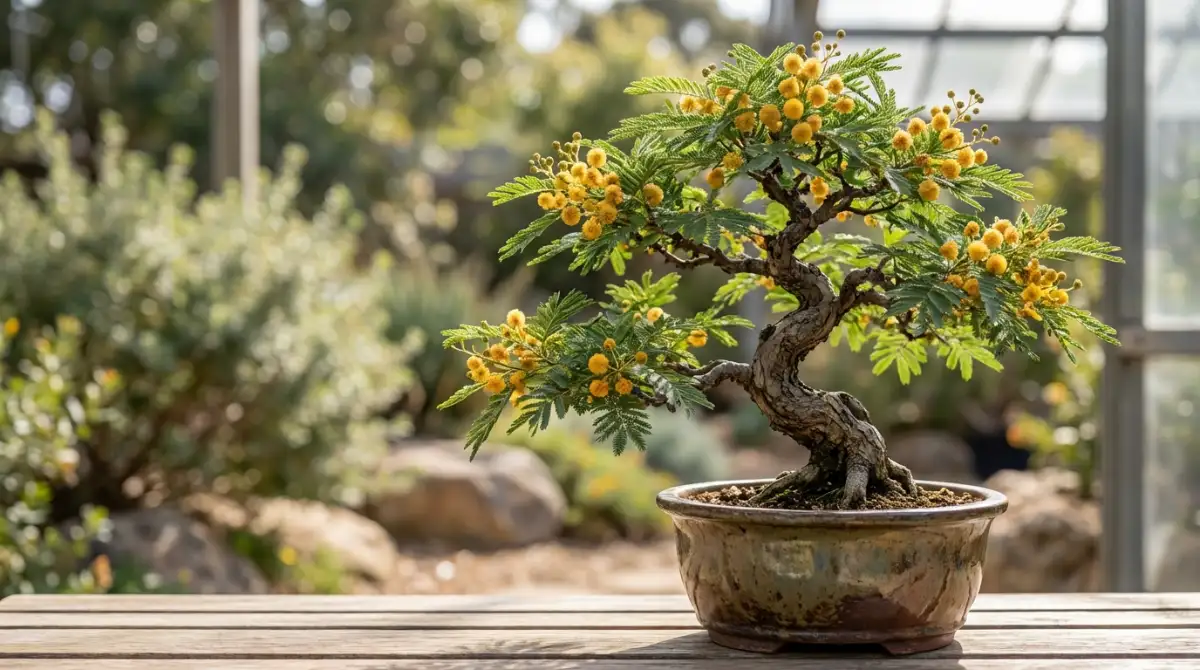
Acacias, commonly known as wattles, are synonymous with the Australian landscape, offering a vast range of species suitable for bonsai. Their fine foliage, often vibrant yellow flowers, and sometimes fascinating phyllodes (modified leaf stems) make them exceptional candidates. Key to successful acacia bonsai care is selecting the right species and understanding its specific needs.
Popular Acacia Species for Bonsai:
- Acacia pycnantha (Golden Wattle): Australia’s floral emblem, known for prolific golden blooms.
- Acacia baileyana (Cootamundra Wattle): Feathery foliage, small stature, and often pendulous branches.
- Acacia cognata (River Wattle): Fine, weeping foliage, elegant form.
Step-by-Step Acacia Bonsai Care:
- 1. Watering: Acacias prefer consistent moisture but are susceptible to root rot in waterlogged conditions. Water thoroughly when the topsoil begins to dry. Reduce watering slightly in cooler months.
- 2. Sunlight: Full sun is essential for vigorous growth and abundant flowering. Aim for at least 6-8 hours of direct sunlight daily.
- 3. Soil: Use a well-draining, slightly acidic to neutral bonsai mix. A blend of akadama, pumice, and organic compost works well, ensuring good aeration.
- 4. Pruning & Wiring: Prune heavily after flowering to maintain shape and encourage ramification. Acacias can be wired, but their branches can be brittle; use care and check regularly for wire bite. Develop structure through clip-and-grow.
- 5. Fertilising: Fertilise with a balanced, slow-release native fertiliser during the growing season (spring to autumn in the Southern Hemisphere). Avoid high phosphorus fertilisers.
- 6. Repotting: Repot every 1-2 years in early spring before new growth emerges. Trim roots moderately, ensuring good drainage.
Callistemon (Bottlebrush) Bonsai
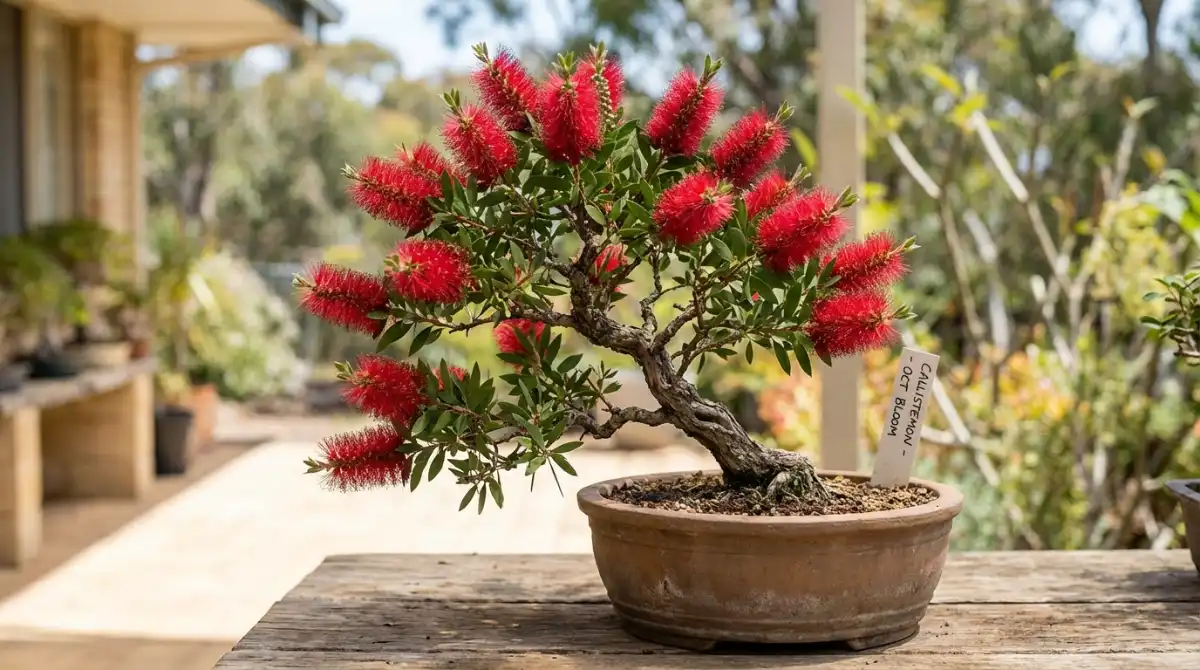
Callistemons, or Bottlebrushes, are renowned for their striking, brush-like flowers that attract native birds. Their hardy nature and ability to back-bud vigorously make them excellent bonsai subjects. The vivid red, pink, or yellow blooms are a highlight in spring and summer.
Step-by-Step Callistemon Bonsai Care:
- 1. Watering: Keep soil consistently moist, especially during flowering. They are tolerant of short dry periods but thrive with regular watering.
- 2. Sunlight: Full sun is crucial for prolific flowering and compact growth.
- 3. Soil: A well-draining, slightly acidic to neutral mix. They are adaptable but good drainage is key.
- 4. Pruning & Wiring: Prune after flowering to shape and encourage new growth. Bottlebrushes respond well to hard pruning. Wiring is possible but branches can be stiff; young branches are more pliable.
- 5. Fertilising: Use a low phosphorus native fertiliser during the growing season.
- 6. Repotting: Repot annually or biennially in early spring. They are vigorous growers and benefit from root pruning.
Melaleuca (Paperbark) Bonsai
Melaleucas, known as paperbarks, are admired for their distinctive papery bark, delicate foliage, and adaptability. Many species thrive in wet conditions, making them resilient and forgiving. Their unique bark develops beautifully with age, adding significant character to a bonsai.
Step-by-Step Melaleuca Bonsai Care:
- 1. Watering: Melaleucas tolerate a range of conditions but appreciate consistent moisture. They can handle more water than many other natives, making them suitable for moisture-retentive mixes.
- 2. Sunlight: Full sun to partial shade. More sun encourages denser foliage.
- 3. Soil: A well-draining mix, but they can tolerate heavier soils than many natives.
- 4. Pruning & Wiring: Prune heavily to shape. Melaleucas back-bud readily on old wood. Wiring is effective on younger branches; older branches are stiff.
- 5. Fertilising: Use a balanced, slow-release native fertiliser in spring and summer.
- 6. Repotting: Repot every 1-2 years in early spring. They are robust and tolerate significant root pruning.
Leptospermum (Tea Tree) Bonsai
Leptospermums, or Tea Trees, are cherished for their small, often aromatic foliage and abundant, delicate flowers. They offer a refined elegance to bonsai, forming dense pads of foliage and creating intricate branch structures.
Step-by-Step Leptospermum Bonsai Care:
- 1. Watering: Consistent moisture is preferred. Avoid drying out completely, especially when flowering.
- 2. Sunlight: Full sun is ideal for best growth and flowering.
- 3. Soil: A free-draining, slightly acidic bonsai mix is essential.
- 4. Pruning & Wiring: Prune regularly to encourage dense foliage. They can be wired, but branches become rigid quickly. Develop shape through clip-and-grow.
- 5. Fertilising: Fertilise with a low phosphorus native fertiliser during the growing season.
- 6. Repotting: Repot every 1-2 years in early spring. They have fine roots and appreciate careful handling.
Fig (Ficus) Natives as Bonsai
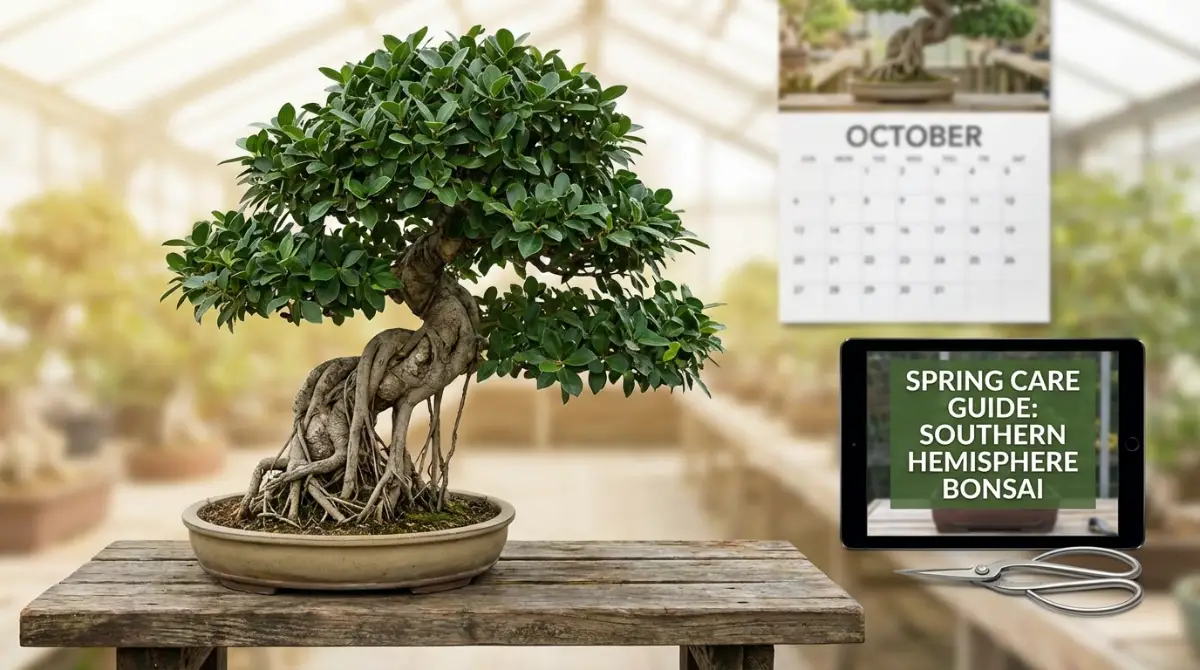
Australia boasts several native Ficus species that make superb bonsai. Their strong root systems, aerial roots (in some species), lush foliage, and ability to withstand aggressive pruning are highly desirable traits. Species like Ficus macrophylla (Moreton Bay Fig) and Ficus rubiginosa (Port Jackson Fig) are particularly popular.
Step-by-Step Native Ficus Bonsai Care:
- 1. Watering: Ficus prefer consistent moisture. Allow the topsoil to dry slightly between waterings, but never let them dry out completely.
- 2. Sunlight: Full sun is highly beneficial for compact growth and leaf reduction.
- 3. Soil: A well-draining, moisture-retentive bonsai mix.
- 4. Pruning & Wiring: Ficus tolerate heavy pruning and back-bud well. They respond excellently to wiring and shaping. Leaf reduction can be performed.
- 5. Fertilising: Fertilise regularly during the growing season with a balanced liquid fertiliser.
- 6. Repotting: Repot annually or biennially, typically in late spring or early summer. They are robust and handle root pruning well.
General Care for Diverse Australian Natives
While specific needs vary, several general principles apply to most Australian native bonsai, especially concerning the Southern Hemisphere’s distinct seasonality.
Southern Hemisphere Seasonal Care:
- Spring (September-November): This is the peak growth period. Increase watering and begin fertilising. Repot deciduous or semi-deciduous natives, and prune for initial shaping.
- Summer (December-February): Intense heat and strong sun. Protect sensitive species from scorching. Water frequently, sometimes multiple times a day. Continue fertilising.
- Autumn (March-May): Growth slows. Reduce watering and cease fertilising towards the end of autumn. Prepare for winter dormancy or cooler temperatures.
- Winter (June-August): Dormancy for many. Protect frost-tender species. Water sparingly, only when the soil is almost dry. Avoid fertilising.
Pest and Disease Management:
Australian natives are generally hardy, but watch for common pests like aphids, scale, and mealybugs. Use organic pest control methods where possible. Ensure good air circulation to prevent fungal issues.
“Patience and observation are your greatest tools when cultivating native bonsai. Each species tells a story of its origin through its growth habit.”
Showcasing Unique Characteristics
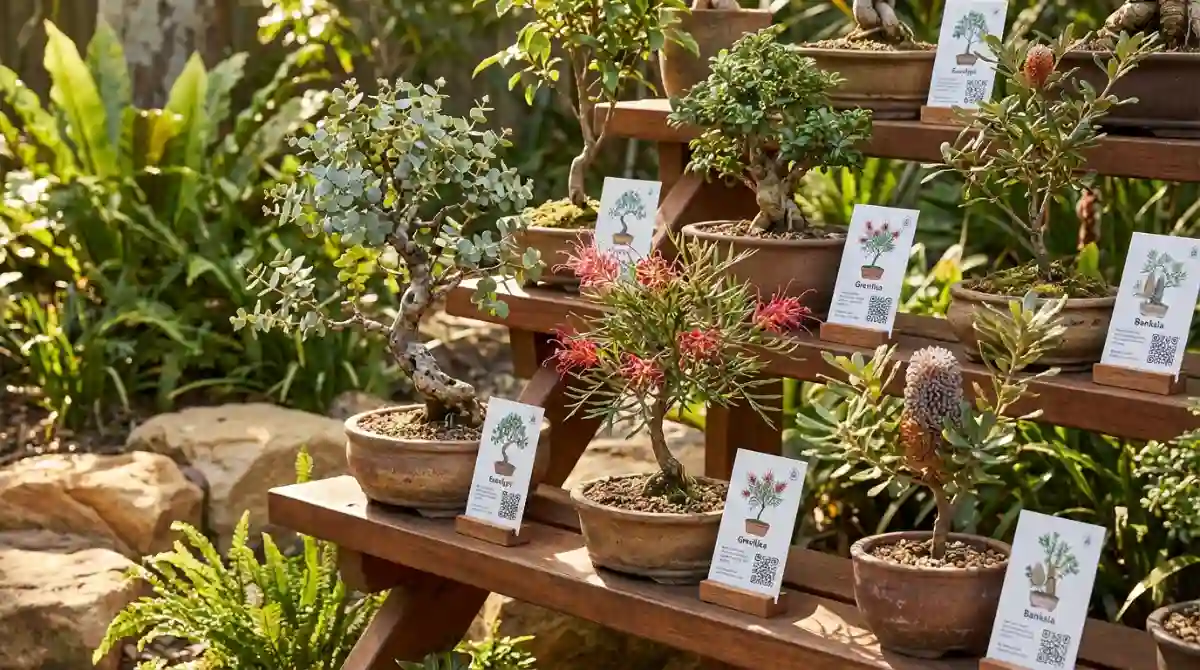
The true beauty of native Australian bonsai lies in embracing and enhancing their inherent characteristics. Whether it’s the exfoliating bark of a Melaleuca, the delicate flowers of a Leptospermum, or the gnarled roots of a Ficus, strive to highlight what makes each species unique. Consider styles that reflect their natural growth in the Australian bush, such as windswept forms or open, naturalistic shapes.
Frequently Asked Questions (FAQ)
Q: Can I use regular potting mix for native Australian bonsai?
A: It’s generally not recommended. Regular potting mix can retain too much moisture and often contains high levels of phosphorus, which can be detrimental to many phosphorus-sensitive Australian natives. Always opt for a well-draining bonsai mix with low phosphorus fertiliser.
Q: How often should I fertilise my native bonsai?
A: During the active growing season (spring and summer in the Southern Hemisphere), fertilise every 2-4 weeks with a balanced, low-phosphorus native fertiliser. Reduce or cease fertilising during cooler, dormant months.
Q: Are Australian native bonsai suitable for beginners?
A: Many native species, particularly Callistemon, Melaleuca, and some Ficus, are very hardy and forgiving, making them excellent choices for beginners. Acacias and Leptospermums require a bit more attention to watering and pruning but are still approachable.
Q: What’s the best time to prune Australian native bonsai?
A: Generally, the best time for significant structural pruning is in early spring before new growth flushes. Lighter maintenance pruning (tip pruning, flower removal) can be done throughout the growing season after flowering to encourage ramification.
References & Further Reading
- Australian Native Plants Society (Australia) – ANPSA. (Various articles on native plant cultivation).
- Koreshoff, D. (1984). Bonsai: Its Art, Science, History and Philosophy. Timber Press. (General bonsai principles applicable to natives).
- Bonsai Empire. (Online resources for various species care guides).
- Royal Botanic Gardens Victoria. (Information on native plant species and their characteristics).