Australian Native Bonsai Species
Discover specific Australian native bonsai species like Ficus, Leptospermum, and Callistemon. Learn expert care, styling, and regional tips for these unique trees.
bonzai.co.nz
What You Will Learn
Discover specific Australian native bonsai species like Ficus, Leptospermum, and Callistemon. Learn expert care, styling, and regional tips for these unique trees.
Unearthing the Beauty: Specific Australian Native Bonsai Species for Your Collection
Beyond the traditional Japanese maples and junipers, a vibrant and resilient world of Australian native bonsai species awaits the discerning enthusiast. These unique botanical treasures, hailing from the diverse landscapes of the Southern Hemisphere, offer distinct challenges and immense rewards. With their incredible adaptability, unique foliage, and stunning floral displays, cultivating native Australian trees as bonsai connects you intimately with the continent’s ancient ecology. This comprehensive guide will delve into specific species, tailored care practices, and regional considerations to help you master the art of Australian native bonsai.
Table of Contents
- Benefits & Challenges of Native Species
- Top Australian Species for Bonsai
- Collecting Yamadori: Ethical Guidelines
- Styling & Training Techniques for Natives
- Soil & Potting Mixes for Australian Trees
- Regional Considerations for Cultivation
- Showcasing Australian Native Bonsai
- Frequently Asked Questions (FAQ)
- References & Further Reading
Benefits & Challenges of Native Species
Embracing native flora for bonsai offers a unique journey. Understanding their inherent strengths and potential hurdles is key to success.
Pros of Australian Native Bonsai
- Resilience: Many species are accustomed to harsh conditions, making them remarkably robust.
- Unique Aesthetics: Distinct foliage shapes, bark textures, and flowering habits offer fresh design opportunities.
- Local Adaptability: For growers in Australia and New Zealand, native species are often better adapted to local climates, reducing common care issues.
- Biodiversity Support: Encourages appreciation and cultivation of local ecosystems.
- Reduced Pest Issues: Often possess natural resistance to common local pests.
Cons & Challenges of Australian Native Bonsai
- Slower Growth: Some species, particularly those from arid regions, can be slow growers, requiring patience.
- Specific Soil Needs: Many natives prefer free-draining, low-nutrient soils, differing from conventional bonsai mixes.
- Humidity Sensitivity: Species from arid zones may struggle in high humidity, while rainforest species demand it.
- Limited Information: Less widely documented compared to traditional bonsai species, requiring more experimentation and research.
- Pruning Response: Some natives don’t back-bud as readily as others, necessitating careful planning.
Top Australian Species for Bonsai
Diving into specific Australian native bonsai species opens up a world of creative possibilities. Here are some of the most popular and rewarding choices:
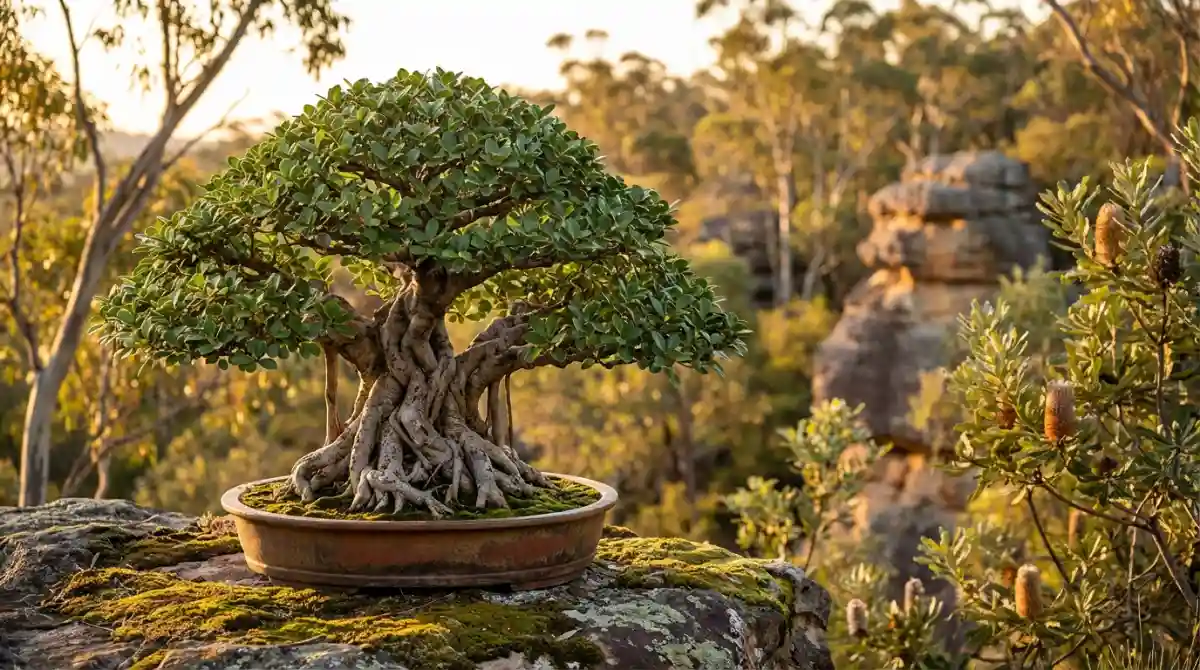
1. Ficus (Fig Species)
Australia boasts numerous native Ficus species, making them excellent candidates for bonsai due to their vigorous growth, aerial roots, and adaptability. Ficus macrophylla (Moreton Bay Fig) and Ficus rubiginosa (Port Jackson Fig) are particularly favored. They thrive in warm, humid conditions and respond well to heavy pruning, quickly developing nebari (root flare) and ramification.
2. Leptospermum (Tea Tree)
The Leptospermum genus offers many small-leafed, flowering varieties perfect for bonsai. Leptospermum scoparium (Manuka or Tea Tree) and Leptospermum laevigatum (Coast Tea Tree) are common choices. They produce abundant flowers, often in white or pink, and develop interesting fissured bark. They prefer full sun and good drainage.
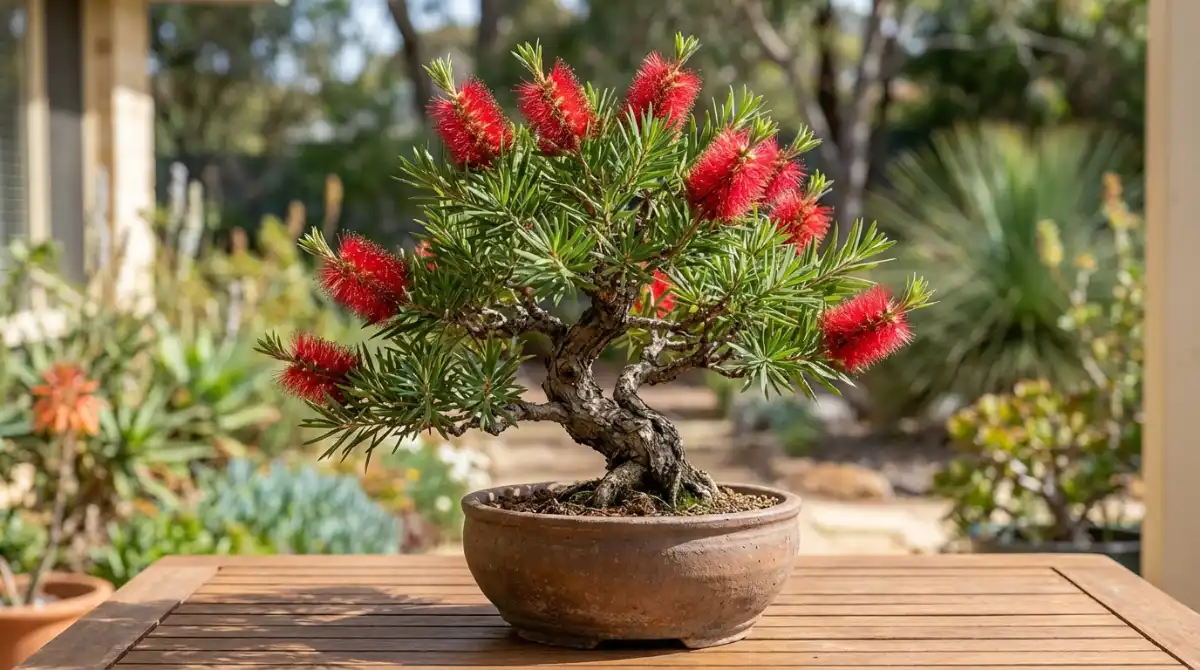
3. Callistemon (Bottlebrush)
Recognized by their distinctive, brush-like flowers, Callistemon species like Callistemon citrinus or Callistemon salignus make striking bonsai. They are hardy, tolerant of various conditions, and their vibrant red, pink, or yellow blooms add seasonal interest. Pruning after flowering encourages new growth and back-budding.
4. Melaleuca (Paperbark)
Melaleuca species, such as Melaleuca quinquenervia (Broad-leaved Paperbark) or Melaleuca linariifolia (Snow-in-Summer), are characterized by their beautiful, peeling paper-like bark and fine foliage. They are flood-tolerant in nature, making them forgiving with watering, but still require good drainage in a bonsai pot. Their intricate bark adds instant age to a design.
Collecting Yamadori: Ethical Guidelines
While the allure of finding a wild specimen (yamadori) is strong, ethical collection is paramount. Always prioritize conservation and respect for natural habitats.
- Permits are Essential: Never collect from private or public land without explicit written permission from the landowner or relevant authorities.
- Minimize Impact: Only take what you need and disturb the surrounding environment as little as possible.
- Sustainability: Never collect entire populations or rare species. Leave plenty of specimens to ensure regeneration.
- Timing: Collect during dormant periods (late autumn to early spring in the Southern Hemisphere) to maximize survival rates.
- Preparation: Root prune over several seasons if possible, and ensure the tree has a good root ball for transplanting.
“The true bonsai artist understands that their craft extends beyond the tree itself, encompassing a deep respect for nature and sustainable practices.”
Styling & Training Techniques for Natives
Many Australian native bonsai species respond uniquely to traditional styling methods. Adaptability and observation are crucial.
Step-by-Step Guide to Styling Natives
- Initial Pruning for Structure: Begin by removing undesirable branches (crossing, inward-growing, dead) to define the basic trunk line and primary branches. Consider the natural growth habit of the species.
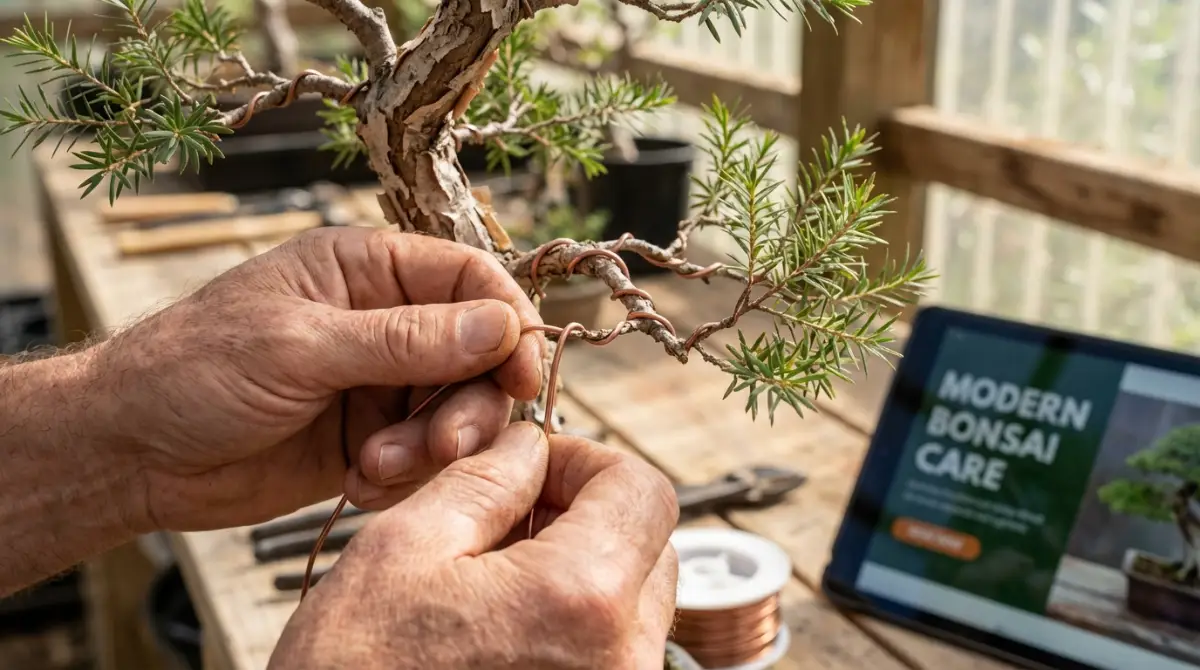
- Wiring and Branch Placement: Apply anodized aluminum wire to branches carefully. Some native species, like Ficus, are quite flexible, while others, such as some Eucalypts, can be brittle. Wire only when branches are actively growing but not overly soft. Check wire regularly to prevent cutting into bark.
- Developing Ramification (Fine Branching): Once primary and secondary branches are established, focus on tertiary branching. This is achieved through frequent tip-pruning during the growing season, which encourages back-budding and denser foliage pads.
- Defoliation (Selective): For some species, partial or full defoliation can encourage smaller leaves and more ramification. This should only be done on very healthy, vigorous trees, typically in early to mid-summer. Observe your specific species’ response carefully.
- Root Pruning and Repotting: Annually or biennially, depending on species vigor, root prune to encourage a dense root ball and maintain the tree in its pot. Remove circling and thick roots, leaving finer feeding roots.
Soil & Potting Mixes for Australian Trees
The right soil is critical for native species, as many are sensitive to root rot and specific nutrient levels. Excellent drainage is paramount.
Key Components for Native Bonsai Soil
- Inert Aggregate: Pumice, akadama (though can break down quickly for some natives), scoria, or crushed granite provide aeration and drainage.
- Organic Component: A small percentage of aged pine bark or coco peat can provide some water retention without becoming soggy. Avoid rich, heavy potting mixes.
- pH: Most Australian natives prefer slightly acidic to neutral pH (6.0-7.0).
A common mix might be 70-80% aggregate (pumice/scoria) and 20-30% organic material (pine bark). Always adjust based on the specific species and your local climate’s humidity.
Regional Considerations for Cultivation
Australia’s vast climatic zones mean that care for Australian native bonsai species must be adapted to local conditions.
- Temperate Zones (e.g., Sydney, Melbourne): Species from these regions are generally easier to cultivate. Provide protection from extreme winter frosts and scorching summer sun.
- Subtropical/Tropical Zones (e.g., Brisbane, Darwin): Rainforest species like Ficus thrive here, often requiring higher humidity and consistent warmth. Protect from direct, intense summer sun during the hottest parts of the day.
- Arid/Semi-Arid Zones (e.g., Alice Springs): Species from these areas are incredibly drought-tolerant but can be sensitive to overwatering and high humidity. Ensure maximum drainage and protect from prolonged wet periods.
Understanding your specific region’s seasonality (which is inverted compared to the Northern Hemisphere) for watering, feeding, and repotting is crucial. Winter dormancy and summer growth periods will vary.
Showcasing Australian Native Bonsai
Presenting your native bonsai allows its unique character to shine. Choose pots that complement the tree’s natural form and color palette.
- Pots: Earthy tones, unglazed ceramics, or pots that mimic natural rock formations often suit the rustic elegance of Australian natives.
- Display: Consider incorporating natural elements like Australian river stones or Mallee root accents in your display area.
- Seasonal Interest: Highlight the tree’s best features – be it vibrant spring flowers, interesting seed pods, or striking autumn foliage (for deciduous natives, though rare).

Frequently Asked Questions (FAQ)
What are the easiest Australian native bonsai species for beginners?
Ficus species (like Ficus rubiginosa) and Leptospermum (Tea Tree) are often recommended for beginners. They are generally robust, forgiving of mistakes, and respond well to standard bonsai techniques.
Do Australian native bonsai require special fertilizer?
Many Australian native species are adapted to low-nutrient soils and can be sensitive to high levels of phosphorus. It’s best to use a low-phosphorus fertilizer specifically formulated for native plants, or a balanced, diluted liquid fertilizer, applied sparingly during the growing season.
When is the best time to repot Australian native bonsai in the Southern Hemisphere?
The ideal time to repot most Australian native bonsai is in late winter to early spring, just as new growth is beginning. This allows the tree to quickly recover and establish new roots before the intense summer heat.
References & Further Reading
- Australian Native Bonsai Society Resources: www.anbs.org.au
- Bonsai Empire – Australian Bonsai Species: www.bonsaiempire.com/inspiration/bonsai-species/australia
- Royal Botanic Garden Sydney – Native Plant Care Guides: www.rbgsyd.nsw.gov.au/learn/plant-info/plant-care-guides
- Various academic papers on Australian flora propagation (e.g., Australian Journal of Botany).