Pest & Disease Management (Regional)
Master bonsai pest control in Australia & NZ. Learn to identify, treat, and prevent common pests and diseases with expert guides, organic solutions, and IPM strategies for your native bonsai.
bonzai.co.nz
What You Will Learn
Master bonsai pest control in Australia & NZ. Learn to identify, treat, and prevent common pests and diseases with expert guides, organic solutions, and IPM strategies for your native bonsai.
Pest & Disease Management (Regional): Essential Bonsai Pest Control in Australia & NZ
The art of bonsai is a journey of patience, precision, and deep connection with nature. For enthusiasts cultivating native Australian and New Zealand species, this journey comes with its unique set of challenges, particularly when it comes to safeguarding your miniature trees from unwanted guests. Understanding effective bonsai pest control in Australia & NZ is not just about reacting to problems; it’s about proactive care tailored to our unique ecosystems.
Our beautiful native flora, while resilient, can still fall prey to a range of pests and diseases that thrive in our local climates. This comprehensive guide will equip you with the knowledge to identify, treat, and prevent common issues, ensuring your cherished native bonsai remain healthy and vibrant for years to come. From tiny sap-suckers to insidious fungal infections, we’ll navigate the complexities of regional pest and disease management with an authoritative yet approachable expert voice.
Table of Contents
- Common Pests of Australian & NZ Natives
- Identifying & Treating Specific Diseases
- Organic Pest Control Solutions
- Integrated Pest Management (IPM)
- Preventative Measures & Hygiene
- Visual Identification of Pests & Symptoms
- Local Resources for Treatment
- Frequently Asked Questions (FAQ)
- References & Sources
Common Pests of Australian & NZ Natives
Our unique climate unfortunately provides a perfect home for several common bonsai pests. Vigilant inspection is your first and best defense.
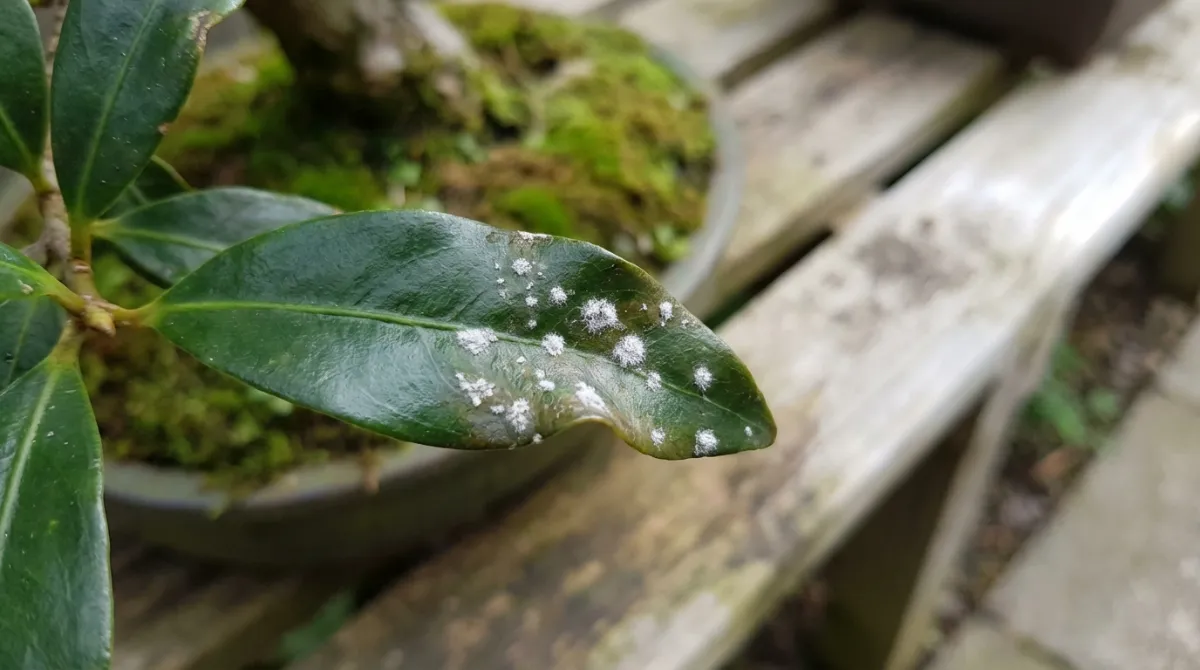
- Scale Insects: Often appearing as small, waxy bumps (brown, black, or white) on stems and leaves, scale insects suck sap, leading to stunted growth and sticky honeydew. Common on Lilly Pillies and Ficus species.
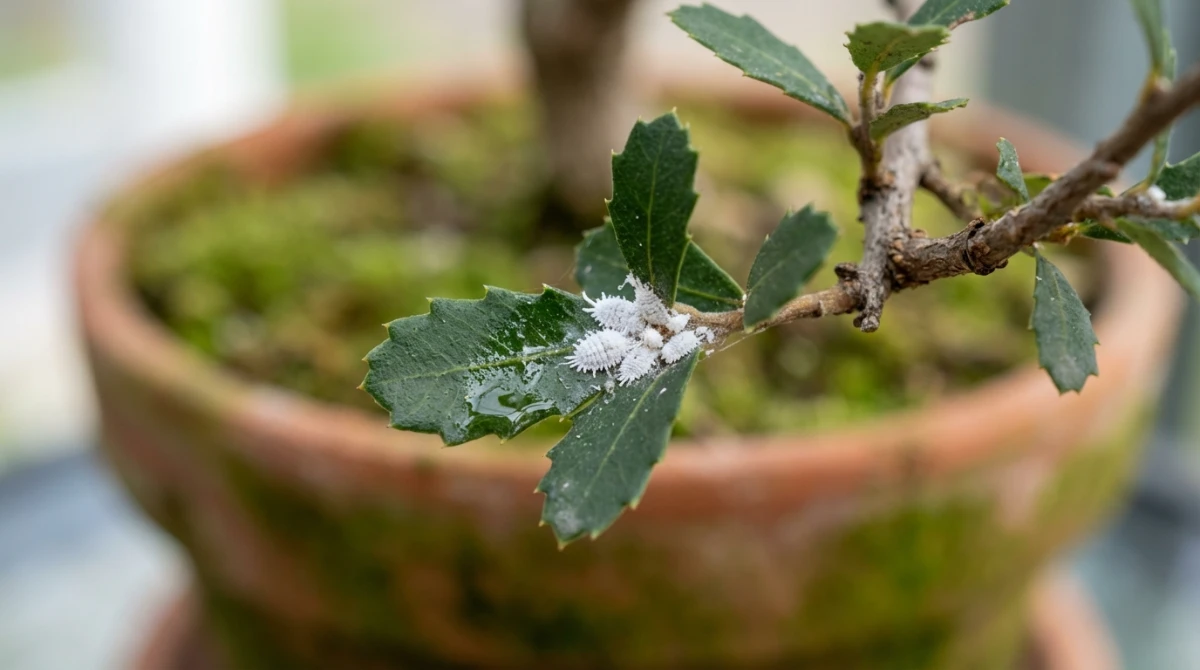
- Mealybugs: These fuzzy, white, cotton-like pests cluster in leaf axils and on undersides of leaves, also secreting honeydew. They are notorious for weakening plants and inviting sooty mould.
- Aphids: Small, pear-shaped insects (green, black, or red) that congregate on new growth, distorting leaves and stems. They’re particularly problematic in spring.
- Spider Mites: Tiny arachnids often indicated by fine webbing on foliage, especially in dry, hot conditions. They cause stippling (tiny dots) on leaves and can severely dehydrate a plant.
- Thrips: Slender, minute insects that damage leaves by rasping surfaces and sucking sap, leading to silvery patches and distorted growth.
- Caterpillars: While many native moths and butterflies are beautiful, their larvae can quickly defoliate a bonsai. Hand-picking is often effective for smaller infestations.
“Understanding the life cycle of common pests is crucial for effective bonsai pest control in Australia & NZ. Early detection can prevent widespread damage and reduce the need for harsh treatments.”
Identifying & Treating Specific Diseases
Diseases, primarily fungal, can quickly debilitate your bonsai. Look for these common symptoms:
- Fungal Leaf Spots: Various fungi can cause brown, black, or reddish spots on leaves. Remove affected leaves and ensure good air circulation. Fungicides may be necessary for severe cases.
- Powdery Mildew: A white, powdery coating on leaves and stems, common in humid conditions with poor air circulation. Often seen on species like Leptospermum.
- Rust: Characterized by orange or reddish-brown pustules on the undersides of leaves, with corresponding yellow spots on the upper surface.
- Root Rot: The most insidious disease, often caused by overwatering or poor drainage. Symptoms include wilting, yellowing leaves, and a soft, foul-smelling root ball. Prevention through proper watering is key.
- Sooty Mould: A black, velvety growth that isn’t directly harmful to the plant, but grows on honeydew excreted by sap-sucking insects, blocking light and hindering photosynthesis. Addressing the primary pest infestation is the cure.
Treating diseases often involves a combination of cultural practices (improving air flow, proper watering), pruning affected parts, and, in some instances, targeted fungicides. Always identify the specific disease before treatment.
Organic Pest Control Solutions
For those committed to natural and sustainable care, several organic methods offer effective bonsai pest control in Australia & NZ without harming beneficial insects or the environment.
- Neem Oil: A natural insecticide and fungicide derived from the neem tree. It disrupts insect feeding and growth cycles and can repel many common pests. Apply as a foliar spray, ensuring full coverage.
- Horticultural Oils: These petroleum- or vegetable-based oils smother soft-bodied pests like scale, mealybugs, and spider mites. Apply carefully to avoid damaging sensitive foliage.
- Insecticidal Soaps: Potassium salts of fatty acids that work by dissolving the protective outer layer of soft-bodied insects, leading to dehydration. Safe for most plants when used correctly.
- Manual Removal: For larger pests like caterpillars or small infestations of aphids and mealybugs, hand-picking or gently washing them off with a strong stream of water can be very effective.
- Diatomaceous Earth (DE): A fine powder made from fossilized diatoms. When applied to foliage and soil surface, it acts as a mechanical insecticide, dehydrating crawling insects. Ensure it’s food-grade for safety.
- Beneficial Insects: Encourage predators like ladybugs (for aphids), lacewings, and predatory mites. Create a garden environment that supports these natural allies.
Integrated Pest Management (IPM)
Integrated Pest Management (IPM) is a holistic, long-term approach to bonsai pest control in Australia & NZ that combines biological, cultural, physical, and chemical tools in a way that minimizes economic, health, and environmental risks. It’s about smart, strategic pest management.
Step 1: Monitor Regularly
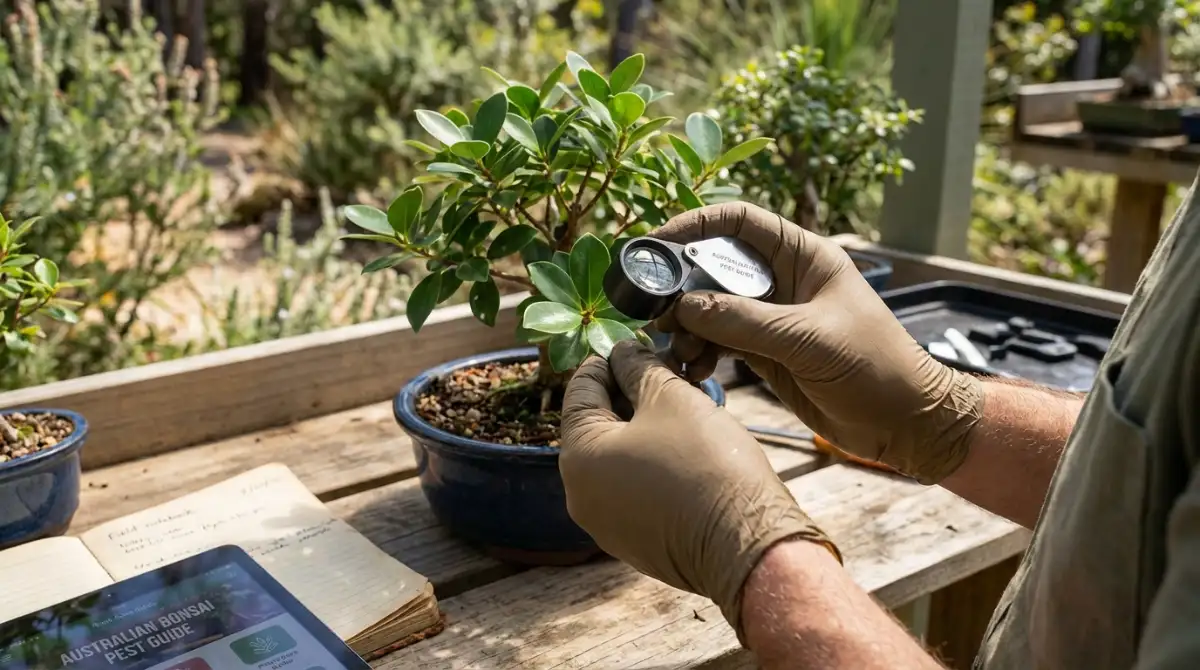
Regular, thorough inspection is the cornerstone of IPM. Check your bonsai daily or weekly, paying close attention to new growth, leaf undersides, and stem junctions. Look for any signs of pests (honeydew, webbing, actual insects) or disease symptoms (spots, discolouration, wilting).
Step 2: Correct Identification
Before taking any action, accurately identify the pest or disease. Knowing what you’re up against allows for the most targeted and effective treatment, preventing unnecessary use of chemicals or ineffective methods.
Step 3: Implement Cultural Controls
Maintain optimal growing conditions for your bonsai. A healthy, vigorous plant is naturally more resistant to pests and diseases. This includes proper watering, appropriate fertilization, adequate sunlight, and good air circulation around the foliage.
Step 4: Utilize Biological Controls
Introduce or encourage natural enemies of pests. For example, ladybugs are voracious eaters of aphids. Creating a diverse garden environment can attract these beneficial insects. This is a key part of sustainable bonsai pest control in Australia & NZ.
Step 5: Apply Targeted Treatments
If non-chemical methods aren’t sufficient, use the least toxic and most specific treatment available. This could be an organic spray like neem oil, insecticidal soap, or, as a last resort, a targeted conventional pesticide applied precisely where needed.
Step 6: Evaluate & Adjust
After applying a treatment, monitor its effectiveness. If the problem persists, reassess your approach. IPM is an ongoing cycle of observation, intervention, and adjustment.
Preventative Measures & Hygiene
Prevention is always better than cure. Adopting good horticultural hygiene practices significantly reduces the risk of pest and disease outbreaks.
Action Checklist for Healthy Bonsai:
- Regular Inspection: Make it a habit to inspect your bonsai thoroughly every week. Early detection is critical for easy management.
- Proper Watering & Drainage: Overwatering and poor drainage are primary causes of root rot. Ensure your soil mix is free-draining and water only when the topsoil feels dry.
- Good Air Circulation: Space your bonsai adequately to allow for air movement around the foliage. This discourages fungal diseases like powdery mildew.
- Sterilize Tools: Always clean and sterilize your pruning shears and other tools between plants, especially if you’re working on a diseased tree. Use rubbing alcohol or a bleach solution.
- Quarantine New Plants: Before introducing any new bonsai or nursery stock to your collection, isolate it for at least 2-4 weeks to ensure it’s free of pests and diseases.
- Remove Fallen Debris: Promptly clear away fallen leaves, dead branches, and weeds from around your bonsai pots. This eliminates potential hiding spots for pests and fungal spores.
- Maintain Plant Vigor: Provide your bonsai with appropriate light, nutrients, and protection from extreme weather. A strong, healthy plant is more resilient against attacks.
- Seasonal Pruning: Prune proactively to remove weak or overcrowded branches, which can be entry points for disease or create humid microclimates for pests.
Visual Identification of Pests & Symptoms
Becoming adept at visual identification is a key skill for any bonsai artist. Often, the earliest signs are subtle changes in foliage or growth habit.
- Discoloured Leaves: Yellowing (chlorosis), browning, or stippling can indicate sap-sucking pests or nutrient deficiencies.
- Distorted Growth: Twisted or curled leaves, stunted new shoots, or unusually small leaves often point to aphids or thrips.
- Sticky Residue (Honeydew): A clear, sugary substance on leaves or beneath the plant is a tell-tale sign of scale, mealybugs, or aphids. This often leads to sooty mould.
- Webbing: Fine, silken threads, especially on leaf undersides or branch junctions, are a strong indicator of spider mites.
- Actual Pests: Learn to recognize the common pests in their various life stages. Many are tiny but become visible with a keen eye or a magnifying glass.
- Fungal Growths: Look for powdery coatings, rust-coloured pustules, or distinct spots on leaves, stems, or even soil.
Local Resources for Treatment
When facing a particularly stubborn pest or an unidentified disease, don’t hesitate to seek local expert advice. Your regional resources are invaluable for effective bonsai pest control in Australia & NZ.
- Local Nurseries & Garden Centers: Staff at specialized nurseries often have extensive knowledge of regional pests and diseases and can recommend appropriate products.
- Bonsai Clubs & Societies: Join a local bonsai club. Experienced members are a wealth of knowledge and can offer practical, hands-on advice for your specific situation.
- Agricultural Departments/Extension Services: Government agricultural departments or university extension services (e.g., Department of Primary Industries in Australia, MPI in NZ) often provide diagnostic services and information on pest and disease management relevant to your area.
- Online Forums & Communities: Reputable online bonsai communities focused on Australian and New Zealand native species can offer peer support and advice.
Frequently Asked Questions (FAQ)
What are the most common pests for Australian native bonsai?
For Australian native bonsai, common pests include scale insects, mealybugs, aphids, spider mites, and various caterpillars. These pests thrive in our diverse climates and can quickly weaken a bonsai if not managed.
How often should I inspect my bonsai for pests and diseases?
Regular inspection is key. Aim for at least a weekly thorough check, paying close attention to new growth, leaf undersides, and branch crotches. Daily quick scans are even better for early detection.
Is neem oil safe for all native bonsai species?
Neem oil is generally safe for most native bonsai species when used as directed. However, always perform a patch test on a small, inconspicuous area first, especially on new or sensitive plants, to ensure no adverse reaction occurs.
What is IPM and why is it important for bonsai?
IPM stands for Integrated Pest Management. It’s a comprehensive, sustainable approach combining various methods (biological, cultural, physical, chemical) to control pests while minimizing risks. For bonsai, IPM is crucial for maintaining plant health long-term, reducing chemical exposure, and preserving beneficial insects in your garden.
How can I prevent root rot in my bonsai?
Preventing root rot primarily involves correct watering and excellent drainage. Use a fast-draining bonsai soil mix, avoid overwatering (only water when the topsoil feels dry), ensure your pot has adequate drainage holes, and consider pot size relative to the tree’s needs.
References & Sources
- Australian Native Plants Society (Australia). (n.d.). Pests and Diseases of Native Plants.
- Department of Primary Industries and Regional Development (Western Australia). (n.d.). Diagnosing plant problems.
- Royal Botanic Gardens Victoria. (n.d.). Plant diseases and pests.
- Bonsai Empire. (n.d.). Bonsai Tree Diseases, Pests & How To Treat Them.