Watering & Feeding in Southern Climates
Master bonsai watering and feeding in southern climates. This expert guide covers evaporation, native species care, regional techniques, fertilization schedules, and visual cues for optimal health. Grow thriving southern climate bonsai!
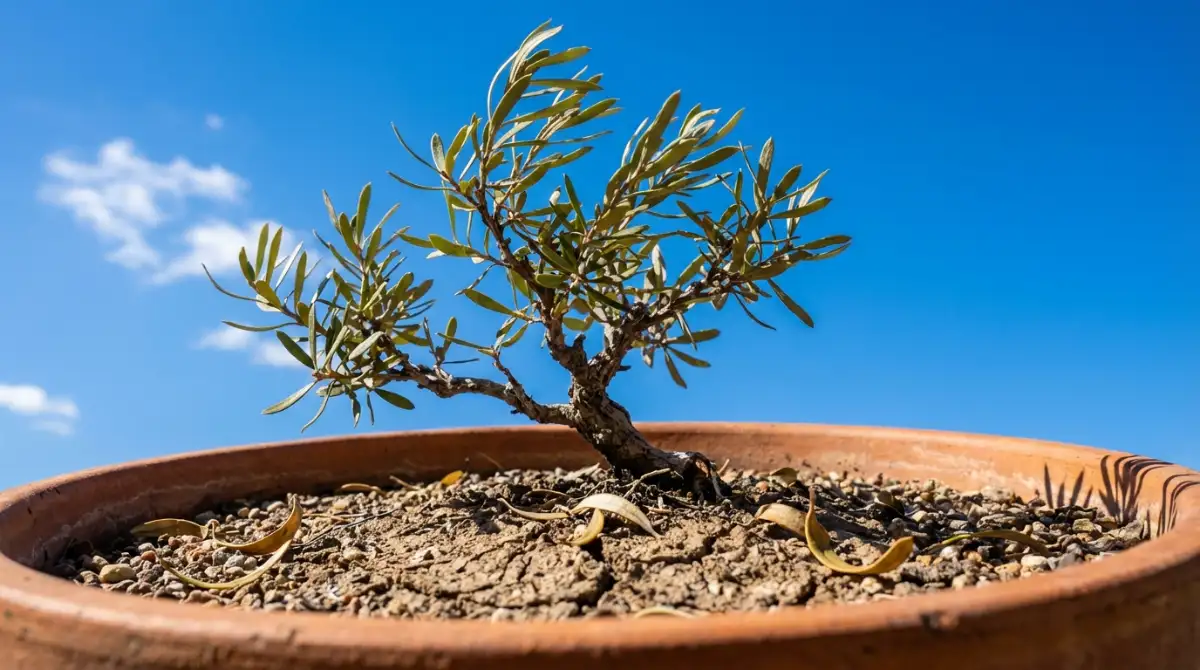
bonzai.co.nz
What You Will Learn
Master bonsai watering and feeding in southern climates. This expert guide covers evaporation, native species care, regional techniques, fertilization schedules, and visual cues for optimal health. Grow thriving southern climate bonsai!
Watering & Feeding in Southern Climates: A Master Guide for Native Bonsai
Unlock the secrets to thriving bonsai in the Southern Hemisphere with our expert guide to optimal watering and feeding strategies. Master the nuances of bonsai watering in southern climates and cultivate healthy, vibrant native trees.
Understanding Evaporation Rates in Southern Climates
For bonsai enthusiasts in the Southern Hemisphere, understanding evaporation rates is paramount. Our unique climate—characterized by intense UV, often strong winds, and distinct seasonal variations compared to the Northern Hemisphere—significantly impacts how quickly your bonsai’s soil dries. This directly influences your bonsai watering southern climate schedule.
Factors such as ambient temperature, humidity levels, wind exposure, and the specific composition of your growing medium all play a critical role. A hot, windy summer day can deplete soil moisture in hours, while a cool, humid winter week might see soil remain damp for days. Recognizing these microclimates within your own garden is the first step to truly mastering your watering regimen.
Drought Resistance & Native Species Adaptations
Many Australian and New Zealand native species have evolved incredible adaptations to survive periods of drought, a common feature of their natural habitats. Species like certain Eucalypts, Acacias, and Leptospermums often possess leathery leaves, deep root systems, or efficient water storage mechanisms. While these traits make them robust, it doesn’t mean they can be neglected in a bonsai pot.
Instead, their drought resistance informs a slightly different approach to bonsai watering in southern climates. These species may tolerate drying out more thoroughly between waterings than, say, a traditional Japanese maple. However, prolonged dryness in a shallow bonsai pot can still be fatal. The key is to leverage their natural resilience by allowing the soil to approach dryness, but never to become bone-dry for extended periods, especially during active growth.
“Understanding a native species’ natural habitat is the bedrock of its successful cultivation as bonsai in a southern climate.”
Optimal Watering Techniques by Region
Effective watering is more than just applying water; it’s a technique refined by observation and regional climate. Here’s a step-by-step guide tailored for southern climates:
Step 1: Assessing Soil Moisture Accurately
- Finger Test: The classic method. Insert your finger about 1-2 cm into the soil. If it feels dry, it’s time to water.
- Chopstick Method: Insert a thin wooden chopstick into the soil for 10-15 minutes. Pull it out; if it’s damp or has soil particles clinging, wait. If dry, water.
- Weight Test: Lift your pot. Over time, you’ll learn to gauge the weight difference between a freshly watered pot and a dry one. This is excellent for smaller trees.
Step 2: The Soak and Drain Method
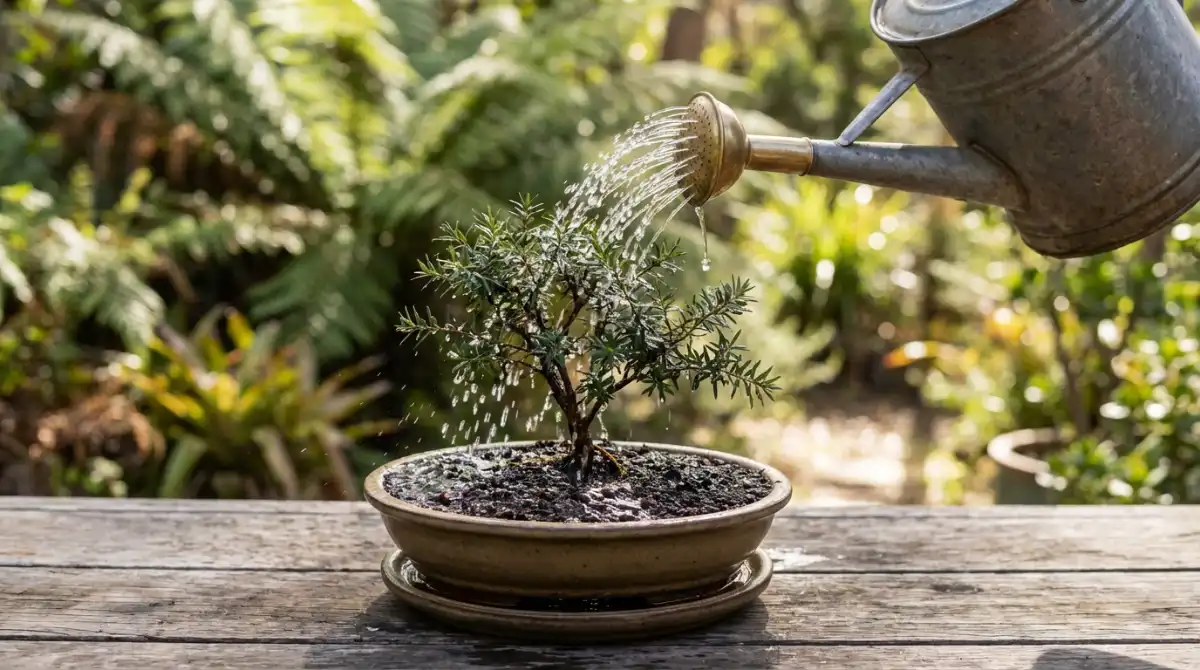
When watering, aim for thorough saturation. Use a watering can with a fine rose to prevent disturbing the soil. Water until you see water freely draining from the bottom holes. Wait a few minutes, then water again. This ensures the entire root ball is hydrated and helps flush out accumulated salts.
Step 3: Regional Adjustments for Southern Climates
- Arid Inland Regions (e.g., Central Australia): Expect very high evaporation. Daily watering, sometimes twice a day during summer, may be necessary. Use inorganic-heavy soil mixes.
- Coastal & Temperate Regions (e.g., Sydney, Auckland, Perth): Moderate evaporation. Watering might be daily in summer, every 2-3 days in spring/autumn, and weekly in winter, depending on rainfall and sun.
- Humid Subtropical/Tropical Regions (e.g., Brisbane, Northern NZ): Higher humidity reduces surface evaporation, but intense rainfall can lead to waterlogged conditions. Ensure excellent drainage and monitor rainfall carefully.
Fertilizer Types & Schedules for Native Bonsai
Feeding native bonsai in southern climates requires a nuanced approach, acknowledging their natural preferences. Unlike many traditional bonsai species, some Australian and NZ natives, particularly those from low-nutrient soils, can be sensitive to high phosphorus levels.
Understanding NPK Ratios & Native Needs
- Nitrogen (N): For leafy growth.
- Phosphorus (P): For roots, flowers, and fruit. Use low-P fertilizers for phosphorus-sensitive natives (e.g., Proteaceae family, many Grevilleas, Banksias).
- Potassium (K): For overall plant health, disease resistance.
Types of Fertilizer:
- Organic Fertilizers: Often slower release and gentler, promoting good soil biology. Examples include blood and bone (use cautiously for P-sensitive), fish emulsion, or specific native plant formulations.
- Inorganic/Chemical Fertilizers: Faster acting, allowing for precise control. Choose a balanced formula or one specifically low in phosphorus if needed. Always dilute to half or quarter strength for bonsai.
Seasonal Feeding Schedules for Southern Climates
- Spring (September – November): This is the primary growth season. Begin feeding when buds swell and new growth emerges. Apply fertilizer regularly (e.g., every 2-4 weeks for liquid, monthly for solid).
- Summer (December – February): Continue feeding, but reduce frequency or strength during extreme heatwaves to avoid burning roots.
- Autumn (March – May): Reduce feeding as growth slows, helping the tree harden off for winter. A final light feed can be given early autumn.
- Winter (June – August): Stop feeding most deciduous and temperate natives. Evergreens or sub-tropical natives in warmer regions might receive very infrequent, diluted feeds.
Micronutrients & Cultivating Optimal Soil Health
Beyond NPK, micronutrients like iron, manganese, zinc, and boron are vital for plant health. Deficiencies can lead to stunted growth, discoloured leaves, and overall weakness. Ensuring proper soil health is the best way to make these available.
A healthy bonsai soil mix for southern climate bonsai should provide good drainage, aeration, and some water retention, while also supporting a thriving microbial ecosystem. Incorporating elements like akadama, pumice, lava rock, and a small percentage of organic matter (like composted bark) creates an ideal environment. Regular repotting every 1-3 years also refreshes the soil and allows for root pruning, promoting vigour.
Signs of Over/Under Watering: Diagnosis & Response
Learning to read your tree is crucial for effective bonsai watering in southern climates. Your tree will communicate its needs through its foliage and growth habits.
Signs of Under Watering:
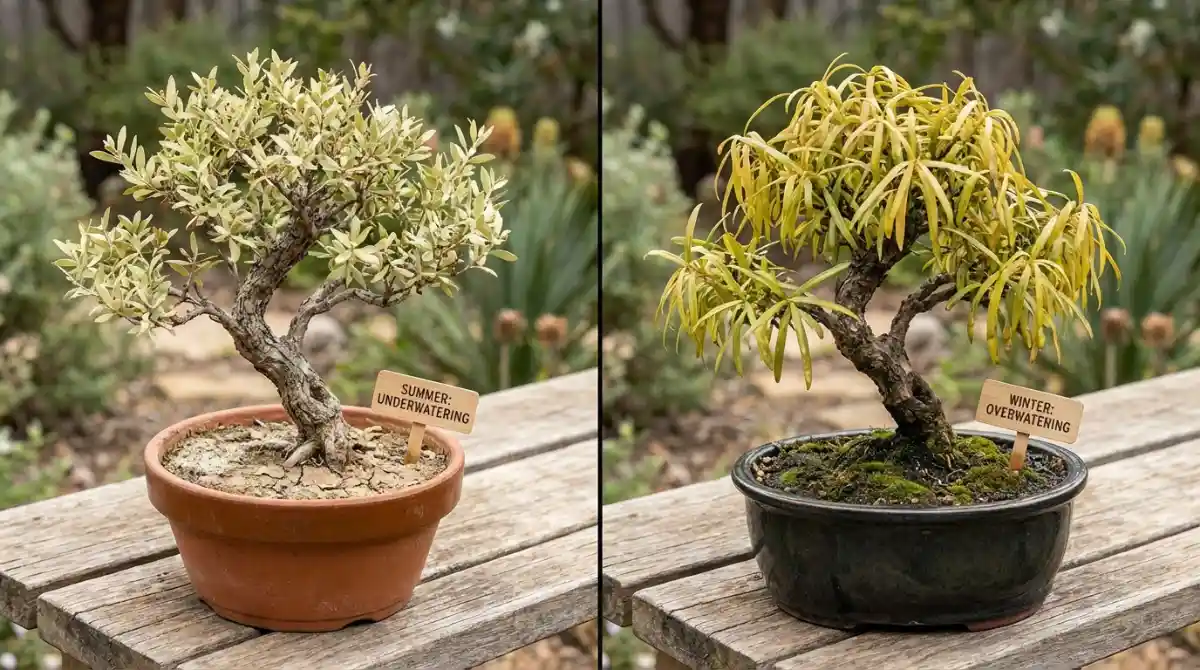
- Wilting Leaves: Often the first sign, leaves may droop or curl.
- Crispy, Dry Leaves: Especially at the edges or tips, turning brown and brittle.
- Stunted Growth: New shoots are small or absent.
- Pot Feels Light: A clear indication if you’re using the weight test.
- Soil Pulls Away from Pot Edges: Severe dryness.
Response: Submerge the entire pot in a bucket of water for 20-30 minutes until bubbles stop, indicating full saturation. Then, improve your watering frequency.
Signs of Over Watering:
- Yellowing Leaves: Often appearing uniformly yellow, sometimes with green veins (chlorosis).
- Mushy or Drooping Leaves: Unlike wilting from dryness, these feel soft.
- Blackened Branches/Roots: A sign of root rot, often with a foul smell.
- Algae or Moss on Soil Surface: Indicates consistently damp conditions.
- No Drainage: Water sits on the soil surface or drains extremely slowly.
Response: Stop watering immediately. Move the tree to a brighter, airier spot. If severe, gently remove it from the pot, check for root rot (trim affected roots), and repot into fresh, dry soil with excellent drainage. Adjust future watering to allow the soil to dry out more between applications.
Visual Guide: Soil Moisture & Plant Response
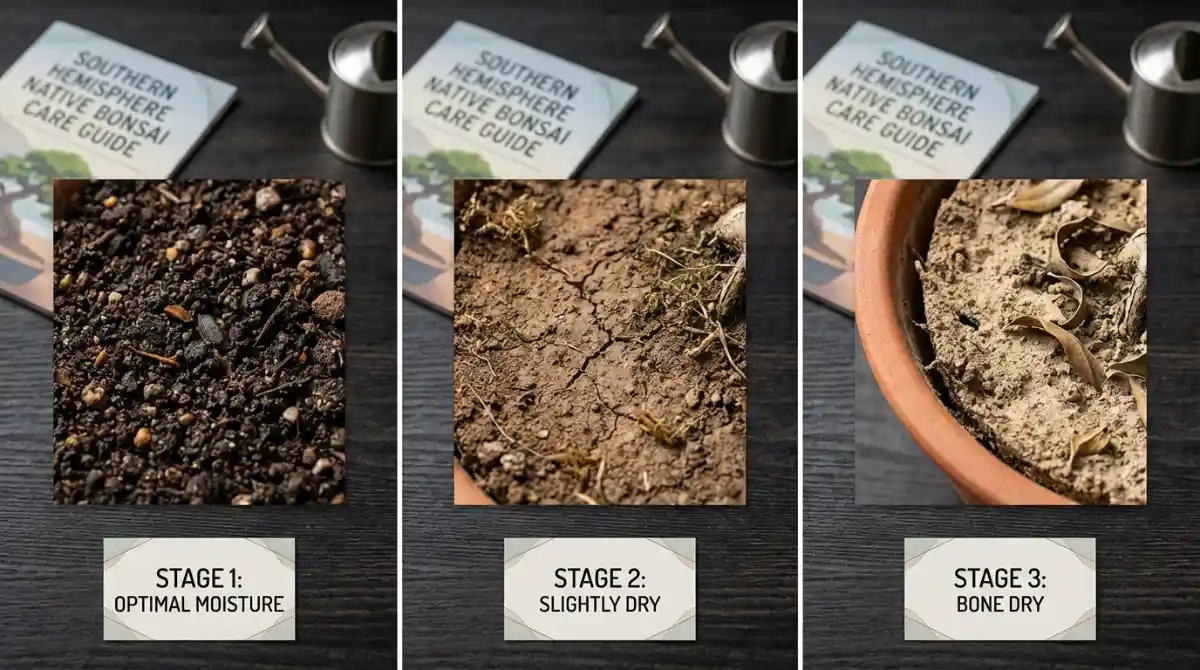
A picture is worth a thousand words, especially when it comes to visual cues for your bonsai watering southern climate routine. Always observe your soil’s surface and your tree’s overall appearance daily.
- Optimal Moisture: The topsoil appears slightly darker, crumbly, but not shiny wet. Leaves are turgid, vibrant green, and held upright. The pot has a moderate weight.
- Drying Out: Topsoil lightens in colour, perhaps a fine dry crust forms. Leaves might lose a tiny bit of their turgidity, especially in the afternoon. Pot feels noticeably lighter.
- Bone Dry: Soil is significantly lighter in colour, often pulling away from the pot edges. Leaves are visibly wilted, possibly starting to crisp. Pot feels very light.
- Saturated/Waterlogged: Soil is dark, often shiny, possibly with standing water or green algae. Leaves are yellowing, soft, or dropping. Pot feels excessively heavy.
Action Checklist: Daily Moisture Check & Seasonal Adjustments
Incorporate this quick checklist into your daily routine to ensure your bonsai watering in southern climates is always spot on:
- Daily Morning Check: Feel the topsoil (1-2 cm deep). Is it dry?
- Lift & Feel: Is the pot noticeably lighter than yesterday morning after watering?
- Observe Foliage: Are leaves vibrant and turgid, or showing any signs of stress (wilting, yellowing)?
- Check Weather Forecast: Anticipate hot, windy days (increase watering) or cooler, rainy periods (decrease watering).
- Seasonal Adjustment:
- Summer: Increase frequency, potentially twice daily.
- Autumn: Gradually decrease frequency and fertilizer strength.
- Winter: Water sparingly, only when soil is significantly dry.
- Spring: Increase frequency and begin fertilizing as new growth appears.
- Drainage Check: Ensure water is always freely flowing from the bottom of the pot.
Conclusion
Mastering bonsai watering in southern climates and precise feeding schedules is an ongoing journey of observation and adaptation. By understanding evaporation rates, respecting the drought resistance of native species, and applying informed techniques, you can cultivate a thriving collection of Southern Hemisphere bonsai. Remember, consistency and careful attention to your tree’s unique signals are your greatest tools.
Frequently Asked Questions (FAQ)
How often should I water my bonsai in a Southern climate?
Watering frequency in southern climates varies greatly by season, region, species, and pot size. During hot, windy summers, daily or even twice-daily watering may be necessary. In cooler winter months, weekly watering might suffice. Always check the soil moisture with your finger or a chopstick before watering, rather than sticking to a rigid schedule.
Are native Australian bonsai phosphorus sensitive?
Yes, many native Australian species, especially those in the Proteaceae family (e.g., Banksias, Grevilleas, Hakeas), are highly sensitive to phosphorus. Their root systems are adapted to low-P soils, and high levels can cause toxicity. For these species, always use a fertilizer specifically formulated for native plants, which will have a very low or zero phosphorus content.
What are the best soil mixes for southern climate bonsai?
The best soil mixes prioritize excellent drainage and aeration. A common mix for southern climate bonsai includes inorganic components like akadama, pumice, and lava rock, often with a small percentage of organic material like composted bark. For native species, ensure the mix promotes quick drainage and avoid heavy organic soils that retain too much moisture, which can lead to root rot in humid conditions.
When should I fertilize my bonsai in Australia or New Zealand?
In Southern Hemisphere climates, the primary feeding season is during active growth, typically from early spring (September) through to late autumn (May). Reduce or stop fertilizing during the peak of summer heat and completely during the cooler winter months (June-August) when growth slows significantly. Always use a diluted solution, especially for liquid fertilizers.
References & Further Reading
- Australian Native Plants Society (Australia). “Growing Australian Plants.” ANPSA.org.au.
- Bonsai Empire. “Bonsai Watering Guide.” BonsaiEmpire.com.
- New Zealand Native Plant Growers Handbook. “Nutrient Requirements for Native Species.” NZNPG.org.nz.
- National Bonsai and Penjing Collection of Australia. “Caring for Australian Bonsai.” NationalBonsai.com.au.
- Ryan, W. “Bonsai Care in a Changing Climate.” Southern Hemisphere Bonsai Journal, Vol. 15, Issue 2 (2023).