Effective Bonsai Pest Control: Identification & Treatment
Maintaining a beautiful bonsai tree requires dedicated care, and a key part of this is effective bonsai pest control. Learning to identify and treat common pests and diseases early can save your beloved miniature tree. Our guide will help you keep your bonsai thriving, ensuring its beauty for years to come.
Table of Contents
Identifying Common Bonsai Pests and Diseases
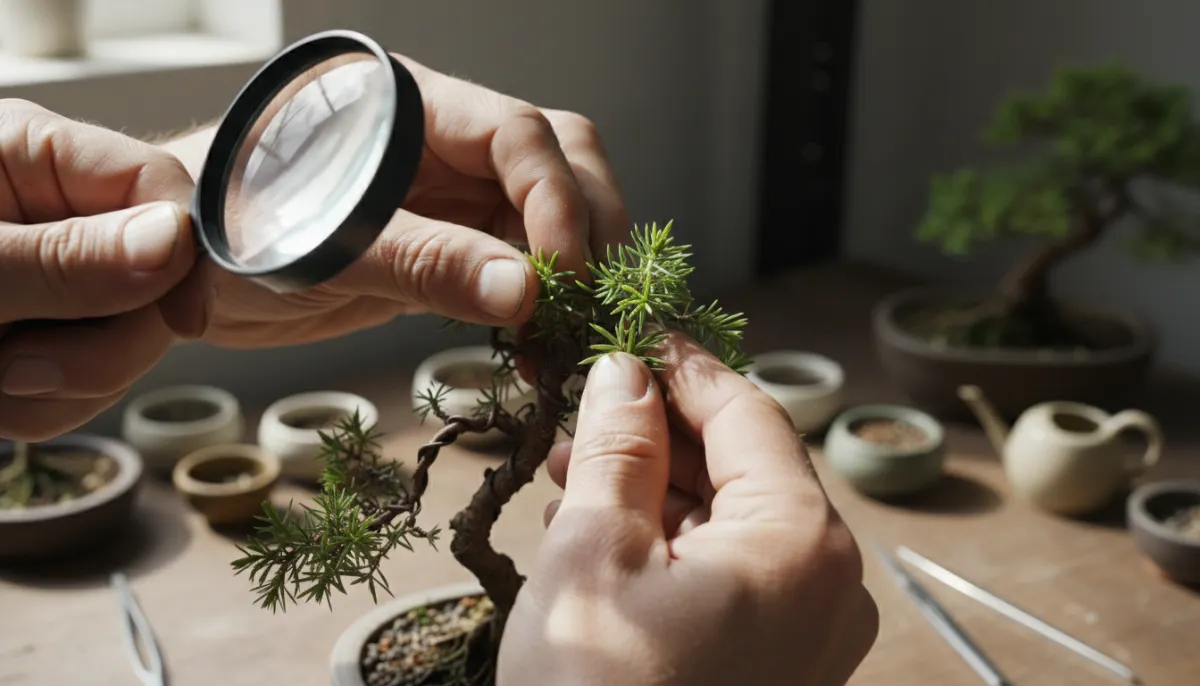
The first step in any successful bonsai pest control strategy is knowing what you’re up against. Pests and diseases can weaken your tree, stunt its growth, and even lead to its demise if not addressed promptly. Regular inspection is crucial for early detection. For those specifically nurturing indigenous species, a targeted resource like Common Pests of NZ Native Bonsai: Identification & Organic Solutions can provide invaluable insights.
Common Insect Pests
Various tiny invaders can target your bonsai. Look closely at the leaves, stems, and even the soil. Early signs often include sticky residue, tiny white specks, or distorted foliage.
Aphids
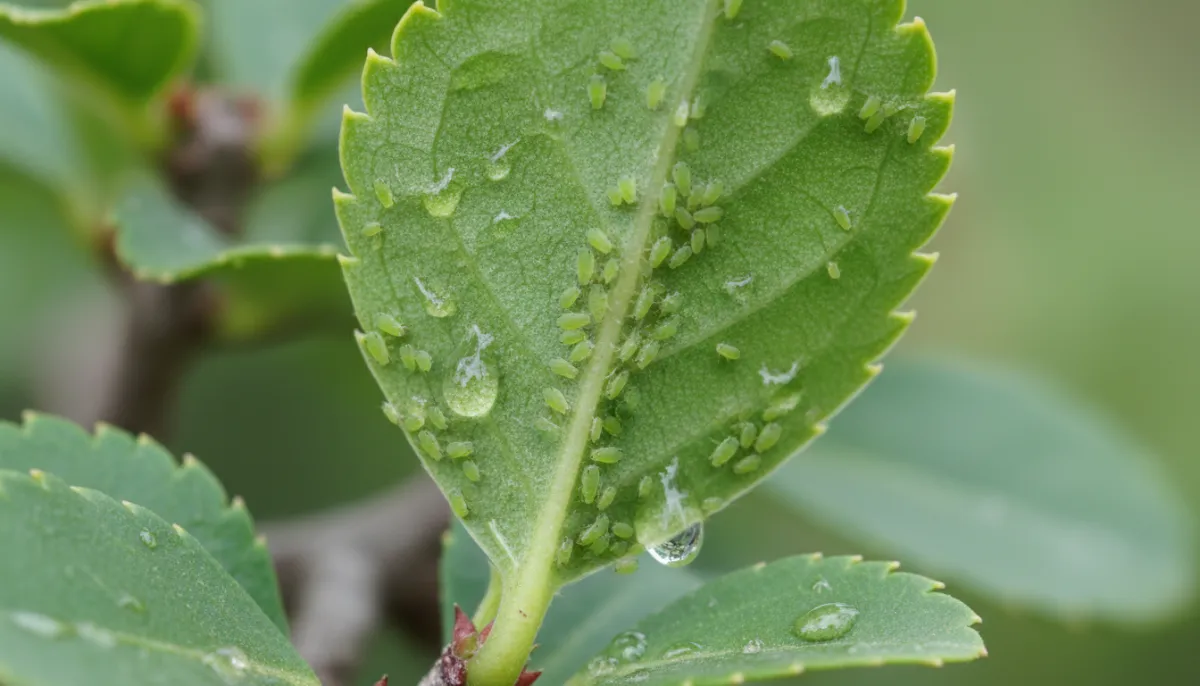
These small, soft-bodied insects come in green, black, or brown. They cluster on new growth and the undersides of leaves, sucking sap and causing leaves to curl and distort. They also excrete a sticky substance called honeydew, which can lead to sooty mold.
Spider Mites
Extremely tiny and difficult to see with the naked eye, spider mites thrive in dry conditions. Signs of their presence include fine webbing on leaves and branches, and a stippled or bronzed appearance of foliage. They also suck sap, weakening the plant.
Scale Insects
Scale insects appear as small, stationary bumps on stems and leaves. They can be brown, black, or white and have a protective shell. Like aphids, they feed on sap and produce honeydew, often leading to sooty mold growth.
Mealybugs
These pests look like small, white, cottony masses found in leaf axils, on stems, and under leaves. They too are sap-suckers and secrete honeydew, making them another common threat to bonsai health. Their waxy coating makes them somewhat resistant to treatments.
Common Bonsai Diseases
Beyond insects, fungal and bacterial issues can also plague bonsai. Understanding the symptoms is key to effective bonsai pest control when it comes to diseases.
Powdery Mildew
This fungal disease manifests as white, powdery patches on leaves and stems. It thrives in high humidity and poor air circulation. While rarely fatal, it weakens the tree and distorts new growth.
Root Rot
Often caused by overwatering or poor drainage, root rot is a serious fungal condition. Symptoms include wilting leaves, yellowing foliage, and a general decline in plant health, even if the soil appears moist. The roots will be soft and mushy with a foul odor.
Effective Treatment Strategies for Bonsai Pests
Once you’ve identified the problem, it’s time to act. Treatment options for effective bonsai pest control range from gentle, natural methods to more potent chemical solutions. Always start with the least invasive approach. For a deeper dive into managing complex or persistent issues, explore Advanced Bonsai Pest and Disease Management.
Natural Approaches
Many common bonsai pests can be managed without harsh chemicals, especially if caught early. These methods are safer for your plant and the environment.
Manual Removal and Water Blasts
For small infestations of aphids or mealybugs, you can physically remove them. Use tweezers or a cotton swab dipped in rubbing alcohol for mealybugs. A strong jet of water can dislodge many pests from the leaves and stems. Repeat this daily until pests are gone.
Insecticidal Soap
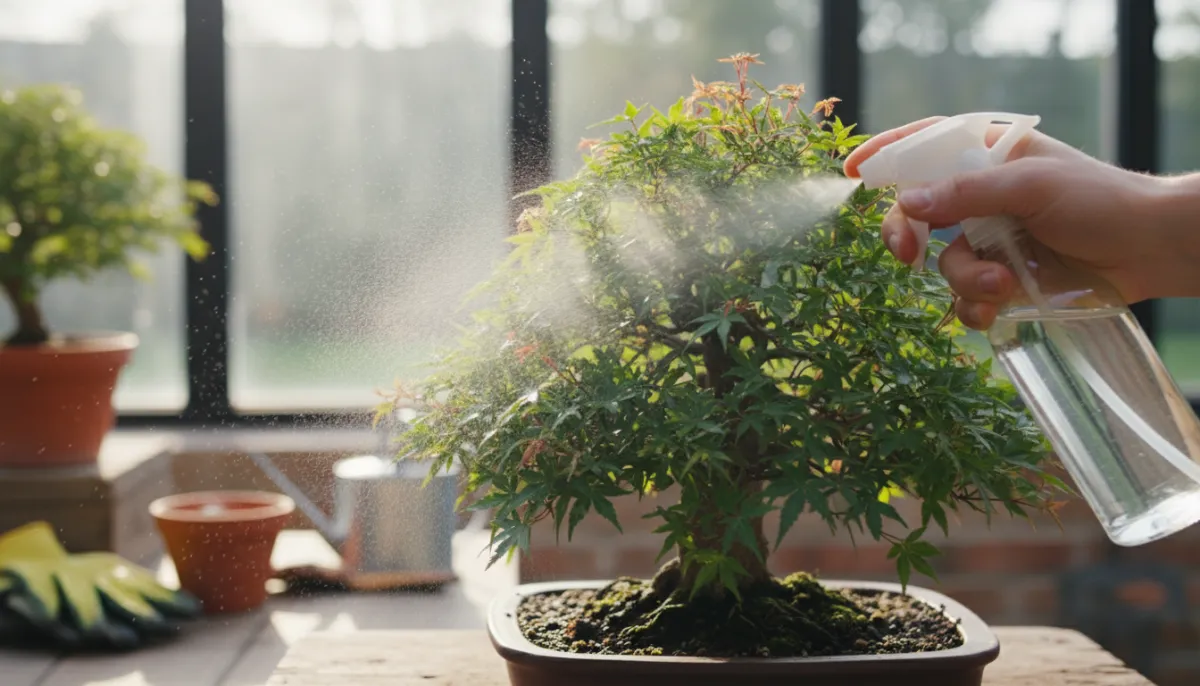
Available commercially or made at home (a few drops of mild dish soap in water), insecticidal soap works by disrupting the cell membranes of soft-bodied insects. Spray thoroughly, ensuring coverage of the undersides of leaves. Repeat every 5-7 days for several weeks.
Neem Oil
Derived from the neem tree, this natural pesticide and fungicide disrupts the feeding and reproduction of many pests, including aphids, spider mites, and scale. Mix according to package directions and spray thoroughly. It’s also effective against some fungal issues like powdery mildew.
Chemical Solutions (Use with Caution)
For severe or persistent infestations, chemical pesticides may be necessary. Always read labels carefully and follow instructions precisely. Consider the specific pest and choose a targeted product. Always apply in a well-ventilated area, and wear protective gear. Learn more about pest control methods on Wikipedia.
Systemic Insecticides
These products are absorbed by the plant and move through its tissues, making the plant toxic to feeding insects. They are effective against sap-sucking pests but can affect beneficial insects too. Use sparingly.
Fungicides
Specific fungicides are available for diseases like powdery mildew. Ensure you select one appropriate for your bonsai species and the particular fungal issue. Address underlying causes, like humidity or drainage, alongside treatment.
Preventative Care for a Thriving Bonsai: Strategies for 2026
The best bonsai pest control is prevention. A strong, healthy bonsai is less susceptible to pests and diseases. Implementing good cultural practices is your best defense for 2026 and beyond.
Optimal Growing Conditions
- Proper Watering: Water thoroughly when the topsoil feels dry, allowing excess water to drain. The right bonsai soil mix is crucial to prevent constant soggy soil, which leads to root rot. Furthermore, understanding Bonsai Repotting Techniques & Root Pruning is essential for long-term root health. For effective styling and maintenance, it’s also crucial to consider Choosing the Best Bonsai Tools for Styling.
- Regular Fertilization: Providing essential nutrients is key. Follow a suitable Bonsai Fertilization Schedule to support vigorous growth and strengthen resistance to pests.
- Adequate Light: Most bonsai require bright, indirect light. Insufficient light can weaken the tree.
- Good Air Circulation: Ensure your bonsai isn’t in a stagnant corner. Good airflow reduces humidity around leaves, discouraging fungal diseases.
- Appropriate Humidity: While some humidity is good, excessive levels without adequate air circulation can encourage fungal issues.
- Seasonal Protection: Depending on your climate and bonsai species, providing protection from harsh conditions, especially during winter, is vital. Learn more about winterizing bonsai trees to protect them from cold, and consult our Seasonal Care Calendar for NZ Bonsai: A Month-by-Month Guide for a month-by-month guide to year-round care.
By diligently applying these preventative measures and being vigilant about early detection, you can significantly reduce the risk of pests and diseases, ensuring your bonsai remains a healthy and beautiful specimen for years to come. For comprehensive guidance on these foundational aspects, explore our resources on Bonsai Soil, Fertilization & Nutrition. The journey of bonsai care is continuous and rewarding. While this guide provides general principles, specific species like those covered in our Cherry Blossom Bonsai Care guide may require unique considerations, including seasonal adjustments like Spring Care for Bonsai SH, and advanced techniques like Grafting Techniques for Bonsai Development. Additionally, mastering Choosing the Best Bonsai Tools for Styling is key to achieving desired shapes and maintaining tree health.
For those looking to deepen their understanding, connect with fellow enthusiasts, or discover upcoming workshops, exploring the broader Bonsai Community & Events can be an invaluable resource for continuous learning and shared passion.