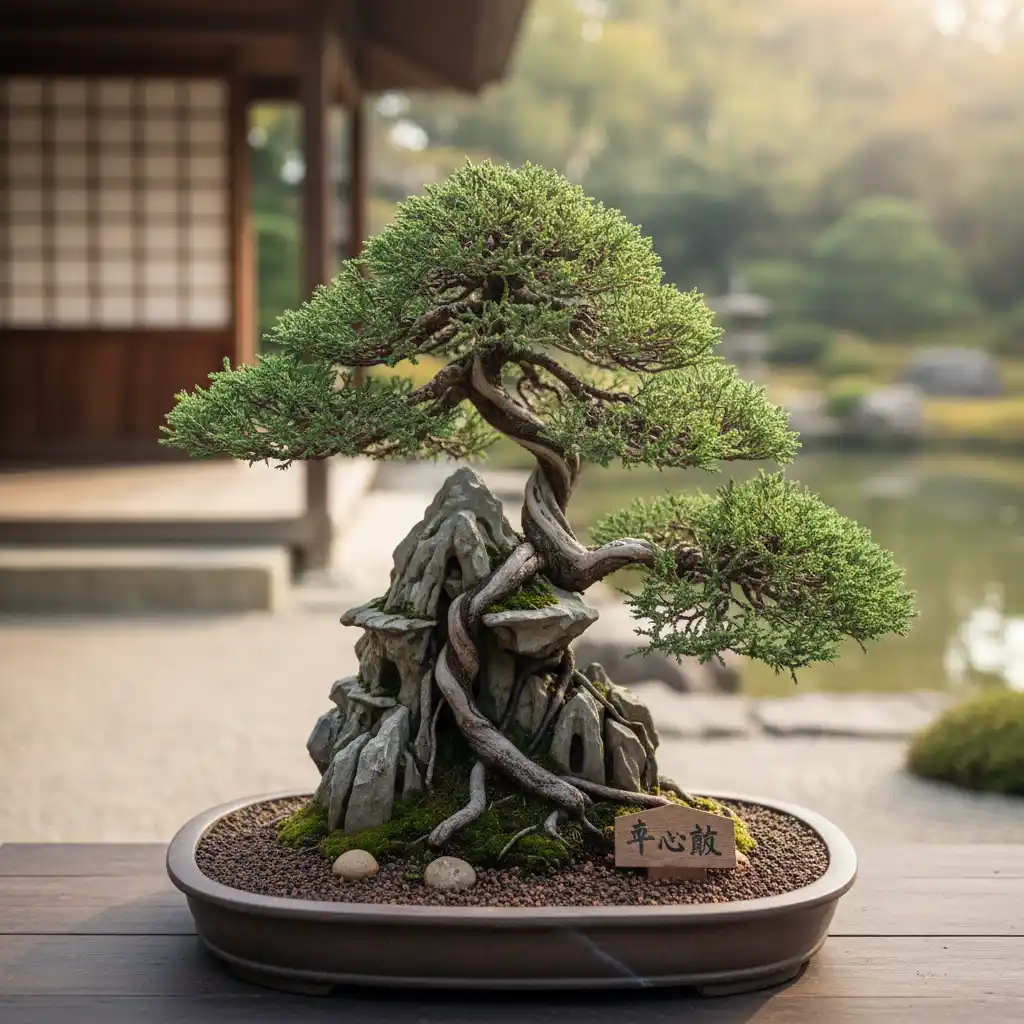
Bonsai Care & Maintenance: Your Ultimate Guide
Discover the secrets to nurturing your miniature trees with our essential guide to proper bonsai care. Learn foundational techniques and advanced tips for healthy, vibrant bonsai.
For those interested in how to take care of bonsai plants, it involves the meticulous art of cultivating miniature trees in containers, mimicking the beauty of full-sized trees in nature. It encompasses specific practices such as watering, pruning, repotting, and shaping, all crucial for the tree’s health, longevity, and aesthetic form.
Understanding Bonsai Care Essentials
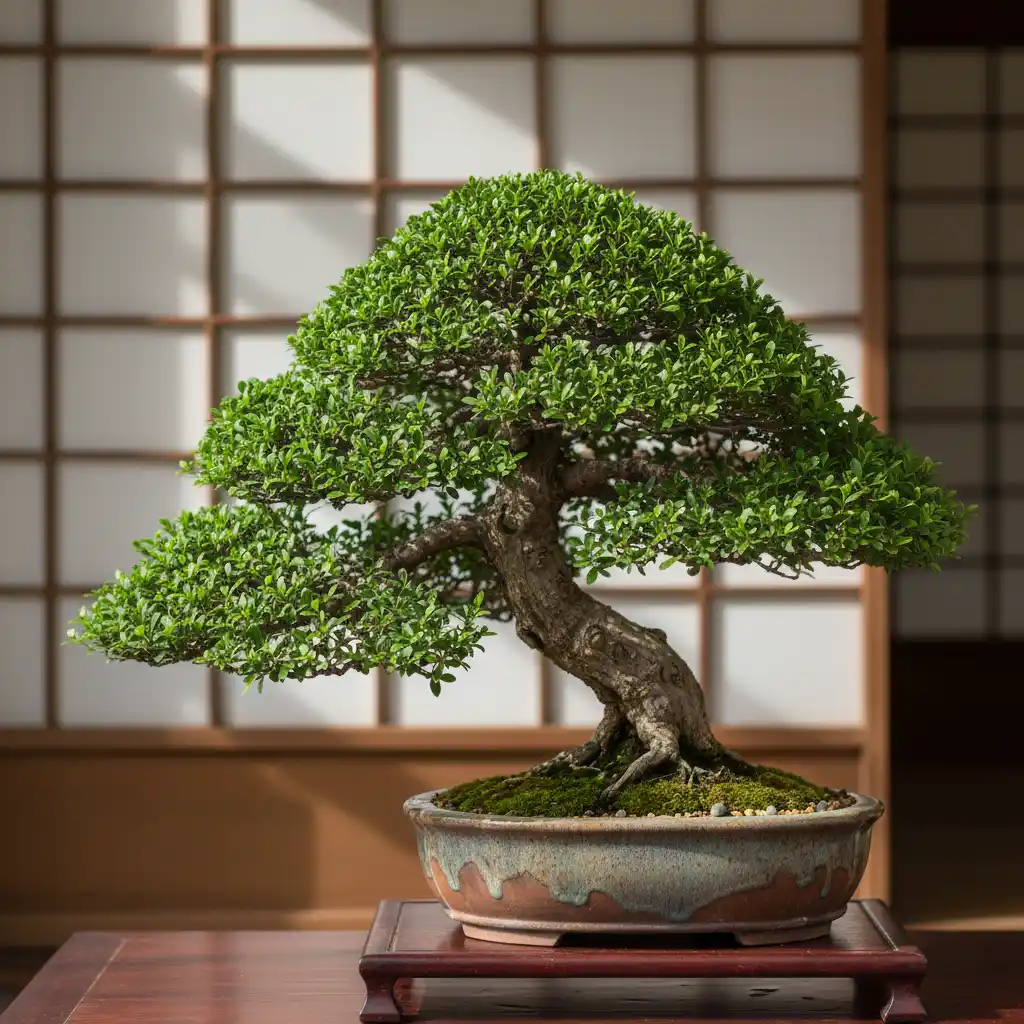
Bonsai, the art of growing miniature trees, is a deeply rewarding hobby. It combines horticulture with aesthetic principles. Proper bonsai care is crucial for the health and beauty of your trees. This guide will help you understand the core aspects of keeping your bonsai thriving.
Starting with the basics ensures a strong foundation. Even experienced enthusiasts benefit from revisiting these fundamentals. Mastery of bonsai care comes with patience and observation.
The Philosophy of Bonsai
Bonsai is more than just growing a small tree; it’s a living art form. It symbolizes harmony, balance, and patience. Each tree tells a story, shaped over years through careful training. Understanding this philosophy enriches your connection with your bonsai.
It teaches us to appreciate nature in a miniature scale. The goal is to create an illusion of a mature tree in its natural environment. This takes dedication and consistent effort.
Choosing the Right Tree for Beginners
Selecting the right species is vital for successful bonsai care, especially for newcomers. Some trees are more forgiving than others. Popular choices include Ficus, Chinese Elm, and Juniper.
Consider your local climate and the conditions you can provide. Research the specific needs of your chosen tree. This initial step sets you up for long-term success. Always buy from a reputable nursery to ensure a healthy start.
Watering and Fertilizing Schedules
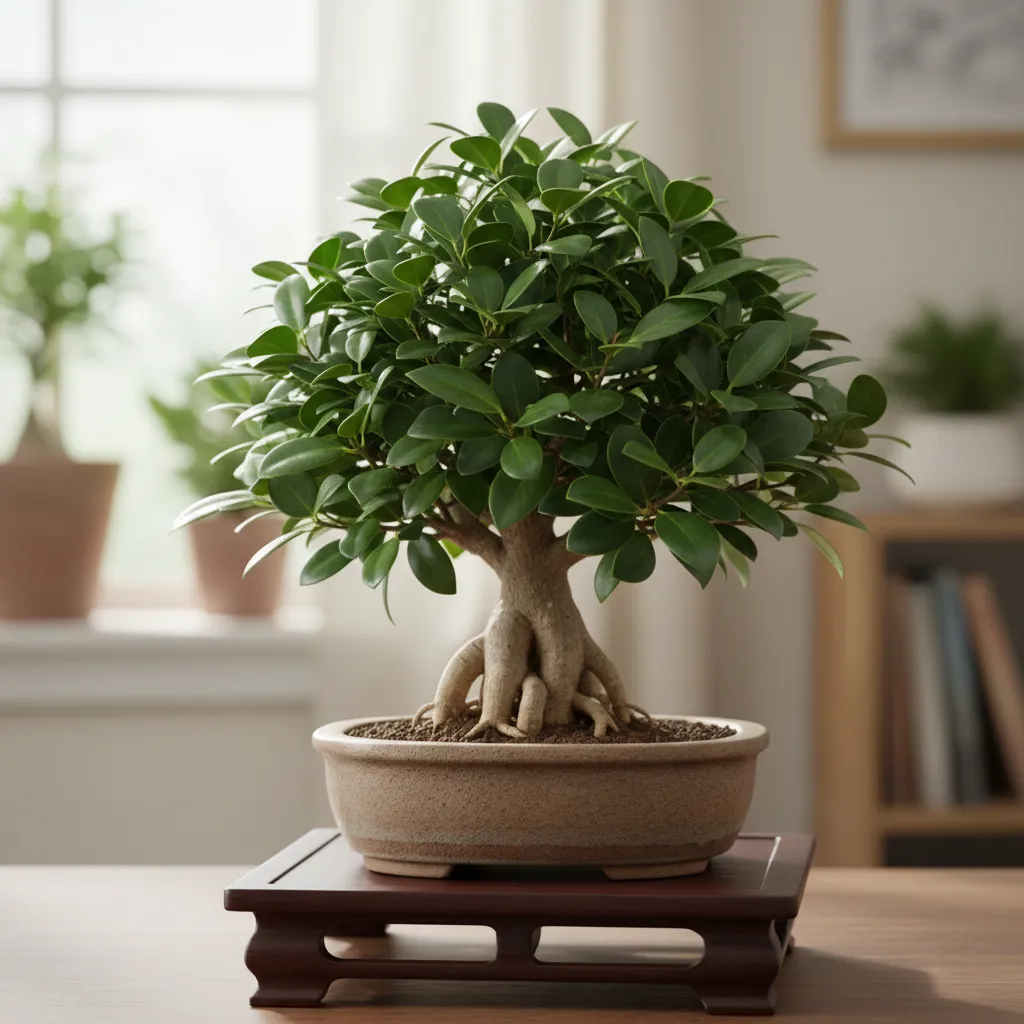
Water and nutrients are the lifeblood of your bonsai. Getting these two elements right is fundamental to effective bonsai care. Too much or too little can quickly lead to problems. Consistency and attention to detail are key.
Understanding your tree’s specific needs based on species, pot size, and climate is essential. Avoid a one-size-fits-all approach.
The Art of Watering
Bonsai trees in small pots dry out faster than garden trees. Check the soil moisture daily. Water thoroughly when the topsoil feels dry. Water until it drains from the bottom of the pot.
Use a watering can with a fine rose to prevent soil erosion. Avoid watering on a fixed schedule. Instead, water based on the tree’s needs and environmental conditions. Overwatering can be just as harmful as underwatering, leading to root rot.
Essential Nutrients: Fertilizing Your Bonsai
Regular fertilization provides the nutrients your bonsai needs to thrive. Since bonsai are restricted to small pots, they quickly deplete soil nutrients. The right fertilizer regimen is a critical aspect of dedicated bonsai care.
Here are key considerations for fertilizing:
- Type of Fertilizer: Use a balanced liquid or slow-release granular fertilizer formulated for trees.
- Application Frequency: Fertilize during the growing season (spring through early autumn). Reduce or stop entirely during winter dormancy.
- Dosage: Follow package instructions carefully. It’s often better to under-fertilize slightly than to over-fertilize, which can burn roots.
- Observe Your Tree: Yellowing leaves or stunted growth might indicate nutrient deficiencies, or sometimes, too much fertilizer.
Always water your bonsai before applying liquid fertilizer. This prevents root burn and ensures even nutrient distribution.
Pest and Disease Management
Even with the best bonsai care, pests and diseases can sometimes appear. Early detection is key to preventing widespread damage. Regularly inspect your trees for any signs of trouble.
Healthy trees are more resistant to infestations. Provide optimal growing conditions to build your tree’s natural defenses.
Identifying Common Pests
Several common pests target bonsai trees. Look out for aphids, spider mites, scale insects, and mealybugs. They often hide on the undersides of leaves or in branch crevices.
Symptoms include sticky residue (honeydew), webbing, distorted leaves, or visible insects. A magnifying glass can be helpful for close inspection. Prompt action is crucial once pests are identified.
Effective Disease Prevention and Treatment
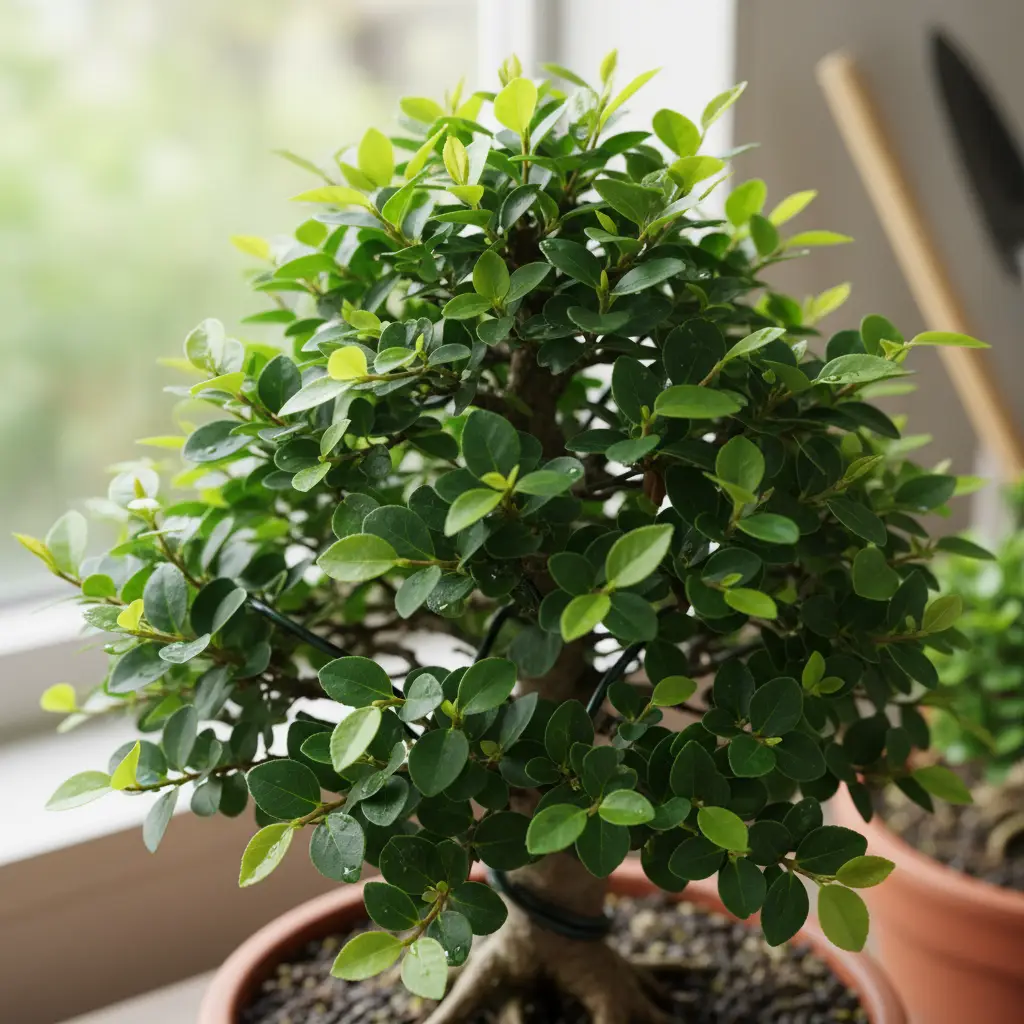
Bonsai trees can suffer from fungal infections, bacterial blights, and root rot. Good air circulation, proper watering, and sterile tools help prevent most diseases.
Treat fungal issues with fungicides. For bacterial problems, prune affected areas with sterilized tools. Root rot is often a result of overwatering; repotting into fresh, well-draining soil and adjusting watering habits is necessary. For more in-depth information on plant diseases, refer to sources like Wikipedia’s plant disease section.
Seasonal Care Routines
Bonsai trees respond to the changing seasons, just like their full-sized counterparts. Adapting your bonsai care routine throughout the year is essential for their long-term health and vitality. Each season presents unique challenges and opportunities.
Understanding these seasonal shifts helps you provide the best possible environment for your tree. This proactive approach supports robust growth and prevents stress.
Spring: Growth and Re-potting
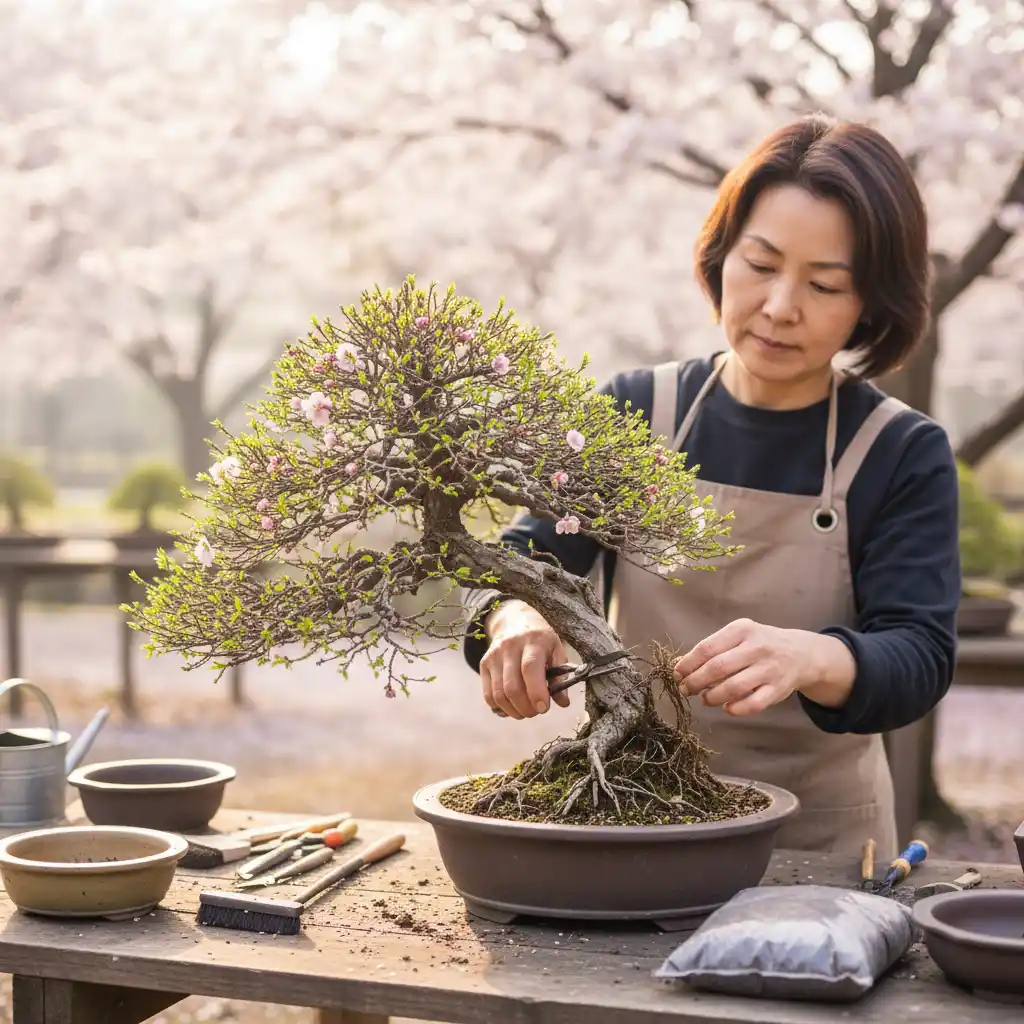
Spring is a period of rapid growth. This is the ideal time for repotting, pruning, and major styling work. New buds emerge, signaling the start of the growing season. Ensure your bonsai has adequate light and water.
Repotting replenishes nutrients and allows for root pruning, which keeps the tree compact. After repotting, protect the tree from strong winds and intense sun for a few weeks.
Summer: Protection from Heat
Summer brings intense heat and sunlight. Your bonsai will need more frequent watering, sometimes multiple times a day. Protect heat-sensitive species from direct afternoon sun.
Ensure good air circulation to prevent fungal issues. Continue fertilizing, but monitor the tree for signs of stress. This is a crucial time for maintaining hydration.
Autumn: Preparation for Winter
As temperatures drop, growth slows. Reduce watering frequency and taper off fertilization. Deciduous trees will begin to change color, a beautiful display of the season.
This is a good time for light pruning and defoliation for certain species. Prepare your outdoor bonsai for winter by gradually exposing them to cooler temperatures.
Winter: Dormancy and Protection
Winter is a period of dormancy for most outdoor bonsai. Protect them from freezing temperatures. Place them in a cold frame, unheated garage, or bury pots in the ground.
Indoor bonsai still need light but will require less water and no fertilizer. Monitor soil moisture carefully to prevent drying out. Ensure they are away from heating vents that can dry the air excessively.
Advanced Bonsai Care Techniques
Once you’ve mastered the basics of bonsai care, you might be ready to explore more advanced techniques. These methods allow for greater artistic control and can significantly enhance your tree’s development and aesthetic appeal. They require practice and a keen eye.
These techniques help achieve the desired form and maintain the miniature scale of your living art.
Pruning and Shaping
Pruning is fundamental to bonsai. It includes structural pruning (removing large branches) and maintenance pruning (trimming new growth). Regular pruning creates the desired shape and encourages ramification (branching).
Always use sharp, clean tools. Understand the growth habits of your specific tree species before making major cuts. This careful shaping is a cornerstone of effective bonsai care.
Wiring Your Bonsai
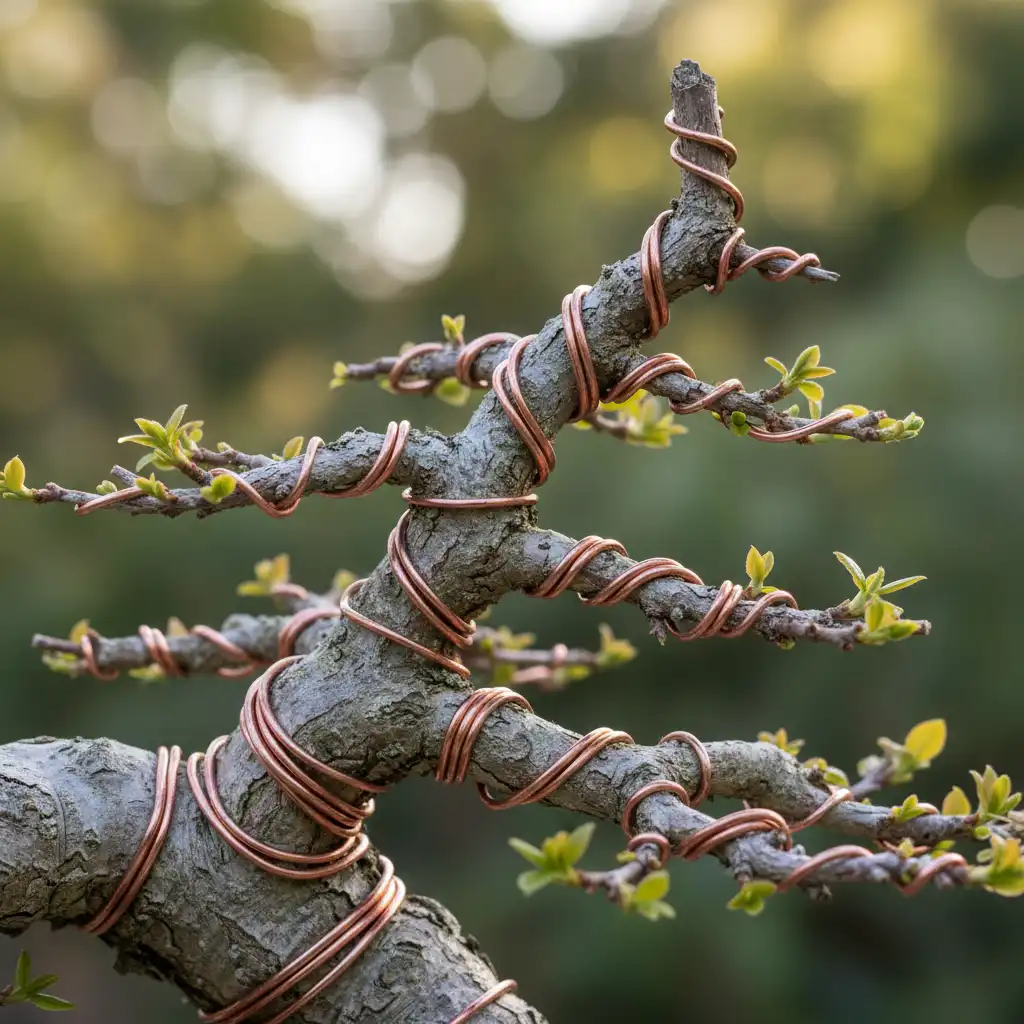
Wiring is a technique used to bend and shape branches and trunks. Copper or anodized aluminum wires are gently wrapped around branches. This allows you to position them as desired.
Leave the wire on just long enough for the branch to set its new position, usually a few months. Remove wire carefully to avoid scarring the bark. Practice is key to mastering this artful technique without harming your tree.
Repotting for Health and Vigor
Repotting every 1-5 years, depending on the species and age, is essential. It prevents root binding, refreshes the soil, and allows for root pruning. This process is crucial for long-term bonsai care.
The timing is critical, usually early spring before new growth. Remove old soil, prune roots, and place in fresh, well-draining bonsai soil. This invigorates the tree and ensures it continues to absorb nutrients effectively.
Looking Ahead: Continuous Bonsai Care
The world of bonsai is ever-evolving, with new insights and techniques emerging regularly. As we look ahead, the focus remains on sustainable practices and understanding climate impacts on our miniature trees. Continuous learning is a hallmark of dedicated bonsai care.
Embrace new technologies for monitoring soil moisture or light, and connect with the global bonsai community for shared knowledge. Adapting our methods to environmental changes will be paramount for future success.
The journey with bonsai is a lifelong one, filled with learning, patience, and immense satisfaction. By applying consistent, thoughtful bonsai care, your trees will not only survive but truly flourish for years to come. Enjoy the tranquil beauty they bring to your life.