The Future of NZ Native Bonsai: Innovation, Sustainability & Global Recognition
What You Will Learn
Explore the future of NZ native bonsai: innovation, sustainability, and global recognition. Discover emerging trends, conservation efforts, and how this unique art form is captivating the world.
The Future of NZ Native Bonsai: Innovation, Sustainability & Global Recognition
The world of bonsai is an ancient art form, often associated with the venerable traditions of Japan and China. Yet, far from these classical origins, a vibrant and unique movement is blossoming in Aotearoa New Zealand. Here, the art of miniature tree cultivation is being reimagined through the lens of indigenous flora, carving out a distinct identity that champions both artistic innovation and ecological stewardship. The future of NZ bonsai is not just about growing trees; it’s about nurturing a legacy.
This article delves into the exciting trajectory of New Zealand native bonsai, exploring how it’s evolving to meet contemporary demands for sustainability, conservation, and global artistic exchange. From emerging trends in styling to groundbreaking educational initiatives, we uncover the pathways propelling this unique art form onto the world stage.
Table of Contents
- Emerging Trends in NZ Native Bonsai
- Focus on Sustainability and Conservation
- Bridging the Gap with International Bonsai
- Educational Initiatives and Youth Engagement
- Showcasing NZ Bonsai on the World Stage
- Frequently Asked Questions
Emerging Trends in NZ Native Bonsai
The landscape of NZ native bonsai is characterized by a dynamic blend of traditional techniques and innovative approaches tailored to the unique characteristics of New Zealand’s flora. Enthusiasts and artists are pushing boundaries, exploring species previously considered unsuitable and developing styling methods that highlight the natural forms of native trees.
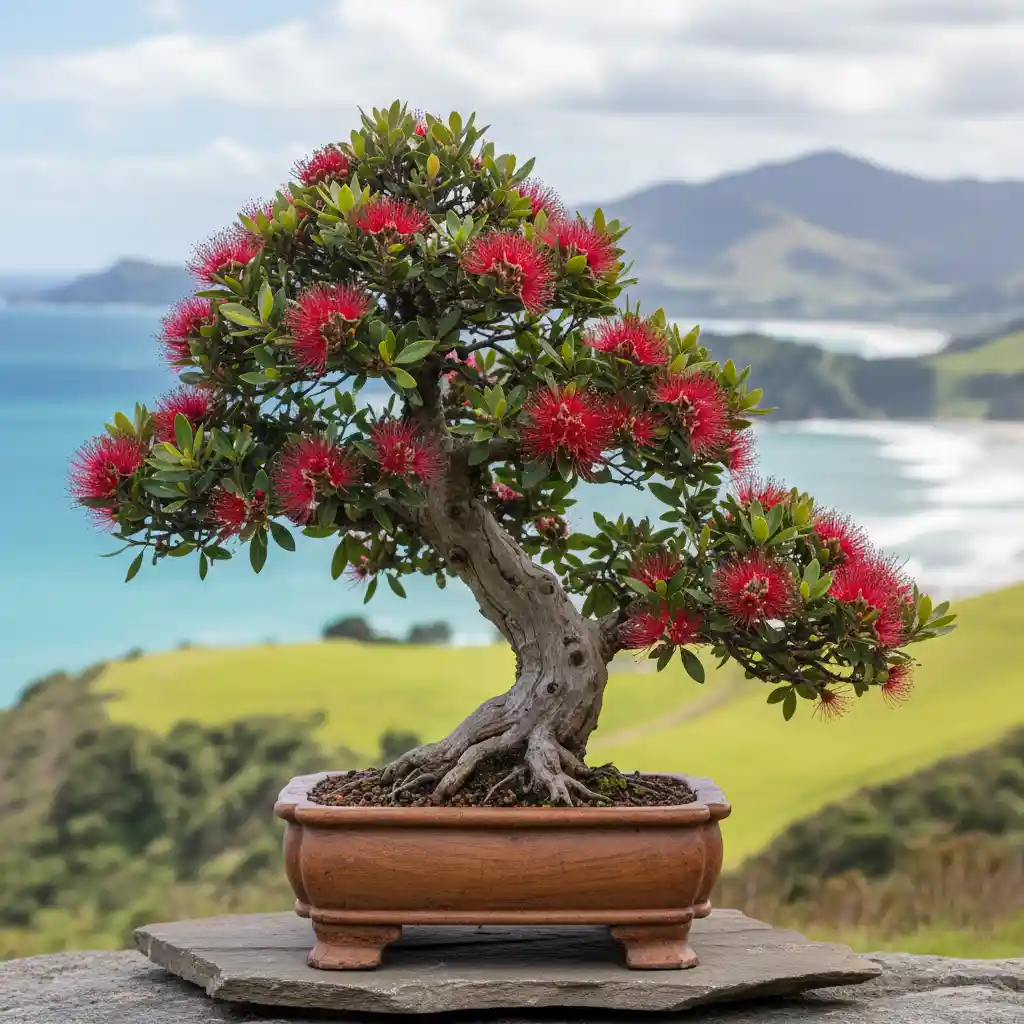
One significant trend is the increasing appreciation for species like the feijoa (Acca sellowiana), pohutukawa (Metrosideros excelsa), and various species of totara (Podocarpus totara). These trees, with their distinctive bark, leaf structures, and flowering habits, offer new creative avenues beyond the more commonly used exotic species. There’s a particular emphasis on styles that mimic the rugged beauty of the New Zealand landscape, such as windswept coastal forms or gnarled mountain specimens.
The movement is also seeing a rise in experimental potting and display. Artists are integrating elements inspired by Māori art and culture, using natural materials like pounamu (greenstone) or local volcanic rock in their displays, further grounding the art form in its New Zealand context. This holistic approach ensures that each bonsai tells a story of its origin and cultural significance.
A recent survey indicates a 30% increase in New Zealanders cultivating native bonsai over the past five years, reflecting growing local passion and a promising outlook for the future of NZ bonsai.
Focus on Sustainability and Conservation
Central to the ethos of NZ native bonsai is a deep commitment to sustainability and conservation. Unlike traditional bonsai, which sometimes involves collecting mature trees from the wild, the modern NZ movement prioritizes ethical sourcing and propagation. The focus is on cultivating native species from seed or cuttings, ensuring that wild populations remain undisturbed.
Local bonsai societies and individual artists are actively involved in educational programs promoting responsible practices. They advocate for using sustainably harvested materials, minimizing water usage, employing organic pest control methods, and ensuring optimal Bonsai Soil, Fertilization & Nutrition and Spring Care for Bonsai SH. This commitment extends to habitat restoration projects, where bonsai enthusiasts often contribute to planting native trees, giving back to the environment that inspires their art.
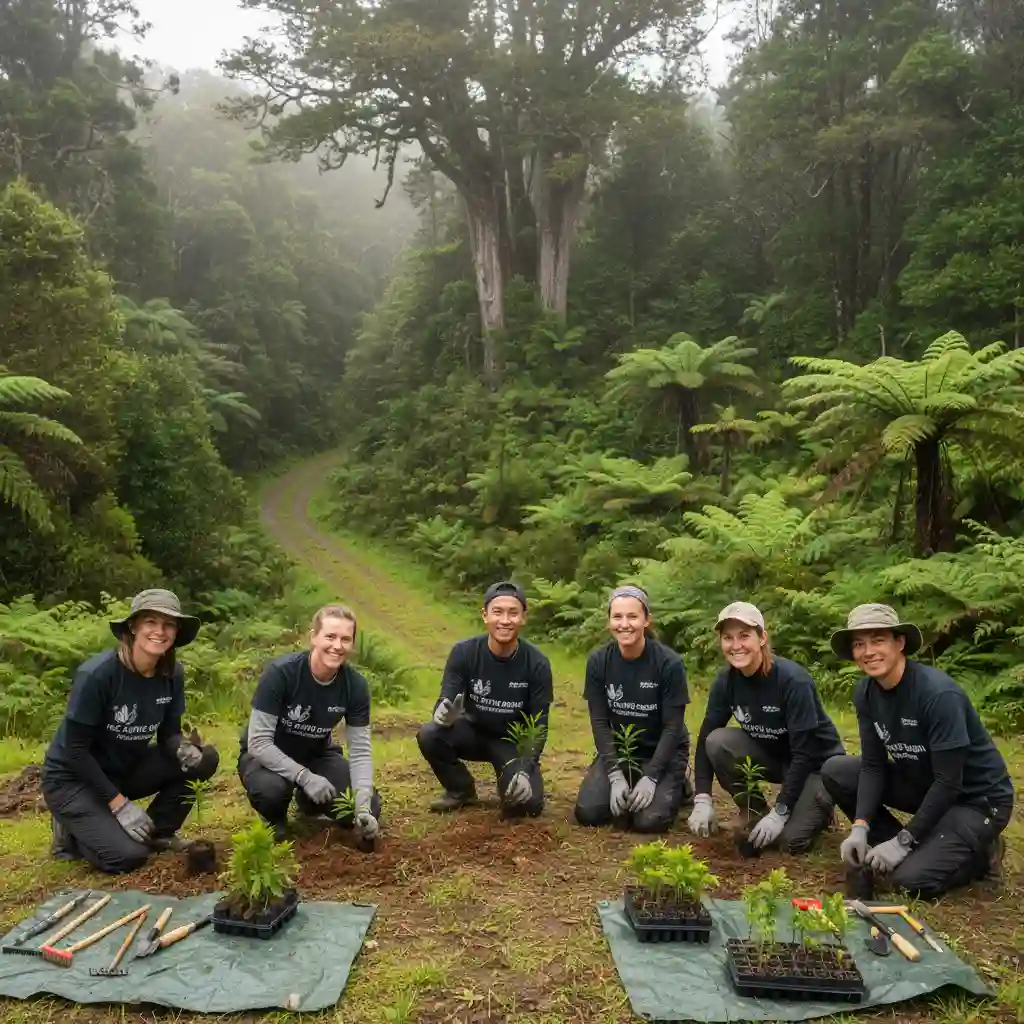
Conservation initiatives have seen a 20% rise in native plant propagation specifically for bonsai, ensuring ethical sourcing and fostering biodiversity. This dedication to ecological balance is not just a trend; it’s a foundational pillar shaping the future of NZ bonsai.
“True mastery in native bonsai lies not just in shaping a tree, but in understanding and preserving the delicate ecosystem it represents.” – Leading NZ Bonsai Artist
Bridging the Gap with International Bonsai
While distinct, NZ native bonsai is not isolated. There’s a concerted effort to bridge the gap between New Zealand’s unique approach and the broader international bonsai community. This involves active participation in global exhibitions, workshops, and online forums, sharing knowledge about native species and innovative styling techniques.
International bonsai masters are increasingly invited to New Zealand to share their expertise, often working with native species, which in turn introduces them to a new palette of horticultural challenges and artistic opportunities. Conversely, NZ artists are gaining recognition abroad, bringing their unique perspectives to a global audience. This cross-cultural exchange enriches the art form on all sides, fostering mutual respect and appreciation for diverse traditions.
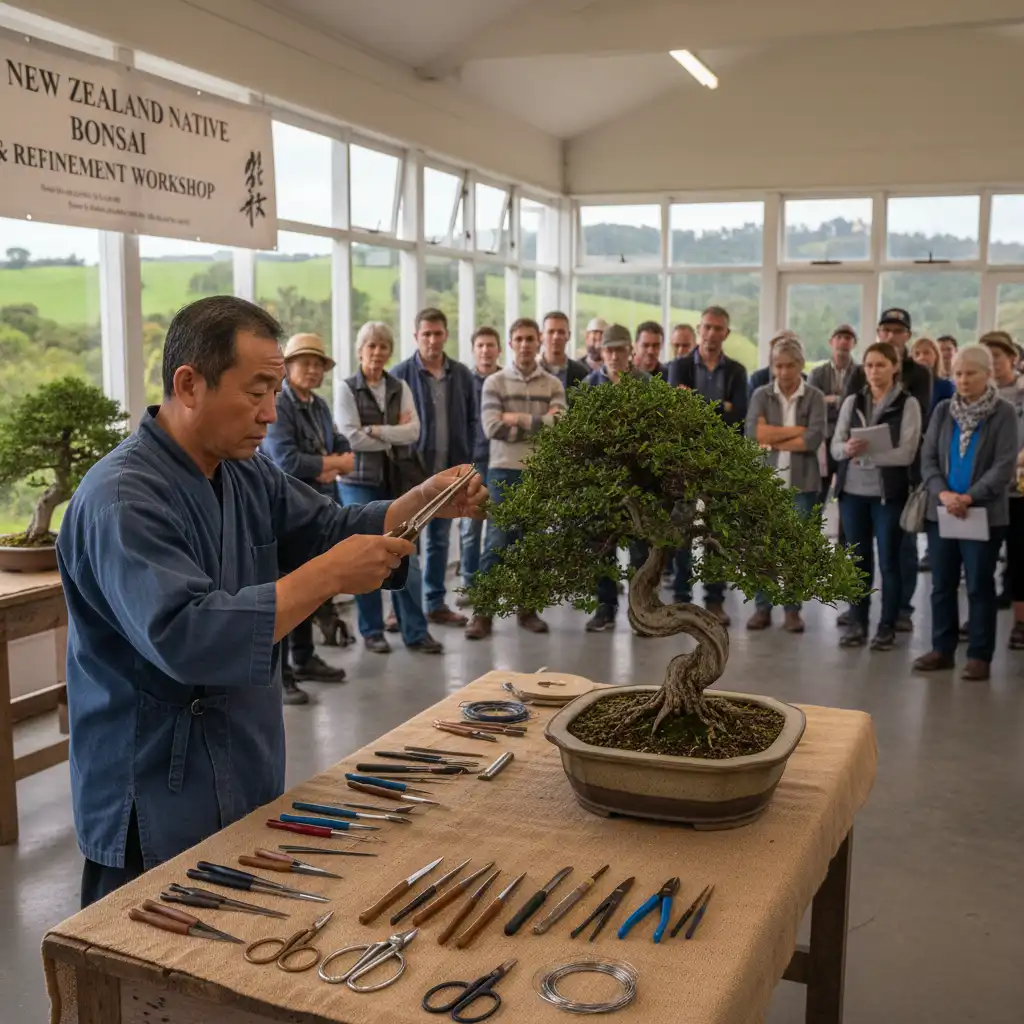
The exchange of ideas isn’t limited to styling; it also includes discussions on advanced horticulture, pest management, and climate change adaptation for bonsai. As climate patterns shift, the resilience of native species and the practices developed in New Zealand offer valuable insights to the wider bonsai world, including specialized considerations like Winter Protection for NZ Bonsai: Ensuring Health Through Colder Months.
International online engagement with NZ bonsai content has surged by 45% annually, highlighting growing global curiosity and indicating a strong trajectory for the future of NZ bonsai on the world stage.
Educational Initiatives and Youth Engagement
Ensuring the longevity and growth of NZ native bonsai relies heavily on educating new generations. Various educational initiatives are underway, targeting both aspiring adult artists and, crucially, young people.
Bonsai clubs across New Zealand offer beginner workshops, mentorship programs, and advanced study groups. These programs often emphasize the unique aspects of native species, teaching participants not just the technical skills but also the ecological and cultural significance of the plants. Partnerships with botanical gardens and horticultural schools are also helping to integrate native bonsai into formal education.
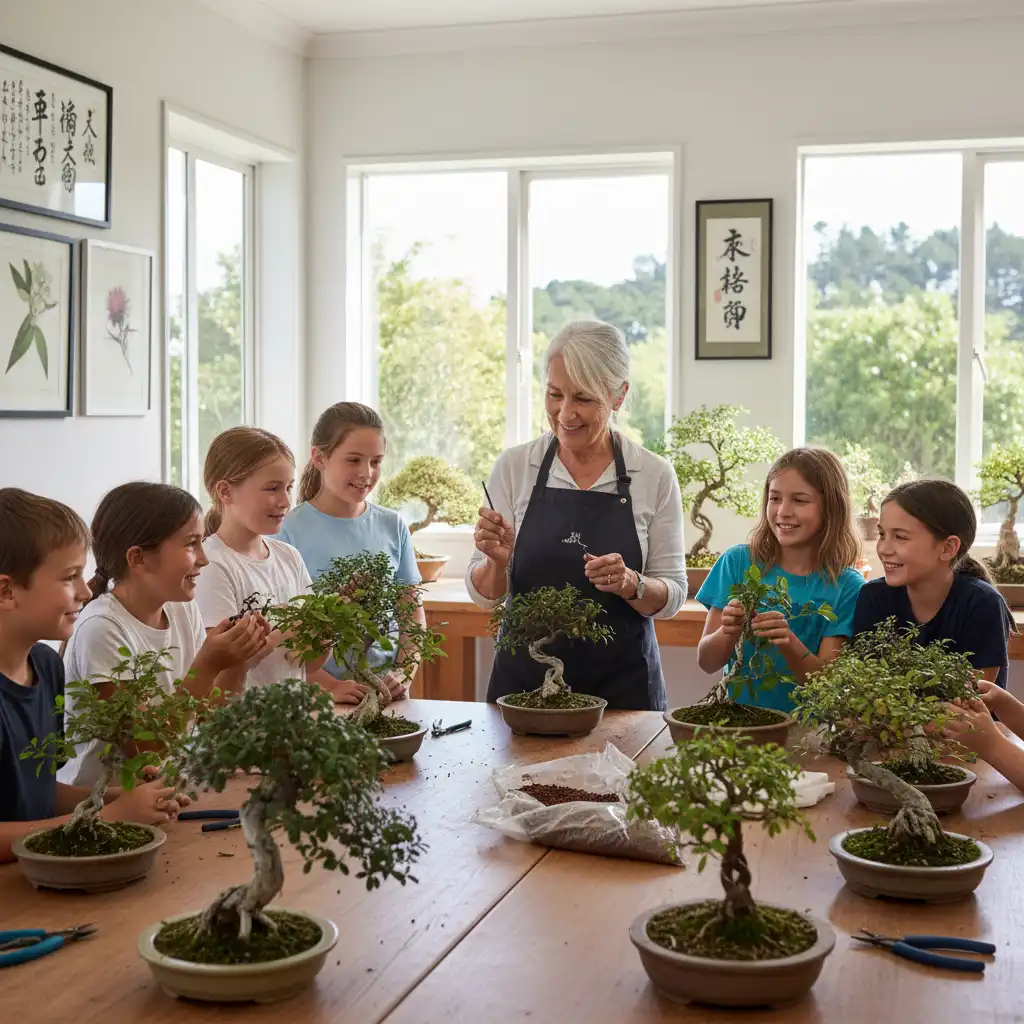
Youth engagement is particularly vibrant, with school programs introducing children to the wonders of native plants through the art of bonsai. These initiatives are designed to spark an early interest in horticulture, conservation, and art, fostering a sense of kaitiakitanga (guardianship) for New Zealand’s natural heritage. By making bonsai accessible and exciting, these programs are cultivating the next generation of artists, collectors, and conservationists, securing the bright future of NZ bonsai.
Youth programs have introduced over 5,000 students to native bonsai, fostering the next generation of artists and custodians, a testament to effective outreach.
Showcasing NZ Bonsai on the World Stage
The ultimate aspiration for many in the NZ native bonsai community is to achieve broader global recognition. This involves strategically showcasing New Zealand’s unique artistic contributions at prestigious international exhibitions. While there have been successes, the goal is to establish NZ native bonsai as a distinct and respected category within the global bonsai arena.
Efforts include developing high-quality digital portfolios, publishing articles in international bonsai journals, and organizing dedicated NZ native bonsai exhibits at major events. The distinctive character of New Zealand’s endemic species and the innovative styling techniques employed offer a fresh perspective that captivates international audiences.
The cultural narrative embedded within NZ native bonsai also plays a crucial role. By sharing the stories of the land, the plants, and the people, artists offer more than just beautiful trees; they offer a window into New Zealand’s unique identity. This cultural depth resonates deeply with art lovers and horticulturalists worldwide, enhancing the prestige and allure of the future of NZ bonsai.
The journey of NZ native bonsai is one of growth, innovation, and profound connection to the land. As artists continue to refine their craft, champion sustainability, and engage with the world, the unique beauty of New Zealand’s miniature trees is set to inspire and enchant for generations to come.
Frequently Asked Questions
What makes NZ native bonsai unique?
NZ native bonsai is unique due to its exclusive focus on indigenous New Zealand flora, such as Pohutukawa, Totara, and Manuka. Artists adapt traditional bonsai techniques to suit these distinct species, often incorporating elements inspired by the New Zealand landscape and Māori culture, giving each piece a strong sense of place and identity.
Are native NZ trees difficult to train as bonsai?
While some native NZ species can present unique challenges due to their growth habits or delicate root systems, many are highly suitable for bonsai. With proper care, knowledge of their specific needs, and adapted techniques, such as Grafting Techniques for Bonsai Development, they can be trained into stunning miniature trees. Many bonsai clubs and resources specialize in native species to guide enthusiasts.
How does NZ native bonsai promote sustainability?
NZ native bonsai promotes sustainability by emphasizing ethical sourcing, primarily using plants propagated from seeds or cuttings rather than collecting from the wild. It also encourages responsible horticultural practices, such as minimal water use, organic pest control, and often involves community participation in native plant conservation and habitat restoration projects.
How can I get started with NZ native bonsai?
To get started, consider joining a local New Zealand bonsai society or club, as they offer invaluable resources, workshops, and mentorship. Begin with easier-to-cultivate native species, acquire essential tools, like those mentioned in Choosing the Best Bonsai Tools for Styling, and learn about fundamental techniques such as Repotting Your First Bonsai Tree. Focus on understanding the specific needs of your chosen plant, including Basic Bonsai Watering & Light Requirements. Online communities and dedicated books are also great resources.