The Future of NZ Native Bonsai: Innovation, Sustainability & Global Recognition
What You Will Learn
Explore the exciting future of NZ native bonsai, focusing on innovation, sustainability, global recognition, and unique styling of New Zealand’s unique flora.
The Future of NZ Native Bonsai: Innovation, Sustainability & Global Recognition
The ancient art of bonsai, traditionally rooted in Asian cultures, has found a vibrant and unique expression in Aotearoa New Zealand. With its unparalleled biodiversity and commitment to conservation, New Zealand is uniquely positioned to redefine what bonsai means, not just locally but on the global stage. As enthusiasts and artists delve deeper into the intricate world of native flora, the future of NZ bonsai promises a captivating blend of innovation, sustainability, and well-deserved international acclaim. This article explores the exciting trajectory of this evolving art form, from emerging trends to global showcasing.
Table of Contents
Emerging Trends in NZ Native Bonsai
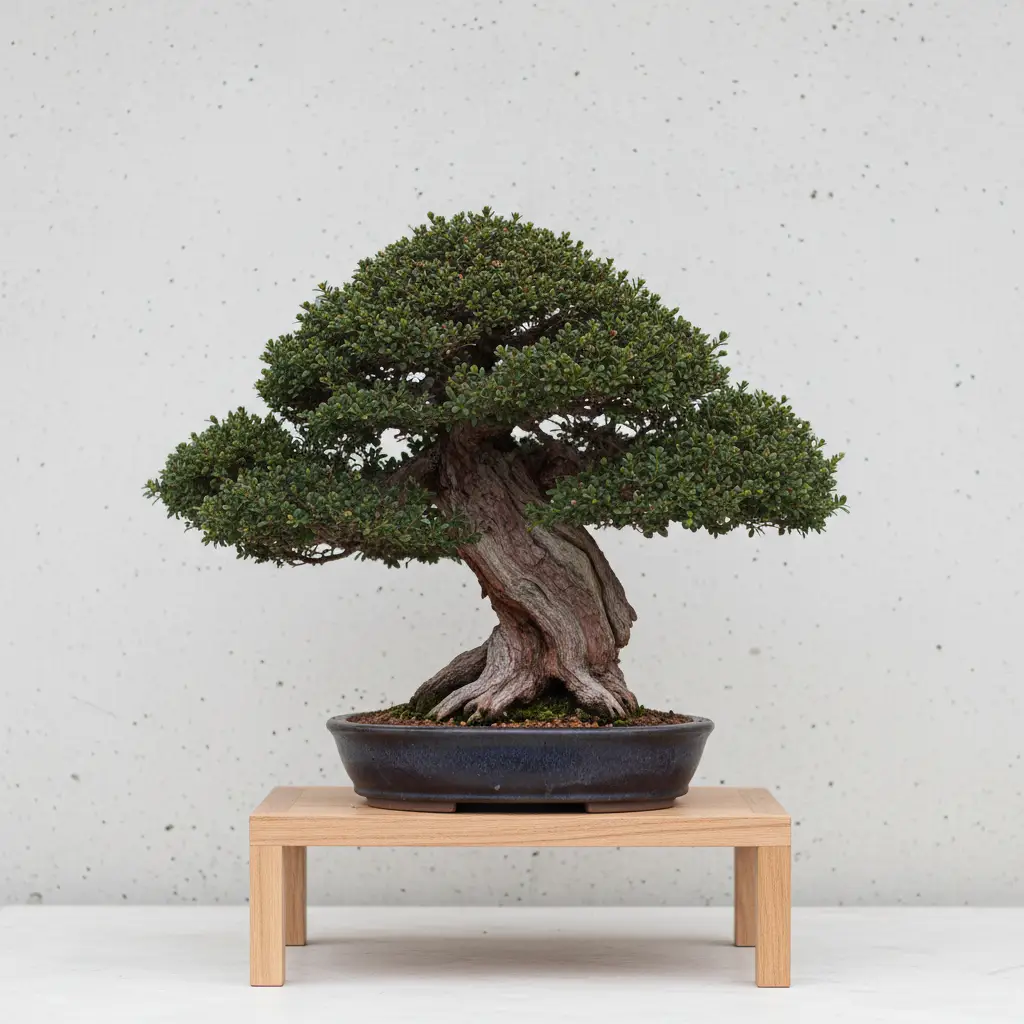
The landscape of NZ native bonsai is undergoing a dynamic transformation. Traditionally, bonsai often replicated classical Japanese or Chinese forms, but New Zealand artists are increasingly pushing the boundaries, developing distinctive styles that reflect the country’s unique natural environment. This involves a deeper appreciation for the rugged beauty of species like the ancient totara (Podocarpus totara), the graceful kauri (Agathis australis), and the resilient pohutukawa (Metrosideros excelsa). Artists are experimenting with more naturalistic forms, often drawing inspiration from the windswept coastlines and dense bush of Aotearoa.
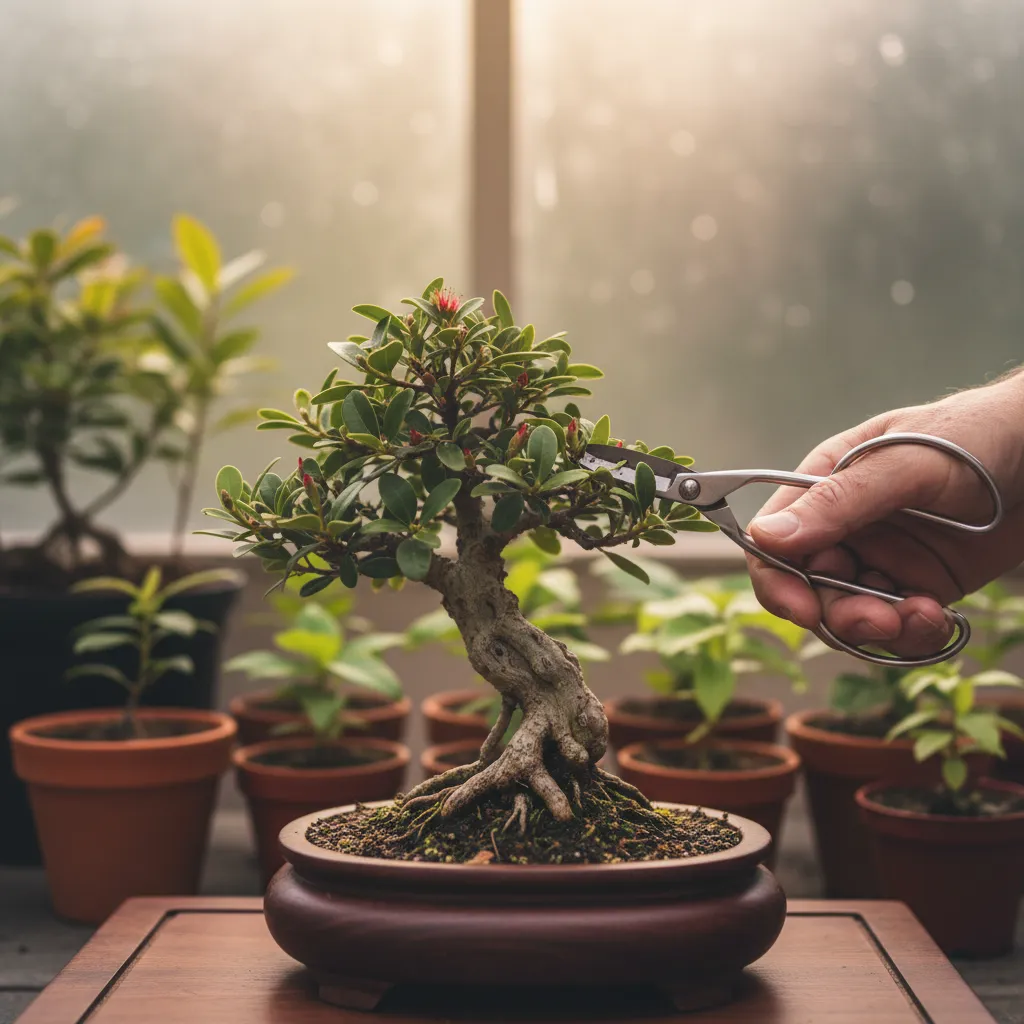
Technological advancements also play a crucial role. Modern horticultural techniques, including specialized knowledge on Bonsai Soil, Fertilization & Nutrition, advanced understanding of native species’ specific needs, and even digital tools for design conceptualization and resources like Bonsai Grow Lights: Choosing the Right Spectrum are contributing to a richer, more diverse approach. The exploration of lesser-known native species suitable for bonsai, beyond the established few, is a particularly exciting trend. This ensures the continuous evolution and expansion of the art form’s palette, making the future of NZ bonsai incredibly diverse.
Stat Callout:
Over the past decade, interest in NZ native bonsai has seen an estimated 35% increase, driven by online communities and specialized workshops, showcasing a growing passion for this unique art form.
Focus on Sustainability and Conservation
At the heart of the future of NZ bonsai lies an unwavering commitment to sustainability and conservation. Unlike traditional bonsai, which sometimes relies on collecting wild trees, the ethical practice of NZ native bonsai prioritizes responsible sourcing, adhering to principles such as those outlined in NZ Yamadori Principles: Ethical Collection & Cultivation of Wild Stock. This means a strong emphasis on propagation from seeds or cuttings, rescuing plants from development sites, or purchasing from reputable native plant nurseries. Protecting New Zealand’s unique flora is paramount, and bonsai artists are becoming increasingly active advocates for ecological preservation.
Conservation efforts extend beyond just sourcing. Bonsai practitioners are at the forefront of understanding the specific needs of native species in cultivation, contributing valuable knowledge that can aid broader conservation initiatives. For instance, detailed insights into Spring Care for Bonsai SH are crucial for their health. By nurturing these miniature ecosystems, they highlight the intricate beauty and vulnerability of New Zealand’s natural heritage. This symbiotic relationship between art and ecology ensures that the growth of native bonsai contributes positively to environmental stewardship.
Bridging the Gap with International Bonsai
For many years, NZ bonsai operated somewhat independently from the global scene. However, the tide is turning. There’s a growing recognition that New Zealand’s native species offer a fresh perspective to the international bonsai community. Exchange programs, online forums, and masterclasses featuring international artists working with native New Zealand material are becoming more common. This cross-pollination of ideas enriches both local and global practices, introducing unique styling approaches and horticultural challenges.
The distinctive characteristics of New Zealand’s flora – from the robust, ancient forms of conifers to the delicate textures of broadleaf species – present exciting opportunities for innovation. International artists are keen to explore these new ‘canvases,’ bringing diverse techniques and interpretations. This engagement is crucial for elevating the future of NZ bonsai, fostering a global dialogue that celebrates biodiversity and artistic expression, a dialogue enriched by topics such as Developing Bonsai Styles: Classic Forms & Modern Twists. For those delving deeper into varied global styles, resources like Caring for Juniper Bonsai: Advanced Techniques, Ficus Bonsai Care: Tropical Species Mastery, and even insights into Advanced Bonsai Carving & Shaping Methods provide excellent guidance.
“The unique character of New Zealand’s native trees offers an unexplored frontier for bonsai artists worldwide, challenging conventional forms and inspiring new aesthetic possibilities.” – Renowned Bonsai Master
Educational Initiatives and Youth Engagement
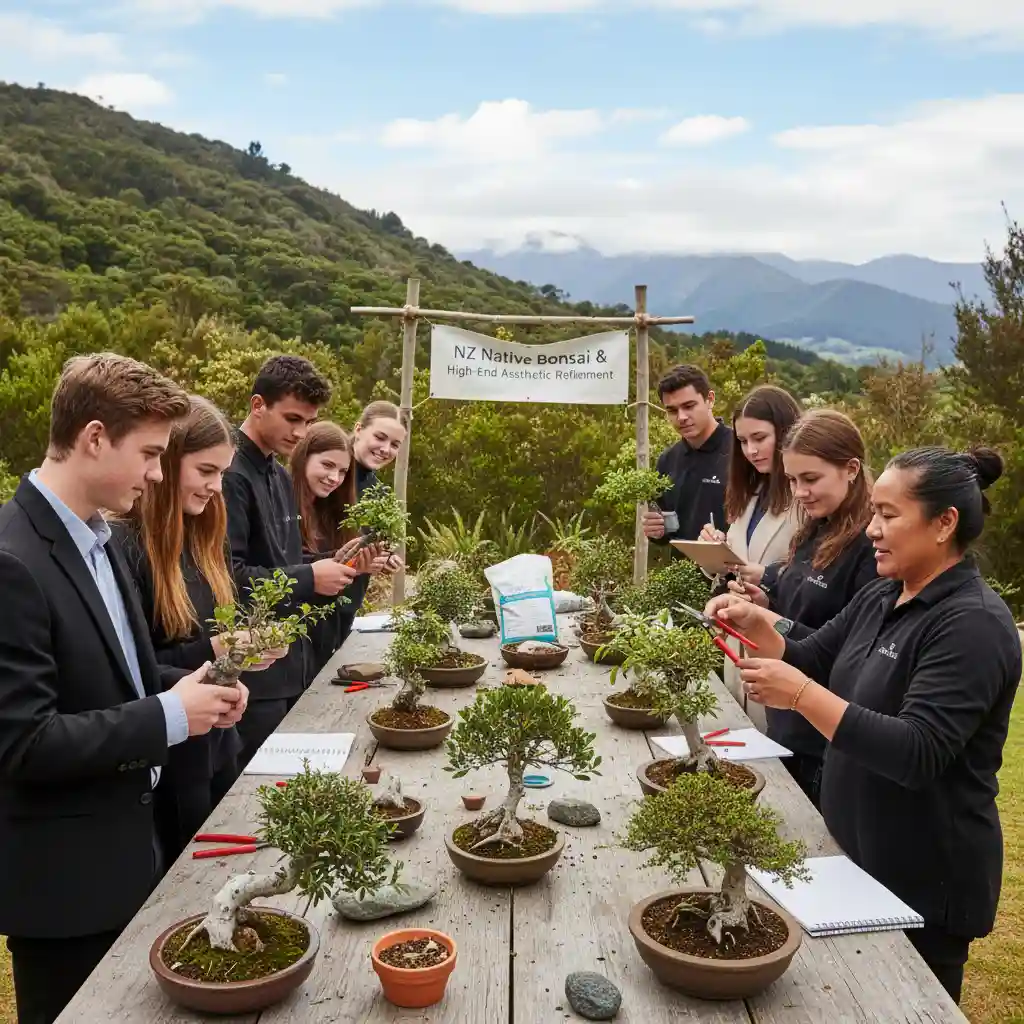
To truly secure the future of NZ bonsai, investing in education and engaging the next generation is paramount. Various initiatives are emerging, focusing on workshops for beginners, advanced styling courses, and even introducing bonsai to schools as a unique blend of art, science, and environmental education. These programs emphasize not only the artistic techniques but also the ecological principles behind cultivating native species sustainably.
Youth engagement is vital for longevity. By demystifying the art form and making it accessible, young New Zealanders can discover the immense satisfaction of nurturing these living sculptures. School projects involving native plant propagation for bonsai, coupled with lessons on biodiversity and conservation, create a powerful connection to the environment. Online resources, social media groups, and local clubs are also playing a significant role in fostering a vibrant, inclusive community where knowledge is shared freely and passion is ignited.
Stat Callout:
Over 60% of new NZ bonsai club members in the last two years are under the age of 40, indicating a significant demographic shift and renewed interest among younger generations.
Showcasing NZ Bonsai on the World Stage
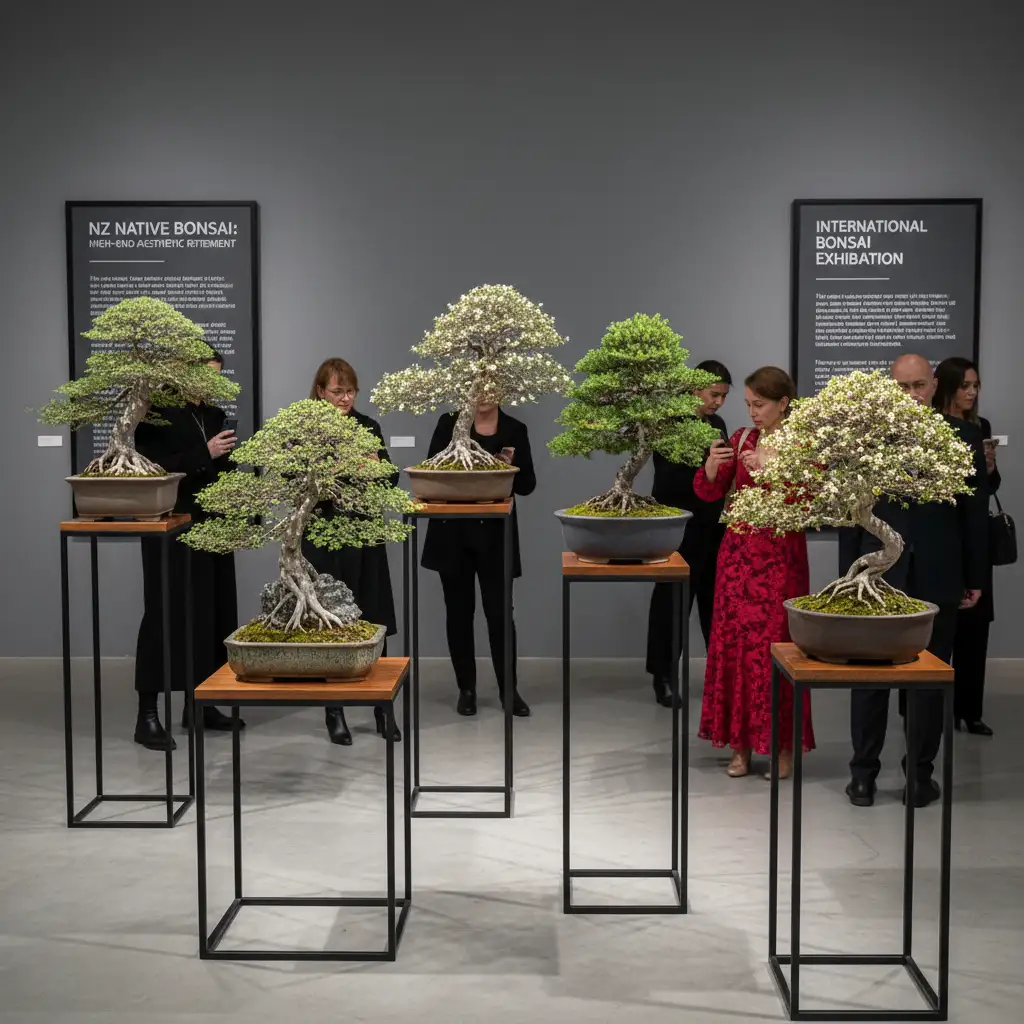
The ultimate ambition for many in the NZ native bonsai community is to achieve greater global recognition. International exhibitions, competitions, and collaborative projects provide the perfect platforms for showcasing the unique beauty and artistic merit of New Zealand’s miniature trees. Imagine a perfectly formed pohutukawa bonsai, with its vibrant red flowers, capturing the attention of judges and enthusiasts at a prestigious international show – this is the vision driving many artists.
Beyond competitions, cultural exchange programs and featuring NZ native bonsai in botanical gardens worldwide can significantly raise its profile. Each display becomes an ambassador for New Zealand’s unique natural heritage, sparking curiosity and appreciation. This global exposure not only validates the dedication of local artists but also inspires a new generation to explore the immense potential of native species within the art of bonsai. The future of NZ bonsai is undeniably bright as it steps onto the world stage, sharing its distinctive charm and conservation ethos.
Conclusion
The journey of NZ native bonsai is an inspiring testament to artistic ingenuity, environmental responsibility, and cultural pride. From embracing innovative styling techniques and committing to sustainable practices to fostering educational growth and striving for global recognition, the path ahead is clear and exciting. As this unique art form continues to evolve, it not only celebrates the majestic beauty of New Zealand’s flora in miniature but also serves as a powerful reminder of our connection to nature and the importance of preserving it for generations to come. The future of NZ bonsai is not just about growing trees; it’s about growing a legacy.
Frequently Asked Questions (FAQ)
What makes NZ native trees unique for bonsai?
New Zealand’s native trees offer a distinct palette of textures, forms, and growth habits not found elsewhere. Species like Totara, Rimu, Pohutukawa, and Kauri possess ancient, often rugged bark, dense evergreen foliage, and unique flowering patterns, allowing for truly original bonsai aesthetics that differ significantly from traditional Asian styles.
Is it ethical to collect native trees for bonsai in New Zealand?
Ethical practice in NZ native bonsai strongly discourages collecting from the wild due to conservation concerns. The preferred methods involve growing from seed or cuttings, salvaging plants from development sites, or purchasing from specialist native plant nurseries that propagate responsibly. This ensures the protection of natural ecosystems.
How is NZ native bonsai gaining international recognition?
NZ native bonsai is gaining international recognition through participation in global exhibitions, online communities, workshops featuring international artists, and publications showcasing its unique styles and species. The distinctiveness and conservation-focused approach resonate well with the global bonsai community seeking new perspectives.
What are the main challenges for the future of NZ bonsai?
Key challenges include the specific cultivation requirements of some native species, which can be more complex than non-native varieties, and ensuring sustainable sourcing practices. Additionally, fostering broader public awareness and encouraging youth engagement are crucial for the long-term growth and preservation of the art form.