The Art & Philosophy of NZ Bonsai: Culture, Community & Future
Discover the vibrant NZ bonsai culture: its unique native species, historical journey, community spirit, and future vision. A profound connection to New Zealand’s natural beauty.
bonzai.co.nz
What You Will Learn
Discover the vibrant NZ bonsai culture: its unique native species, historical journey, community spirit, and future vision. A profound connection to New Zealand’s natural beauty.
New Zealand, a land forged by dramatic landscapes and unique biodiversity, offers a fertile ground for an equally distinctive art form: bonsai. Far from merely replicating Japanese traditions, the NZ bonsai culture has blossomed into a vibrant expression of national identity, deeply rooted in the philosophy of aesthetic refinement and a profound connection to its native flora. This article delves into the heart of this evolving art, exploring its unique spirit, historical journey, creative dimensions, the community that nurtures it, and its promising future.
Table of Contents
- Exploring the Unique Spirit of NZ Bonsai
- Historical Context of Bonsai in New Zealand
- The Role of Creativity and Expression
- Building a Thriving NZ Bonsai Community
- Vision for the Future of Native Bonsai Art
Exploring the Unique Spirit of NZ Bonsai
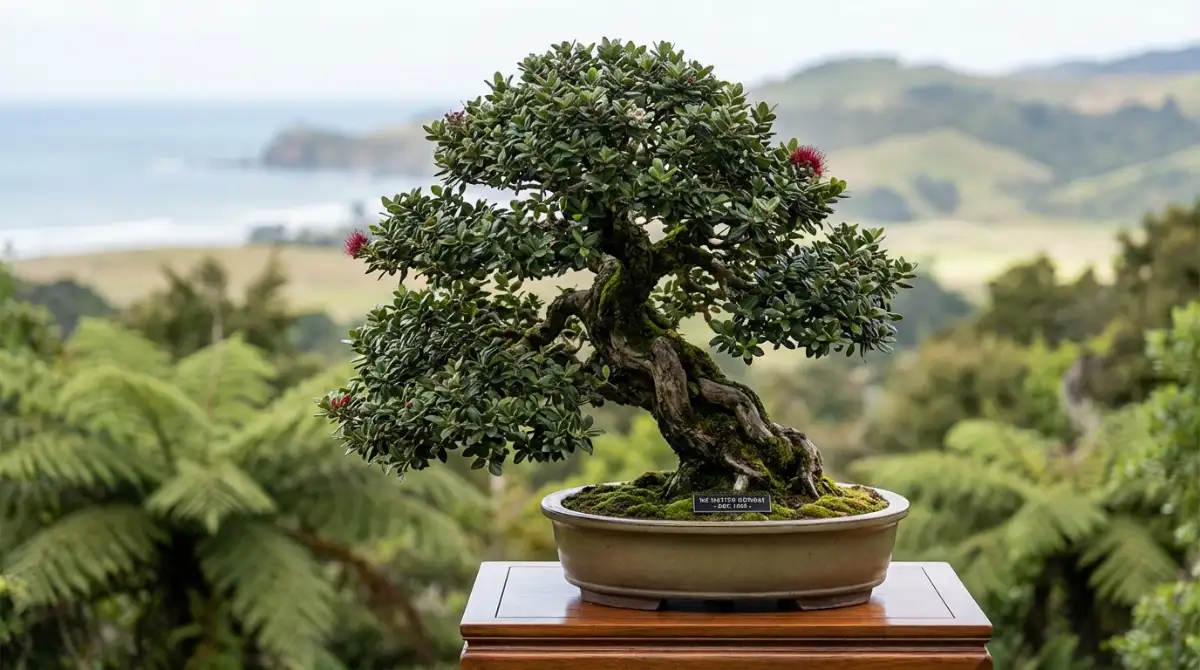
The essence of New Zealand bonsai lies in its intimate relationship with the land itself. Unlike traditional bonsai, which often focuses on species like pines and maples, Kiwi artists increasingly turn to native species such as Pōhutukawa, Mānuka, Kauri, and Totara. These trees, with their distinctive foliage, growth habits, and often gnarled beauty, present both challenges and unparalleled opportunities for creative expression. Cultivating native species is not just a horticultural choice; it’s an act of cultural reverence, embodying the Māori concept of kaitiakitanga – guardianship of the land.
This unique focus fosters a deep respect for the natural environment, celebrating the rugged beauty and resilience inherent in New Zealand’s botanical heritage. The resulting bonsai pieces often tell a story of the windswept coastlines, ancient forests, and serene alpine regions, making the NZ bonsai culture truly one of a kind.
Historical Context of Bonsai in New Zealand
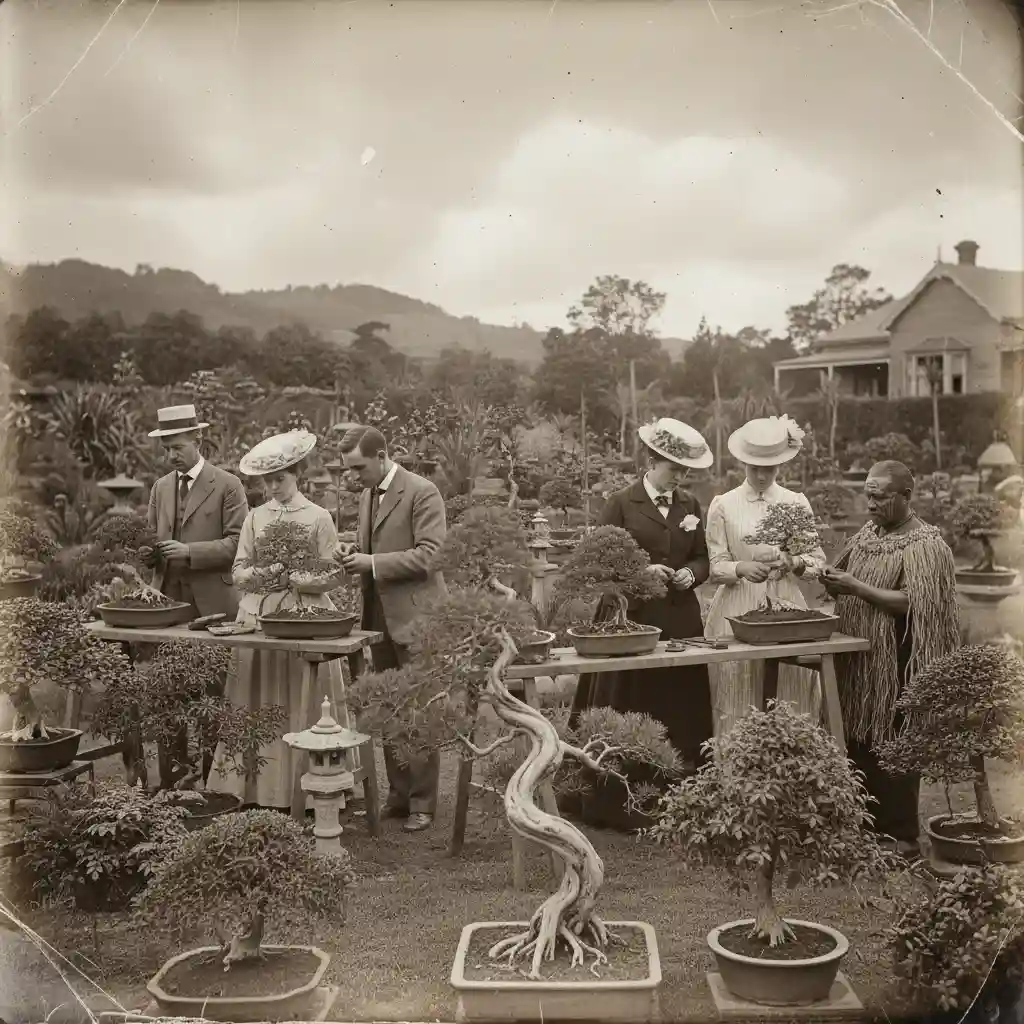
Bonsai’s journey to New Zealand, much like in many Western countries, began with the introduction of Japanese techniques and aesthetics. Early enthusiasts in the mid-20th century meticulously studied and applied these foundational principles, primarily using introduced species. However, as the art form took root, a natural inclination emerged to explore the vast potential of indigenous flora.
This shift wasn’t merely about material; it was about identity. Artists began to experiment, adapting traditional techniques to suit the unique characteristics of native trees. This period of innovation laid the groundwork for the distinctive NZ bonsai culture we see today, where a blend of global influence and local ingenuity creates a dynamic and evolving art form. Exhibitions and workshops increasingly feature native trees, reflecting a growing confidence and pride in this unique artistic direction.
The Role of Creativity and Expression
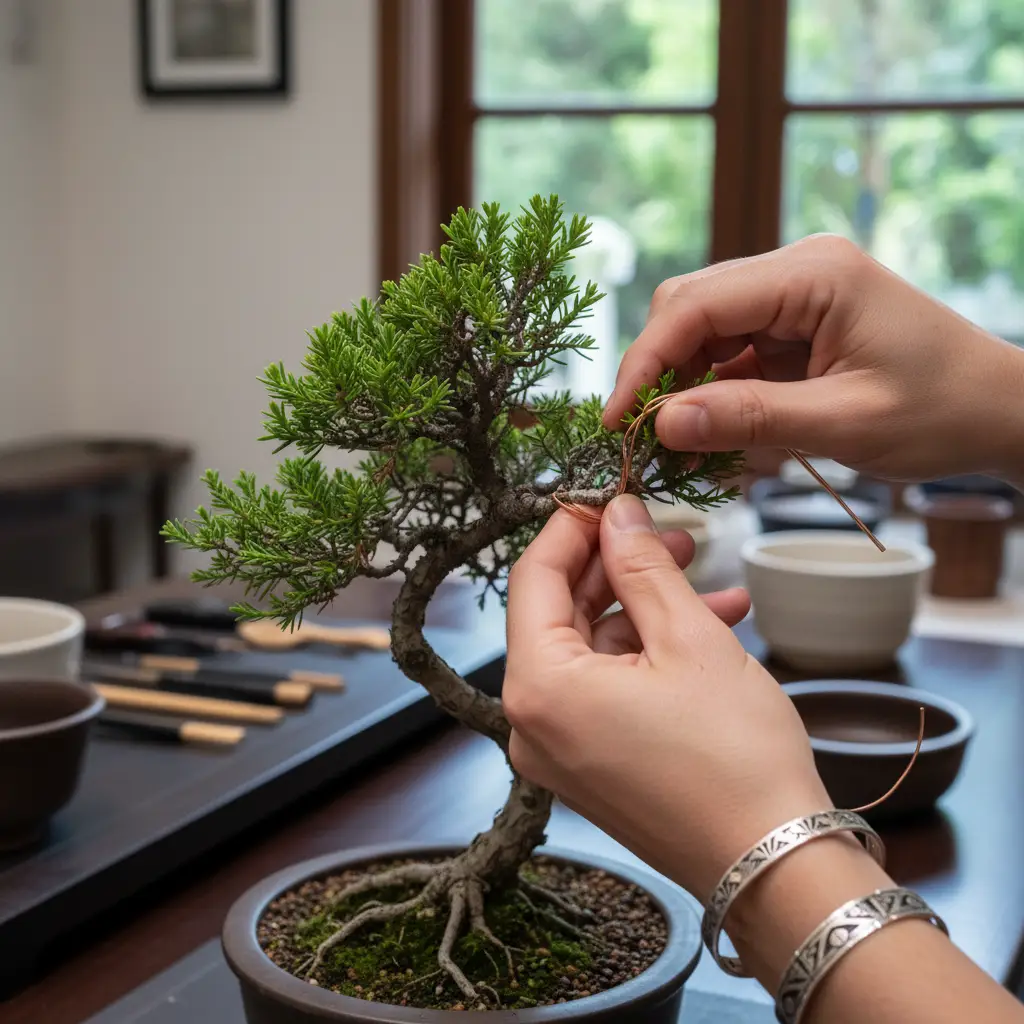
At its heart, bonsai is a living art, a continuous dialogue between artist and tree. In the context of New Zealand, this dialogue takes on a unique timbre. Artists are not just replicating nature; they are interpreting it, distilling the grandeur of the Aotearoa landscape into miniature forms. This requires immense creativity, a keen eye for composition, and a deep understanding of horticulture.
The challenges posed by native species – their slower growth rates, specific environmental needs, and often dense wood – push artists to innovate. This fosters a spirit of experimentation in the NZ bonsai culture, leading to new styling techniques and a broader palette of artistic expression. Each native bonsai becomes a unique sculpture, reflecting the artist’s personal vision and their reverence for the tree’s inherent character.
“Working with native New Zealand species is a journey of discovery. You learn to listen to the tree, to understand its innate rhythm and how it wants to grow. That’s where the true art begins.” – Renowned NZ Bonsai Artist
Building a Thriving NZ Bonsai Community
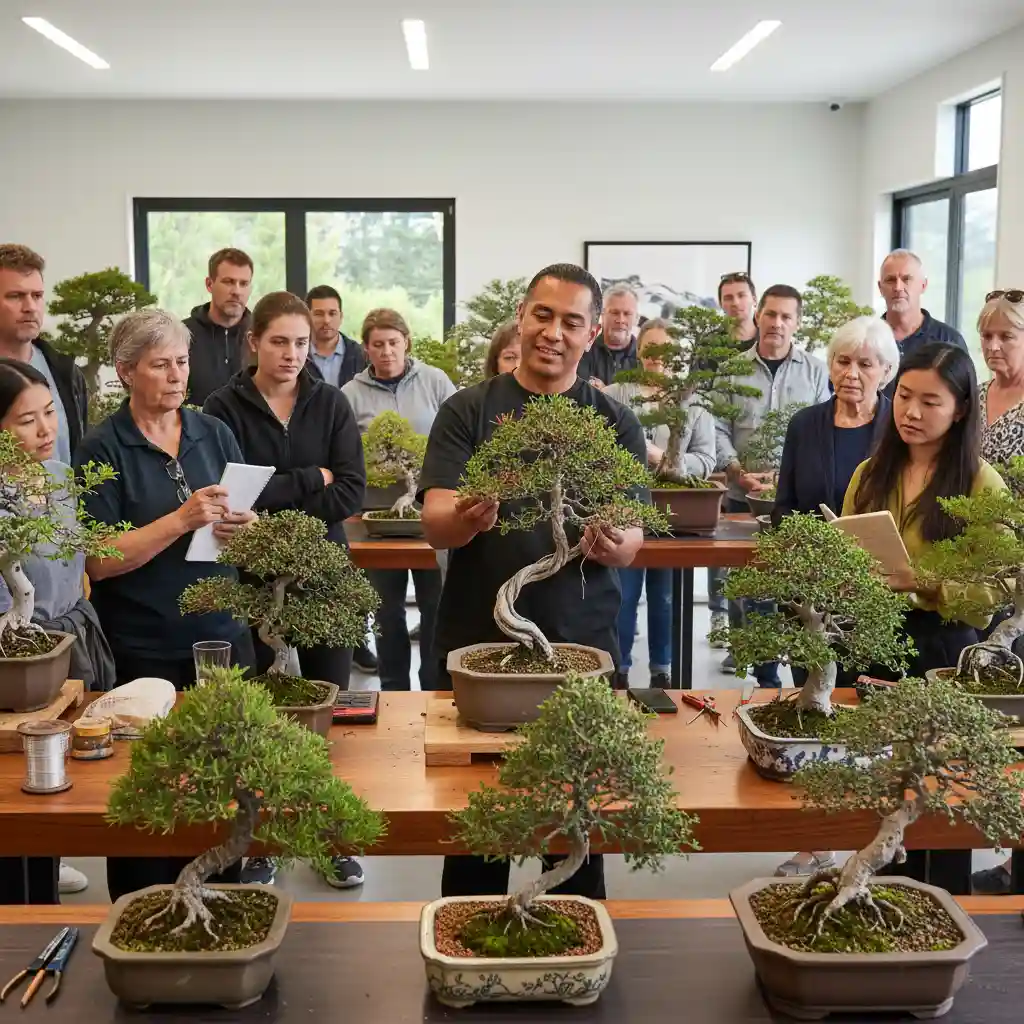
No art form thrives in isolation, and the NZ bonsai culture is no exception. A strong and supportive community underpins its growth and evolution. Across the country, numerous bonsai clubs and societies provide platforms for enthusiasts to connect, share knowledge, and hone their skills. These groups host workshops, exhibitions, and regular meetings, fostering a sense of camaraderie and collective learning.
The digital age has further amplified this sense of community, with online forums and social media groups allowing for instant collaboration and mentorship, transcending geographical boundaries. New Zealand bonsai artists actively engage with international peers, bringing back fresh perspectives while proudly showcasing their unique native works. This vibrant exchange ensures a continuous infusion of new ideas and techniques, enriching the entire ecosystem of NZ bonsai.
Did You Know?
Estimates suggest that engagement with native New Zealand bonsai species has more than doubled in active community forums over the last five years, showcasing a vibrant growth in the NZ bonsai culture.
Vision for the Future of Native Bonsai Art
The future of native bonsai art in New Zealand is bright and ambitious. There is a growing movement towards sustainable collecting practices, with an emphasis on rescue operations and propagation from ethically sourced material rather than indiscriminate wild harvesting. This commitment to environmental stewardship aligns perfectly with the ethos of kaitiakitanga and ensures the longevity of both the art form and the native ecosystems.
Furthermore, as techniques mature and the expertise in handling native species deepens, New Zealand bonsai is poised for greater international recognition. Exhibitions showcasing the unique beauty of Kiwi-styled native trees are gaining traction globally, putting the distinctive NZ bonsai culture firmly on the world stage. The integration of high-end aesthetic refinement with ecological consciousness will continue to define and elevate this remarkable art form for generations to come, securing its legacy as a true reflection of New Zealand’s natural and artistic spirit.
Frequently Asked Questions about NZ Bonsai
What makes NZ bonsai unique?
NZ bonsai is unique primarily due to its strong focus on native New Zealand tree species like Pōhutukawa, Mānuka, and Kauri. This distinct material choice, combined with an interpretation of traditional bonsai techniques through a local ecological and cultural lens, gives it a unique aesthetic and philosophy.
Can beginners start with native NZ species for bonsai?
While some native species can be more challenging due to their growth habits or specific environmental needs, many are suitable for beginners. Mānuka, Corokia, and Coprosma are often recommended as good starting points, provided beginners research their specific care requirements and consult with experienced local artists.
Where can I learn more about NZ bonsai culture?
You can learn more by joining local New Zealand bonsai clubs and societies, attending workshops and exhibitions, and exploring online forums or social media groups dedicated to NZ bonsai. These platforms offer invaluable resources, mentorship, and opportunities to connect with the community.
What are the challenges of cultivating native NZ bonsai?
Challenges include understanding the specific horticultural needs of diverse native species, which can differ significantly from traditional bonsai subjects. These might include slower growth rates, susceptibility to certain pests or diseases, and specific requirements for light, water, and soil conditions that mimic their natural habitat.