The Art & Philosophy of NZ Bonsai: Culture, Community & Future
Discover the unique spirit of NZ bonsai culture. Explore its history, community, and the future of native bonsai art in New Zealand. A guide for enthusiasts.
bonzai.co.nz
What You Will Learn
Discover the unique spirit of NZ bonsai culture. Explore its history, community, and the future of native bonsai art in New Zealand. A guide for enthusiasts.
New Zealand, a land of unparalleled natural beauty and a vibrant, evolving culture, offers a unique canvas for the ancient art of bonsai. Far from its Asian origins, NZ bonsai culture has carved out a distinctive identity, embracing the rugged charm and endemic flora of Aotearoa. This isn’t merely about miniature trees; it’s a profound connection to nature, a meditative practice, and a testament to artistic endurance.
Join us as we delve into the heart of this thriving movement, exploring its unique spirit, rich history, dedicated community, and the exciting vision shaping its future. Discover why New Zealand is becoming a pivotal hub for native bonsai art, celebrating both tradition and innovation.
Table of Contents
Exploring the Unique Spirit of NZ Bonsai
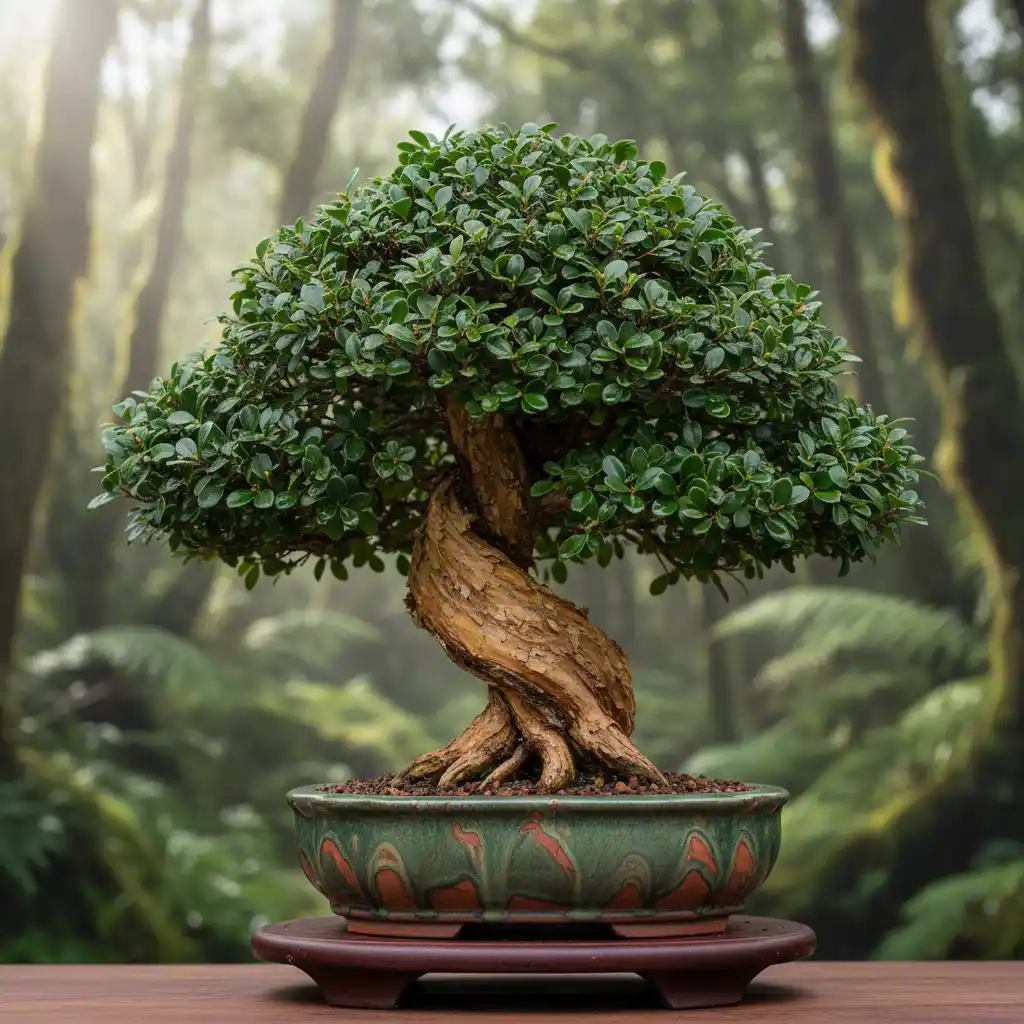
What truly sets NZ bonsai culture apart is its deep-rooted respect for the country’s native flora. While traditional species like Juniper and Maple have their place, a growing movement celebrates the incredible diversity of New Zealand’s indigenous trees and shrubs. Species like the sturdy Pōhutukawa, the graceful Kauri, the resilient Kanuka, and the ancient Totara are being expertly cultivated, each telling a story of the landscape from which it originates.
This focus on native species isn’t just an aesthetic choice; it’s an ecological statement, promoting biodiversity and highlighting the unique characteristics of plants adapted to New Zealand’s distinct climate and geology. It imbues each bonsai with a spirit that is undeniably Aotearoa.
“Bonsai is not merely shaping a tree; it’s about revealing the spirit of the tree, its struggle, its resilience, and its inherent beauty. With native New Zealand species, we’re sharing a piece of our land’s soul.” – Renowned NZ Bonsai Artist
Historical Context of Bonsai in New Zealand
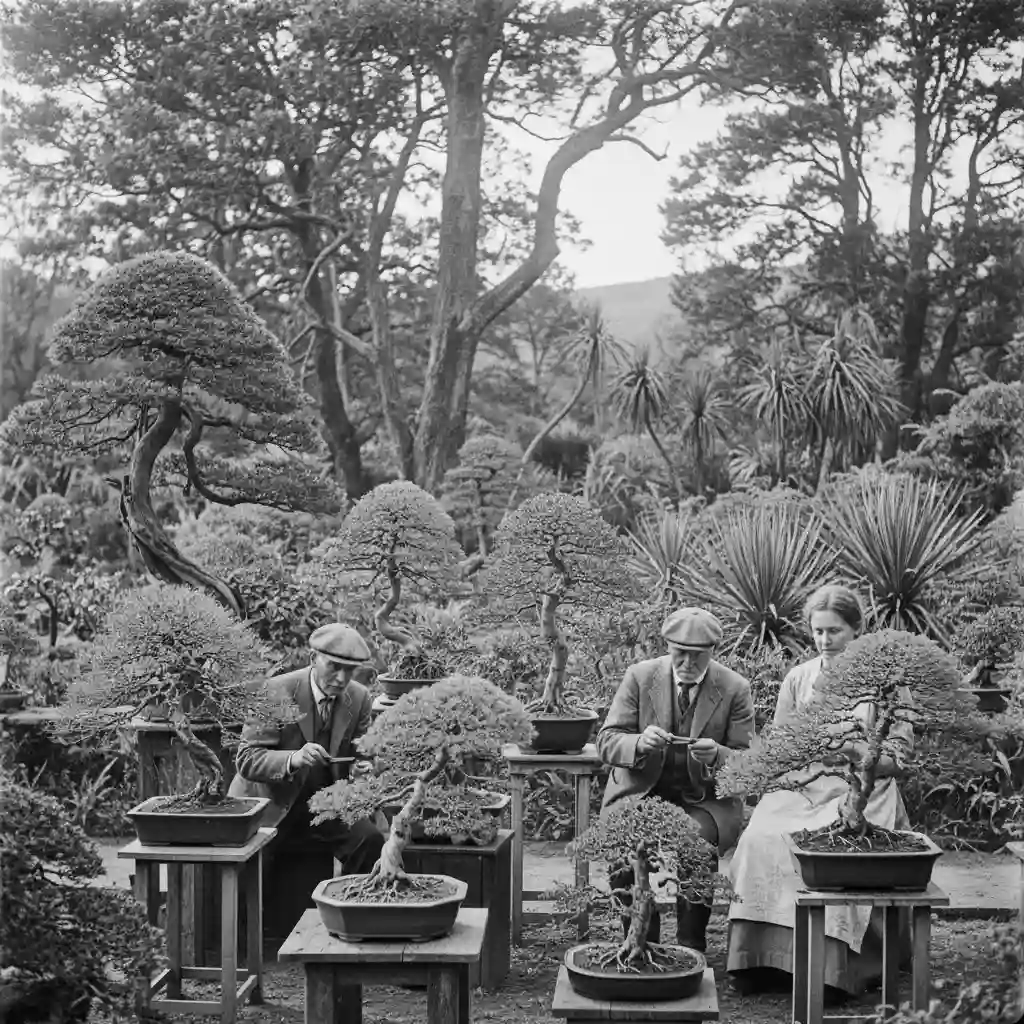
The art of bonsai first arrived in New Zealand through international exchange and the passion of early enthusiasts, particularly post-World War II. Initially, the focus was on replicating traditional Japanese styles using imported or naturalised species. However, as the local scene matured, a distinctive shift began. Pioneers in the 1970s and 80s started experimenting with New Zealand native plants, encountering both challenges and triumphs.
This era marked the genesis of a truly unique NZ bonsai culture. The techniques had to be adapted, understanding of indigenous horticulture deepened, and a new aesthetic vocabulary emerged, one that respected the gnarled forms of coastal plants and the ancient majesty of forest giants.
Stat Callout: While official numbers are hard to pinpoint, estimates suggest over 2,000 active bonsai practitioners across New Zealand, with a significant and growing percentage focused on native species, contributing to a vibrant local scene.
The Role of Creativity and Expression
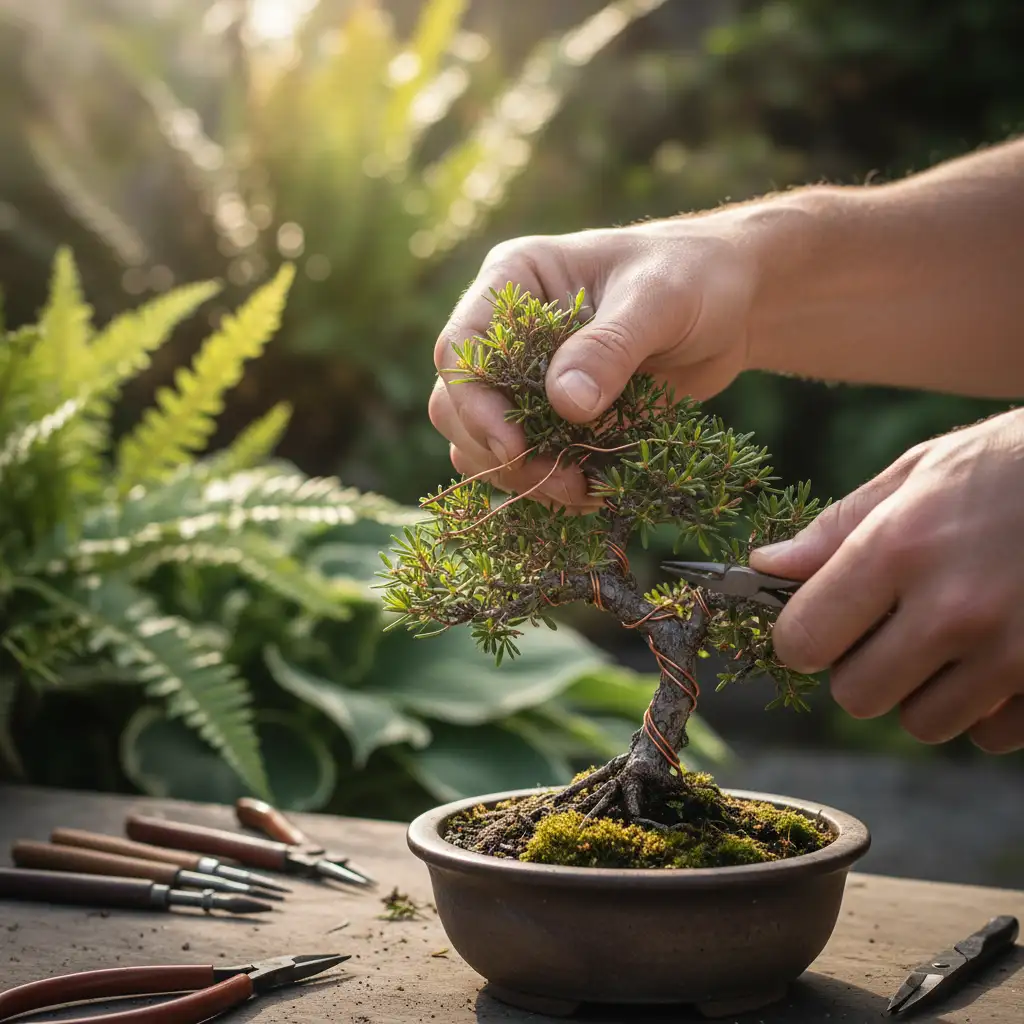
Bonsai is often called ‘living sculpture,’ and in New Zealand, this artistic expression takes on a profound dimension. Practitioners are not just horticulturists; they are artists, interpreting the raw beauty of their environment. The diverse growth habits of native species, from the weeping elegance of a Rewarewa to the rugged strength of a Mānuka, demand innovative styling approaches.
This creative freedom allows for the development of styles that might not conform to rigid classical rules but are deeply authentic to the New Zealand landscape. It’s an ongoing dialogue between the artist, the tree, and the land, fostering a spirit of experimentation and individuality that enriches the entire NZ bonsai culture.
Building a Thriving NZ Bonsai Community
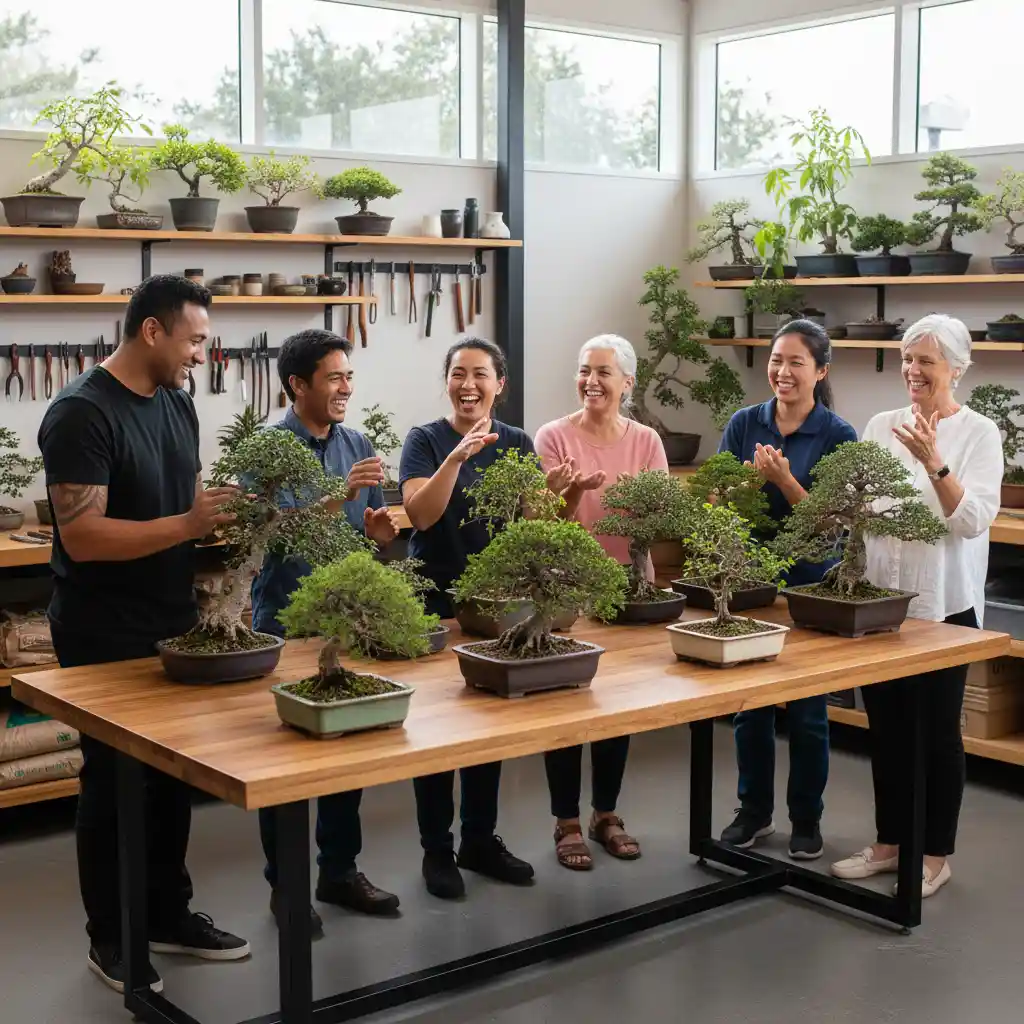
The heartbeat of any art form lies in its community, and New Zealand’s bonsai scene is pulsating with energy. Numerous clubs and societies across the country, from Auckland to Dunedin, provide platforms for learning, sharing, and growth. These groups host workshops, exhibitions, and guest speakers, fostering a supportive environment for beginners and seasoned artists alike.
- Workshops & Demonstrations: Hands-on sessions focused on styling, potting, and care specific to native species.
- Annual Exhibitions: Showcasing the best of New Zealand bonsai, inspiring new enthusiasts and celebrating artistic achievement.
- Online Forums & Social Media: Connecting practitioners nationwide, facilitating knowledge exchange and virtual camaraderie.
- Mentorship Programs: Experienced artists guiding new members, ensuring the continuity and high standards of the art.
The collaborative spirit of the NZ bonsai culture is evident in its willingness to share knowledge and propagate indigenous techniques. This collective passion ensures the art continues to evolve and flourish for generations.
Vision for the Future of Native Bonsai Art
The future of native bonsai in New Zealand is bright, driven by increasing awareness, scientific research into native plant cultivation, and a growing international reputation. There’s a concerted effort to document styling techniques unique to native species and to establish national collections that preserve this living heritage.
Educational initiatives are key, not only to nurture new talent but also to instill a deeper appreciation for New Zealand’s unique ecological identity through the art of bonsai. As sustainability becomes paramount, native bonsai offers a powerful way to connect with and conserve the natural world, one miniature tree at a time. The NZ bonsai culture is poised to become a global leader in native plant bonsai, exporting its unique aesthetic and horticultural wisdom to the world.
Frequently Asked Questions About NZ Bonsai Culture
- What makes NZ bonsai culture unique? It’s uniquely defined by its focus on cultivating native New Zealand flora, adapting traditional techniques to these species, and developing an aesthetic that reflects the country’s distinct natural landscapes.
- Are native New Zealand trees suitable for bonsai? Absolutely. Many native species like Pōhutukawa, Mānuka, Totara, and Kanuka are excellent for bonsai, offering diverse forms, textures, and resilience.
- Where can I learn about NZ native bonsai? Numerous local bonsai clubs and societies across New Zealand offer workshops, mentorship, and resources specifically for native bonsai. Online forums and national exhibitions are also great starting points.
- Is it ethical to collect native plants for bonsai? Ethical collection is crucial. It’s generally advised to propagate from seed or cuttings, or source from reputable nurseries specializing in native plants. Collecting from the wild is often illegal and environmentally damaging without proper permits and knowledge.
- How does NZ bonsai contribute to conservation? By highlighting the beauty and unique characteristics of native species, NZ bonsai fosters appreciation and understanding, which can indirectly support broader conservation efforts and promote sustainable horticultural practices.