Bonsai Health & Longevity in NZ: Pest, Disease & Environmental Management
Master NZ bonsai pest control, disease prevention, and environmental management. Learn expert tips for healthy, long-lived native bonsai in New Zealand.
bonzai.co.nz
What You Will Learn
Master NZ bonsai pest control, disease prevention, and environmental management. Learn expert tips for healthy, long-lived native bonsai in New Zealand.
Bonsai Health & Longevity in NZ: Pest, Disease & Environmental Management
The delicate art of bonsai, especially with New Zealand’s unique native species, requires a meticulous approach to health and longevity. Your miniature trees are not just plants; they are living sculptures that demand constant care and vigilance against a myriad of threats. In New Zealand’s diverse climate, understanding and implementing effective NZ bonsai pest control, disease prevention, and environmental protection strategies is paramount. This comprehensive guide will equip you with the expert knowledge to ensure your precious bonsai thrive for generations.
Table of Contents
Proactive Health Management for NZ Bonsai
The best defense against pests and diseases is a strong offense: maintaining a robust, healthy bonsai. This means consistent, attentive care that goes beyond just aesthetics. For New Zealand native bonsai, understanding their specific needs – from soil composition to light requirements – is crucial.
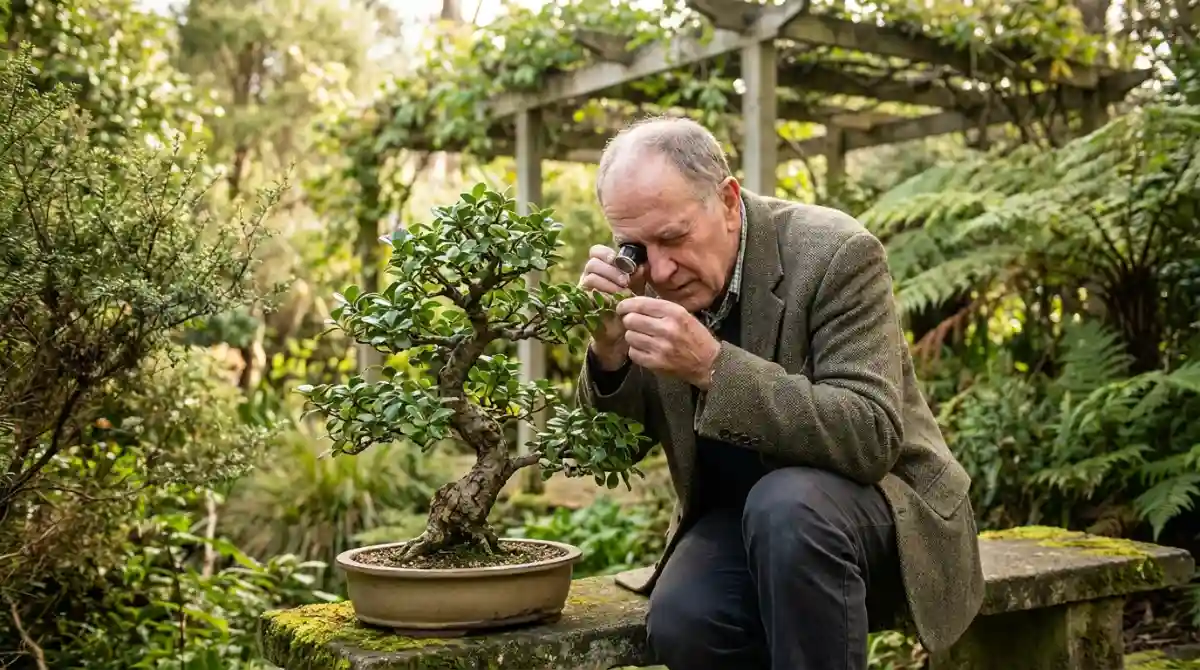
Regular observation is your most powerful tool. Spend time daily examining your trees. Look for subtle changes in leaf colour, texture, growth patterns, or any unusual spots or webbing. Early detection can mean the difference between a minor issue and a devastating infestation.
- Proper Watering: Over or under-watering stresses roots, making your bonsai vulnerable. Water when the topsoil feels dry, ensuring proper drainage.
- Balanced Nutrition: Use fertilizers formulated for bonsai or specific native species. Avoid over-fertilization, which can burn roots.
- Appropriate Pruning & Wiring: Sterilize tools before each use to prevent disease spread. Proper pruning promotes air circulation, reducing fungal risks.
- Suitable Environment: Provide adequate light, humidity, and protection from extreme weather, especially for NZ native species accustomed to specific local conditions.
Identifying Common Pests in NZ Bonsai
New Zealand is home to various garden pests that can unfortunately find their way to your bonsai collection. Knowing what to look for is the first step in effective NZ bonsai pest control. Here are some of the usual suspects:
- Aphids: Small, soft-bodied insects often found on new growth, sucking sap and causing distorted leaves. They can be green, black, or brown.
- Scale Insects: Tiny, immobile bumps on stems and leaves, often covered by a protective waxy shell. They also suck sap and excrete sticky honeydew.
- Spider Mites: Microscopic pests that create fine webbing, particularly on the undersides of leaves. Leaves may appear stippled or discoloured.
- Mealybugs: White, cottony masses found in leaf axils and crevices. They also suck sap and produce honeydew.
- Thrips: Slender, tiny insects that scrape plant tissue, leaving silvery streaks on leaves.
How to Conduct a Routine Bonsai Pest Inspection
- Step 1: Visual Scan. Begin by looking at the overall health of your bonsai. Are there any yellowing leaves, stunted growth, or unusual leaf drop?
- Step 2: Inspect New Growth. Pests often prefer tender new shoots. Carefully examine the tips of branches and new buds.
- Step 3: Check Underneath Leaves. Many pests, like spider mites and aphids, hide on the undersides of leaves. Use a magnifying glass if needed.
- Step 4: Examine Stems and Trunk. Look for scale insects, mealybugs, or any holes/burrows that might indicate borers.
- Step 5: Inspect the Soil Surface. Some pests, like fungus gnats, spend part of their life cycle in the soil.
Organic and Chemical Control Strategies for NZ Bonsai Pests
Once pests are identified, swift action is critical. The approach to NZ bonsai pest control can range from gentle organic methods to more robust chemical interventions, depending on the severity and type of infestation.
Organic Control Methods
- Manual Removal: For small infestations, physically remove pests with tweezers, a soft brush, or a strong jet of water.
- Insecticidal Soap: A non-toxic option that smothers soft-bodied pests. Ensure good coverage, especially on undersides of leaves. Follow product instructions carefully.
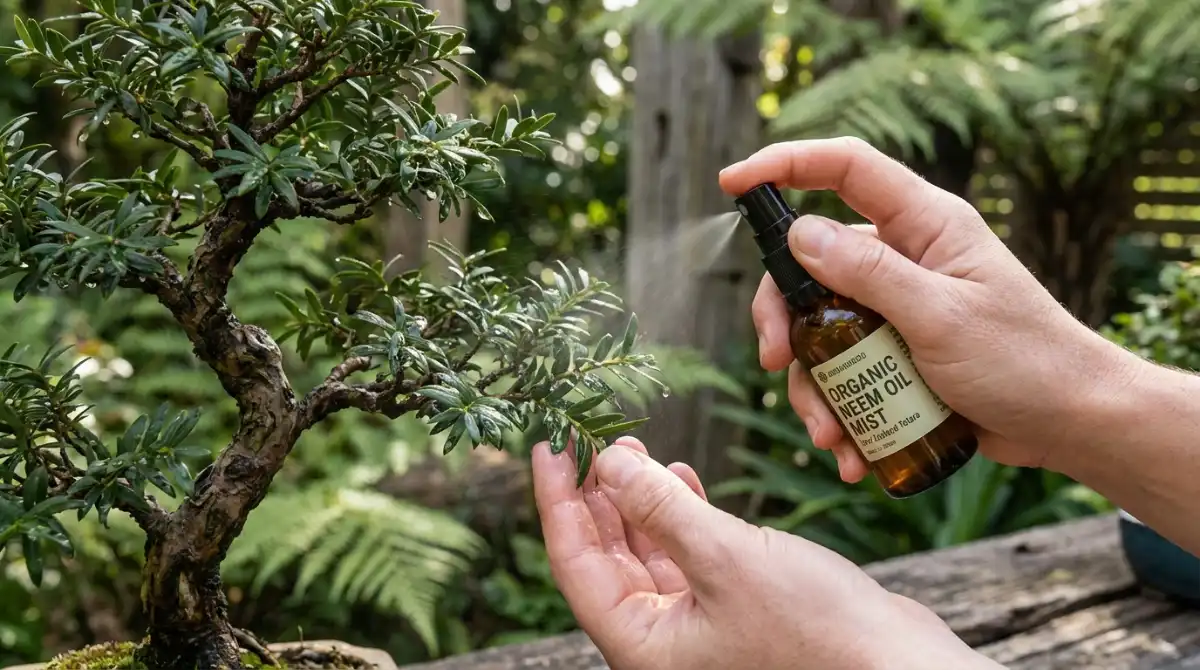
- Neem Oil: A natural insecticide and repellent that disrupts pest feeding and growth cycles. Effective against a wide range of pests.
- Beneficial Insects: Introduce natural predators like ladybugs or lacewings, particularly effective in enclosed or controlled environments.
Chemical Control Methods
Chemical pesticides should be a last resort, used judiciously and with extreme care, especially around native flora and fauna. Always choose products registered for use in New Zealand and specifically safe for ornamental plants.
“When employing chemical treatments for your bonsai, always read and strictly follow the manufacturer’s instructions, paying close attention to dilution rates, application methods, and safety precautions. Protect yourself and your environment.”
Your NZ Bonsai Pest Control Action Checklist
- Daily Check: Quickly scan your bonsai daily for obvious pest signs.
- Weekly Deep Dive: Perform a thorough inspection (as described above) weekly.
- Quarantine New Arrivals: Isolate any new bonsai for several weeks to prevent introducing pests to your collection.
- Cleanliness: Keep your growing area tidy. Remove fallen leaves and debris.
- Tool Sterilization: Clean and sterilize pruning tools before and after each use.
- Act Fast: At the first sign of pests, implement immediate, targeted action.
- Monitor & Repeat: After treatment, continue to monitor and repeat applications if necessary, especially with organic methods.
Diagnosing & Treating Bonsai Diseases in NZ
Beyond pests, bonsai can fall victim to various diseases, often caused by fungi, bacteria, or viruses. Proper diagnosis is key to effective treatment.
Common Bonsai Diseases & Symptoms
- Root Rot: Often caused by overwatering or poor drainage. Symptoms include yellowing leaves, wilting, and a foul smell from the soil. The roots will appear soft and black.
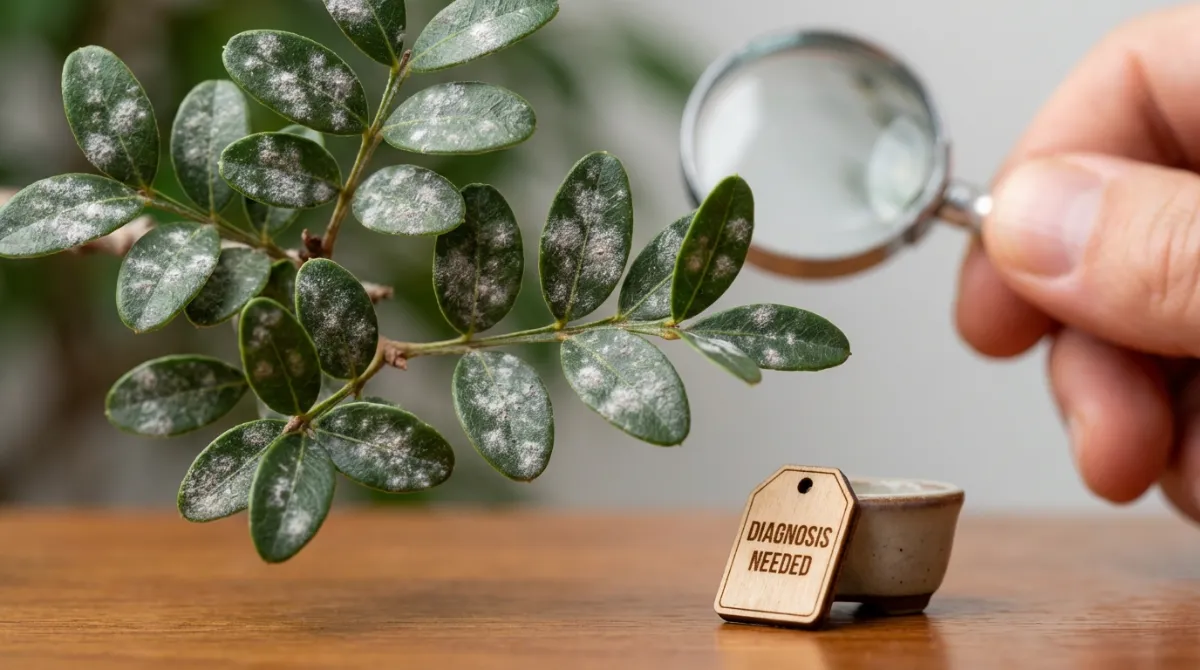
- Powdery Mildew: A fungal disease appearing as white, powdery spots on leaves and stems. Thrives in humid, poorly ventilated conditions.
- Leaf Spot Fungus: Characterized by dark spots (black, brown, or red) on leaves. Can lead to defoliation.
- Cankers: Sunken, discoloured lesions on stems or branches, caused by fungi or bacteria.
Treatment & Prevention
- For Root Rot: Immediately repot the bonsai in fresh, well-draining soil. Trim away all affected roots with sterilized tools. Ensure proper watering practices.
- For Fungal Diseases (Mildew, Leaf Spot): Improve air circulation, reduce humidity, and remove affected leaves. Fungicides (organic or chemical) can be applied according to instructions.
- For Cankers: Prune away infected branches well below the canker. Ensure tools are sterilized.
- General Prevention: Maintain good hygiene, ensure proper air circulation, avoid overhead watering late in the day, and provide adequate drainage.
Environmental Stressors & Prevention for NZ Bonsai
New Zealand’s climate, while beautiful, can present challenges for bonsai. Protecting your trees from environmental extremes is a key aspect of their long-term health.
- Wind: Strong winds can dehydrate leaves and damage delicate branches. Provide sheltered locations or windbreaks.
- Sun Exposure: While most bonsai need ample light, intense midday sun, especially during NZ summers, can scorch leaves. Consider partial shade during peak heat.
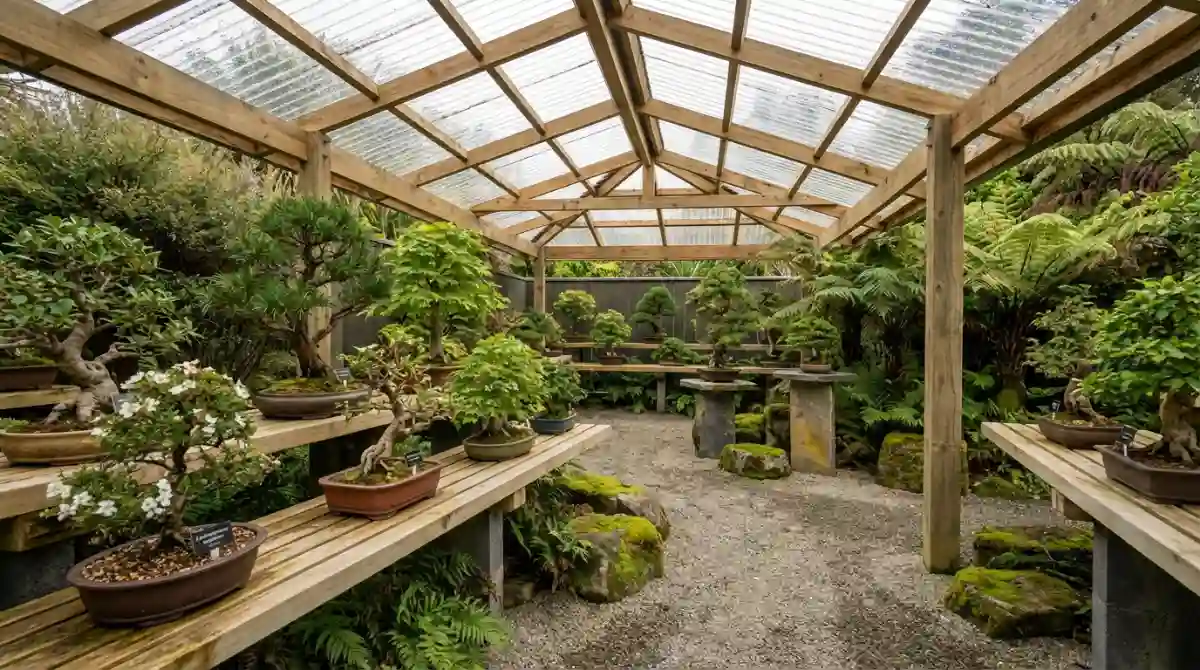
- Frost: Many bonsai, particularly subtropical natives, are sensitive to frost. During winter, move tender species to frost-free areas like greenhouses, cold frames, or sheltered patios.
- Humidity: Low humidity can stress trees. Use humidity trays, mist occasionally, or group plants to create a microclimate.
- Water Quality: Hard water or chlorinated water can affect soil pH and plant health over time. Consider using rainwater or filtered water.
Understanding the specific environmental tolerances of your bonsai species, particularly if they are unique NZ natives, will guide your placement and seasonal care decisions. A well-chosen location can prevent countless problems.
Nurturing Longevity: The Heart of NZ Bonsai Care
Caring for bonsai in New Zealand is a rewarding journey that blends horticultural expertise with artistic vision. By adopting a proactive approach to health, mastering NZ bonsai pest control, understanding disease management, and mitigating environmental stressors, you lay the foundation for a thriving collection.
Remember, your bonsai communicates its needs through subtle cues. Cultivate a keen eye and a responsive hand, and your miniature masterpieces will flourish, embodying the enduring beauty of nature for years to come. Dedication, observation, and timely intervention are the cornerstones of bonsai longevity.
Frequently Asked Questions About NZ Bonsai Health
-
What are the most common pests affecting bonsai in New Zealand?
In New Zealand, common bonsai pests include aphids, scale insects, spider mites, and mealybugs. Regular inspections are key to early detection and effective NZ bonsai pest control.
-
Are there specific organic pest control methods recommended for NZ native bonsai?
Yes, organic methods like manual removal, insecticidal soaps, and neem oil are highly recommended for NZ native bonsai. They are generally safe for the tree and the local environment when used correctly.
-
How often should I inspect my NZ bonsai for pests and diseases?
A quick visual scan daily and a thorough, detailed inspection weekly are ideal. This consistent vigilance allows for early detection and rapid intervention, crucial for effective NZ bonsai pest control and disease management.
-
What are the signs of root rot in bonsai, and how can it be treated?
Signs of root rot include yellowing leaves, wilting despite watering, and a foul smell from the soil. The roots will appear soft and black. Treatment involves immediate repotting into fresh, well-draining soil and carefully trimming away all affected roots with sterilized tools.
-
How can I protect my bonsai from environmental stressors in New Zealand’s climate?
Protect your bonsai from strong winds and intense midday sun with sheltered placement or partial shade. Move tender species to frost-free areas during winter. Maintain humidity with humidity trays or misting, and consider using rainwater or filtered water to avoid issues with hard water.