NZ Yamadori Principles: Ethical Collection & Cultivation of Wild Stock
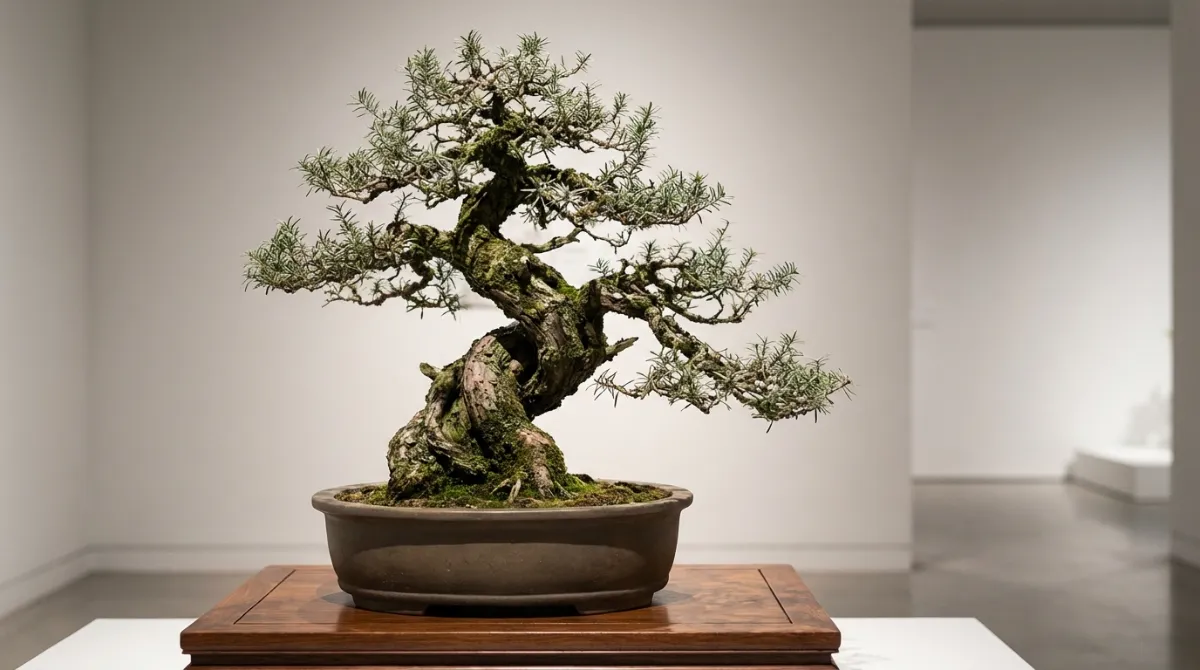
What You Will Learn
Discover the art of yamadori NZ with our comprehensive guide. Learn ethical collection, identifying native stock, step-by-step techniques, and cultivating wild bonsai for stunning results.
Embarking on the journey of yamadori NZ – the art of collecting wild trees for bonsai – is a profound way to connect with the rugged beauty and unique biodiversity of New Zealand. Unlike nursery stock, a wild-collected specimen, or ‘yamadori’, carries the indelible marks of its natural struggle: aged bark, dramatic trunk movement, and nebari sculpted by years of wind, rain, and challenging terrain. This intrinsic character is what makes yamadori so highly prized in the world of high-end bonsai. However, the pursuit of these living sculptures demands a deep understanding of ethical principles, legal guidelines, and specialized horticultural techniques to ensure both the plant’s survival and the preservation of our precious native ecosystems.
This comprehensive guide will walk you through the nuanced world of collecting and cultivating New Zealand native yamadori. From identifying prime specimens to mastering delicate excavation, and from initial stabilization to long-term artistic development, we’ll provide you with the expert knowledge needed to respectfully transform a piece of the wild Aotearoa landscape into a breathtaking bonsai masterpiece.
Table of Contents
- Introduction to Yamadori in New Zealand
- Legal and Ethical Considerations for Yamadori Collection in NZ
- Identifying Suitable NZ Native Yamadori Stock
- Collecting Techniques and Post-Collection Care
- Developing a Wild Collected Bonsai
- Frequently Asked Questions about Yamadori NZ
Introduction to Yamadori in New Zealand
Yamadori, a Japanese term meaning ‘mountain tree’, refers to the art of collecting trees from the wild for bonsai cultivation. In the context of New Zealand, this involves carefully selecting and extracting native flora specimens that exhibit characteristics suitable for bonsai. These traits often include natural dwarfism, rugged bark, twisted trunks, and dense branch structures, all shaped by the harsh realities of their natural environment. The allure of yamadori NZ lies in its authenticity – each collected tree tells a story of survival, offering a piece of the natural landscape transformed into a living work of art. Unlike cultivated nursery stock, which is often grown for speed and uniformity, yamadori embodies raw character and a unique aesthetic.
The pursuit of native New Zealand yamadori not only provides an opportunity for unparalleled artistic expression but also fosters a deeper appreciation for the country’s indigenous plant life. However, it is a practice laden with responsibility, demanding respect for the environment and strict adherence to legal and ethical guidelines. The aim is always conservation through cultivation, ensuring that the collection process is sustainable and causes no harm to the natural habitat or other protected species. This guide will help you navigate these critical aspects, empowering you to approach yamadori collection with confidence and integrity.
Legal and Ethical Considerations for Yamadori Collection in NZ
Before you even consider wielding a shovel, understanding the legal and ethical landscape of yamadori NZ is paramount. New Zealand has stringent laws protecting its native flora and fauna, and unauthorized collection can lead to significant penalties. Ethical conduct ensures the long-term sustainability of our natural heritage.
- Permission is Non-Negotiable: You absolutely must obtain explicit, written permission from the landowner before collecting anything from private property. For public lands, including Department of Conservation (DOC) administered areas, regional parks, or council reserves, collection is generally prohibited. Always assume it is illegal unless you have explicit, documented permission.
- Protecting Native Species: Many native New Zealand plants are rare, threatened, or legally protected. It is your responsibility to identify species correctly and ensure you are not disturbing protected flora or their habitats. If in doubt, do not collect.
- Minimal Impact: When granted permission, always strive for minimal disturbance. Avoid damaging surrounding vegetation, leaving no trace of your presence, and ensuring the stability of the remaining environment. Collect only what you need and what you can realistically care for.
- Site Sustainability: Never over-collect from a single site. Take only one or two specimens, allowing the population to regenerate naturally. Prioritize areas where the plant’s survival is genuinely threatened by land development, erosion, or pest control efforts (always with permission).
- Knowledge and Respect: Educate yourself thoroughly on native species identification, their specific growth habits, and their ecological roles. Approach each potential collection with deep respect for the plant’s life and its natural setting.
“The true art of yamadori isn’t just about shaping a tree; it’s about honoring its wild spirit and preserving its story through responsible stewardship.”
Identifying Suitable NZ Native Yamadori Stock
Finding the right native specimen for yamadori NZ bonsai requires a keen eye and an understanding of what makes a good candidate. Look for trees that have already been naturally ‘pre-bonsai’d’ by environmental factors.
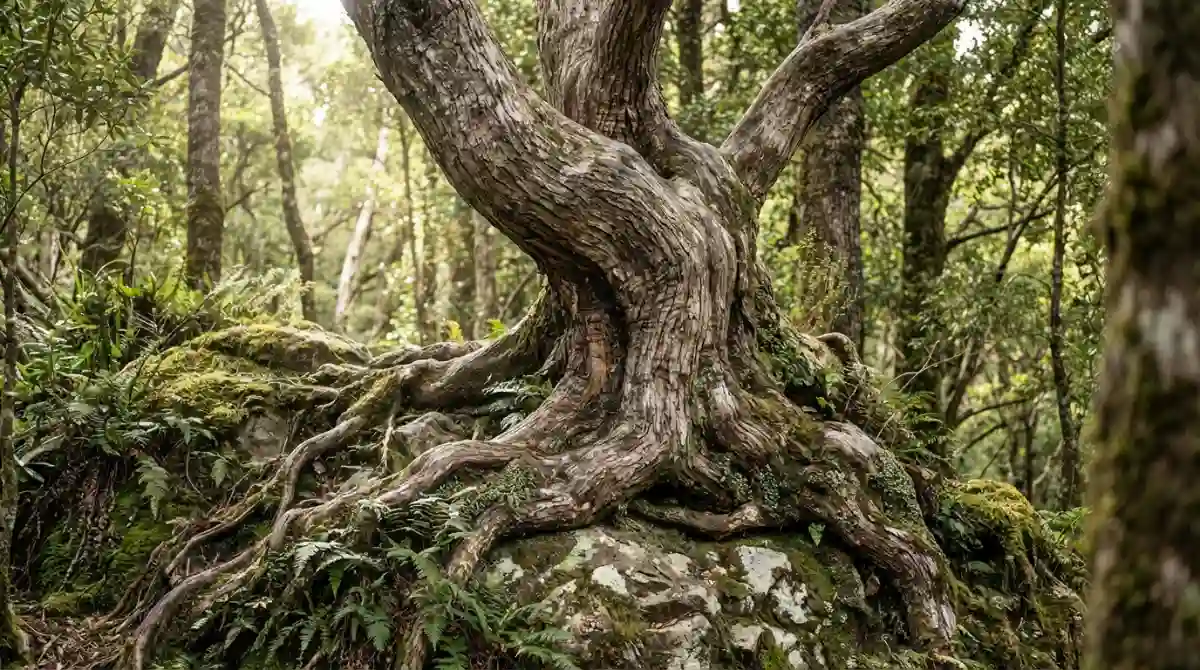
- Aged Bark and Trunk Taper: The most appealing feature is often an old, textured trunk with good taper (gradually thinning from base to apex). Look for trees growing in rocky crevices, exposed ridgelines, or areas with poor soil, as these conditions naturally restrict growth and promote character.
- Nebari (Root Flare): A strong, radial root flare anchoring the tree to the ground is highly desirable. This indicates stability and age.
- Branch Structure: Compact, well-ramified branching, especially lower on the trunk, means less initial work to establish primary branches. Deadwood (jin and shari) can add dramatic character, but ensure it’s stable.
- Foliage Size: Smaller leaves are generally preferred for bonsai, as they scale better with the reduced size of the tree. Many NZ natives naturally have small leaves, or their foliage reduces well with cultivation.
- Health and Vigor: The tree should appear healthy, free from significant disease or pest infestations. While struggling trees can have great character, a healthy tree is more likely to survive the collection process.
- Species Suitability: Excellent native species for yamadori include Totara (Podocarpus totara), particularly the smaller-leaved varieties; Kahikatea (Dacrycarpus dacrydioides); Miro (Prumnopitys ferruginea); Rimu (Dacrydium cupressinum) for its weeping habit; various Hebe species for their small leaves and flowers; and certain Manuka (Leptospermum scoparium) or Kanuka (Kunzea ericoides) for their gnarled trunks and floriferous displays.
Collecting Techniques and Post-Collection Care
Successfully collecting yamadori NZ is a delicate art, requiring precision and foresight. The goal is to maximize the root system’s integrity while minimizing shock to the plant. Here’s a step-by-step guide to maximize success and ensure the plant’s survival.
Step 1: Thorough Pre-Collection Planning
- Timing is Crucial: The ideal time for collection in New Zealand is typically late winter to early spring (July to September), just before the tree breaks dormancy. This allows the plant to focus energy on root regeneration as temperatures rise, aligning with best practices for Spring Care for Bonsai SH.
- Hydration: Thoroughly water the tree a few days before collection, especially if the ground is dry. This hydrates the tree and makes the soil easier to work with.
- Tools: Gather essential tools: a sharp, sterilized shovel, root saw, secateurs, strong gloves, wire cutters, a tarp or plastic sheeting, sphagnum moss, a spray bottle with water, and strong bags or containers for transport.
- Pre-Pruning (Optional): If the tree is very large, consider reducing some of the top growth a year or two in advance. This helps the tree consolidate energy into root development. Never remove more than 30% of the foliage during collection.

Step 2: Careful Excavation Techniques
- Create a Trench: Dig a trench around the tree, well outside the anticipated root ball, to assess the root spread. Aim for as large a root ball as is practical to carry.
- Expose Nebari: Carefully remove soil from the top to expose the nebari. This will help you decide on the ideal potting angle later.
- Undercutting: Systematically work your way under the root ball, using a root saw for thicker roots. Try to preserve as many fine feeder roots as possible, as these are vital for survival. Minimise soil loss from the root ball.
- Lift with Care: Once most roots are severed, carefully lever the tree out of the ground. Have a helper if the specimen is large. Avoid shaking or dropping the root ball.
Step 3: Immediate Post-Collection Care
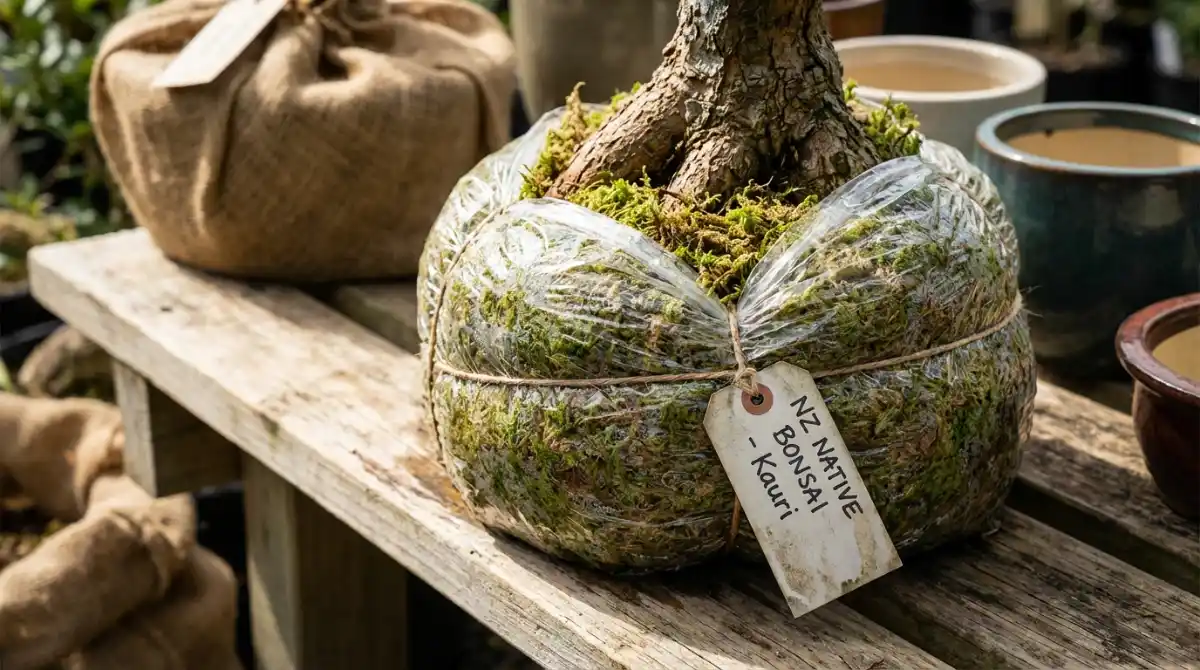
- Protect the Roots: Immediately wrap the root ball in damp sphagnum moss, then secure it with plastic wrap or a wet burlap sack to prevent drying out during transport.
- Temporary Potting: Once home, pot the tree into a well-draining, moisture-retentive substrate. A good mix for NZ natives often includes pine bark, pumice, and akadama or similar granular components. A shallow, wide container is often better than a deep one for initial establishment.
- Placement: Place the newly potted yamadori in a sheltered, shaded location, protected from wind and direct sun, minimizing Environmental Stressors Affecting Bonsai Health. Humidity is key for recovery.
- Watering and Misting: Water thoroughly, then mist the foliage and bark regularly to maintain humidity, especially during the first few weeks. Avoid overwatering, and familiarise yourself with Underwatering Bonsai Recovery techniques.
- Patience: Do not fertilize immediately. Allow the tree several months, or even a full growing season, to recover and establish new feeder roots before considering any significant styling or strong feeding.
Developing a Wild Collected Bonsai
Once your yamadori NZ specimen has settled and shown signs of vigorous growth – typically after one to three years – the real journey of transformation into a high-end bonsai begins. This phase requires a blend of artistic vision and horticultural expertise.
Step 1: Initial Repotting and Establishment
- First Bonsai Potting: After strong root development in the temporary container, the tree can be moved to its first proper Bonsai Pot Selection for Aesthetic Harmony. Choose a pot that complements the tree’s emerging style and size.
- Root Pruning: During repotting, carefully prune back some of the longer, coarser roots to encourage the development of finer, more fibrous roots closer to the trunk. Do not remove too much at once.
- Soil Mix: Continue to use a high-quality, free-draining bonsai substrate tailored to the specific needs of your native species. Ensure excellent aeration.
Step 2: Structural Pruning and Initial Styling
- Defining the Front: Identify the best ‘front’ for your tree, considering nebari, trunk movement, and branch placement.
- Primary Branch Selection: Select the primary branches that will form the main structure of your bonsai. Remove any unnecessary or poorly placed branches.
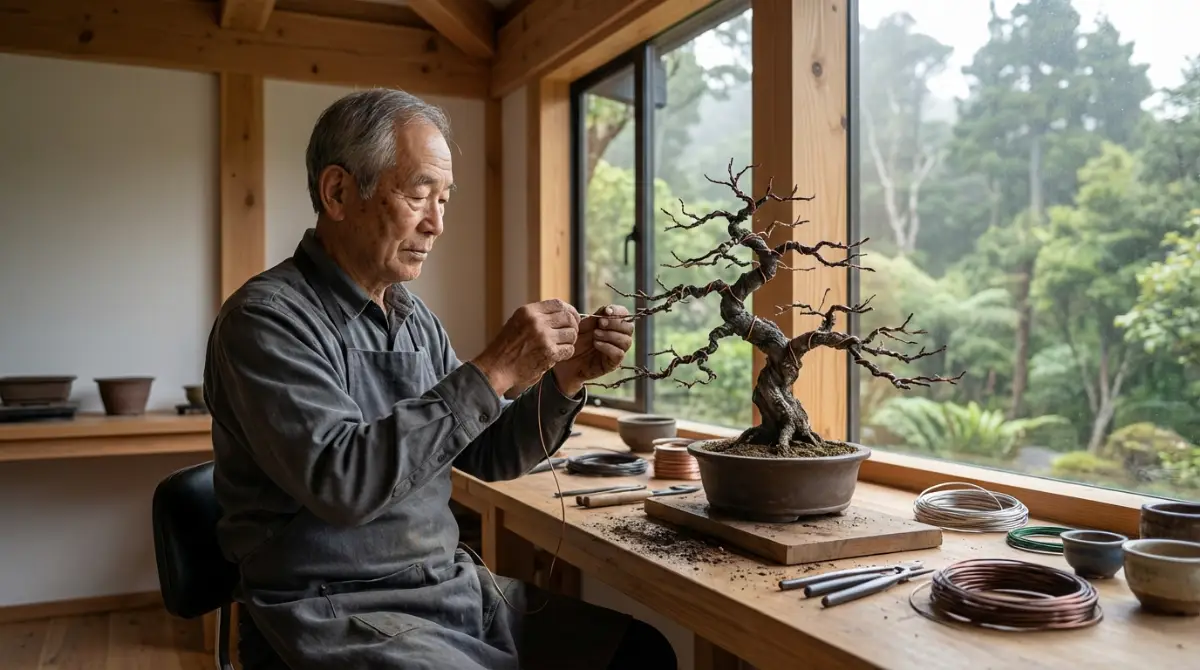
- Wiring: Apply anodized aluminum or copper wire carefully to primary branches to establish their initial direction and movement. Be gentle with native species, as some can be brittle.
- Deadwood Work: If the tree has natural deadwood (jin or shari), begin cleaning and preserving it. This can dramatically enhance the aged aesthetic of your yamadori.
Step 3: Ongoing Care and Refinement
- Regular Pruning: Continual pruning of new shoots helps to develop dense ramification and maintain the tree’s silhouette.
- Fertilisation: Once established, feed regularly during the growing season with a balanced Bonsai Soil, Fertilization & Nutrition fertilizer. Adjust feeding to suit species-specific needs.
- Pest and Disease Management: Monitor your tree for any signs of pests or diseases, particularly those common to native NZ plants. Address issues promptly.
- Seasonal Adjustments: Provide appropriate Maple Bonsai Cultivation: Seasonal Care and Styling, understanding concepts like Seasonal Inversion for Bonsai Care, and refer to a Seasonal Care Calendar for NZ Bonsai: A Month-by-Month Guide, including protection from extreme weather, especially during harsh winters or hot, dry summers.
- Artistic Vision: Regularly step back and evaluate your tree’s development. Yamadori work is a continuous process of refinement, allowing the tree to guide your artistic choices while enhancing its natural character.
Frequently Asked Questions about Yamadori NZ
Is it legal to collect yamadori in New Zealand?
No, generally it is not legal to collect plants from public land, DOC land, or private land without explicit, written permission from the landowner. It is crucial to understand and adhere to all legal requirements to protect New Zealand’s unique flora. Always verify permission before considering any collection.
What are the best NZ native species for yamadori bonsai?
Excellent native species include Totara (Podocarpus totara), Kahikatea (Dacrycarpus dacrydioides), Miro (Prumnopitys ferruginea), Rimu (Dacrydium cupressinum), and various Hebe varieties. Manuka and Kanuka also make superb yamadori. These species often exhibit characteristics desirable for bonsai, such as small leaves and interesting bark texture.
How do I increase the survival rate of a collected yamadori?
Key factors include careful excavation to preserve as much of the root system as possible, minimizing root disturbance, immediate wrapping of the root ball to prevent drying, proper soil mix upon potting (well-draining, moisture-retentive, often granular), and providing a stable, shaded, humid environment post-collection. Patience and consistent, gentle care are paramount.
When is the best time to collect yamadori in New Zealand?
The ideal time for collecting yamadori in New Zealand is typically in late winter to early spring (July to September), just before the trees break dormancy. This timing allows the plant to focus its energy on root regrowth as temperatures rise and new growth begins.