Advanced Aesthetic Refinement & Display: The Art of NZ Bonsai
Elevate your NZ native bonsai displays with advanced aesthetic refinement. Learn to master the bonsai display aesthetic NZ, integrating cultural elements, ideal ceramics, and the art of negative space for high-end artistry.
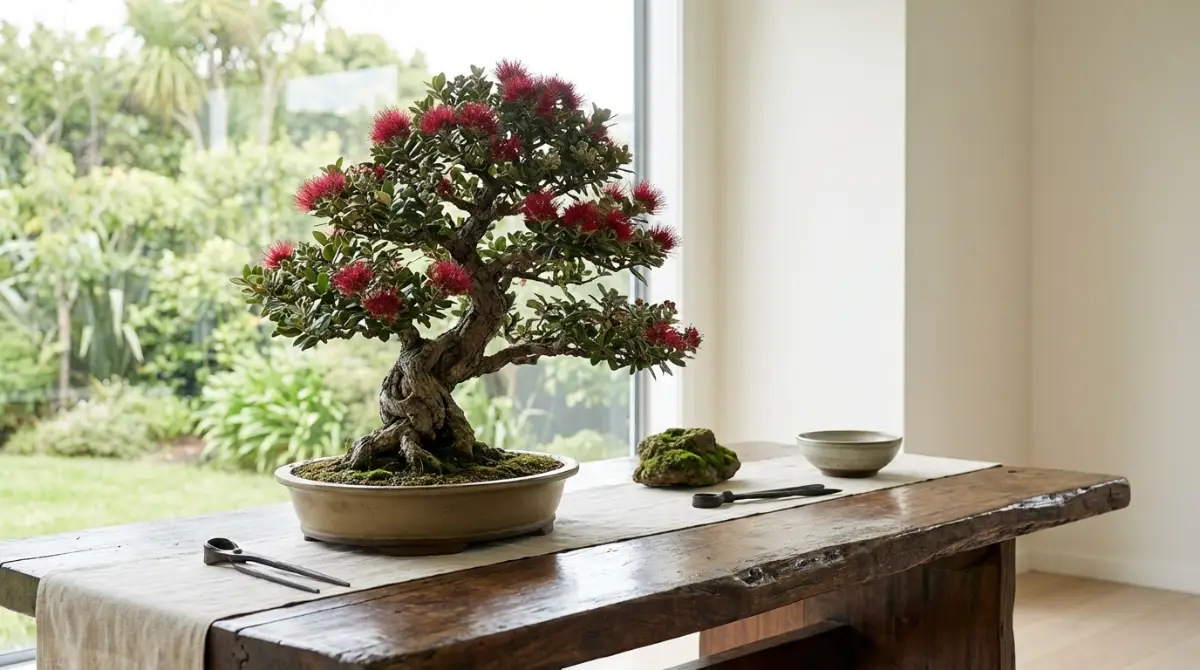
bonzai.co.nz
What You Will Learn
Elevate your NZ native bonsai displays with advanced aesthetic refinement. Learn to master the bonsai display aesthetic NZ, integrating cultural elements, ideal ceramics, and the art of negative space for high-end artistry.
The world of bonsai is often perceived through a traditional Japanese lens, yet the art form truly blossoms when infused with local spirit and advanced aesthetic understanding. For enthusiasts in Aotearoa, mastering the bonsai display aesthetic NZ offers a profound journey into horticultural artistry, transforming your native trees into compelling works of living sculpture. This isn’t just about placing a tree on a stand; it’s about curating an experience, telling a story, and honouring the unique spirit of New Zealand’s flora.
Dive deeper than basic styling and discover how to elevate your New Zealand native bonsai displays to a realm of high-end aesthetic refinement. We’ll explore the nuances of southern context, cultural integration, pot selection, and the critical role of space and proportion, ensuring your creations resonate with both beauty and authenticity.
Table of Contents
Beyond Basic Styling: Achieving High-End Aesthetics
Moving past fundamental pruning and wiring techniques, high-end bonsai aesthetics delve into the subtle art of presentation. It’s about creating a harmonious scene, where the tree, its pot, the stand, and accompanying elements (like kusamono or suiseki) coalesce into a single, profound statement. For the bonsai display aesthetic NZ, this means understanding the unique character of our native species and showcasing them in a way that feels both refined and authentic to their origin.
The goal is to evoke emotion, spark contemplation, and reveal the inherent beauty and age of the tree. This requires a keen eye for detail, a deep connection to nature, and an appreciation for the subtle interplay of elements.
Principles of Advanced Display Refinement: Step-by-Step
- Understanding ‘Ma’ (Negative Space): ‘Ma’ refers to the intentional use of empty space, which is as crucial as the physical elements themselves. It provides breathing room, drawing the viewer’s eye to the main subject and amplifying its presence. Consider the space around your tree, between its branches, and the overall negative space within the display area.
- The Importance of ‘Keshiki’ (Landscape View): While often associated with larger displays, the concept of ‘keshiki’ can be applied to individual bonsai. It’s about creating a miniature landscape, where the tree isn’t just a plant, but an ancient sentinel or a windswept survivor. Think about the story your tree tells and how the display enhances that narrative, mirroring elements you might find in a real New Zealand landscape.
- Seasonal & Contextual Considerations: A truly refined display evolves. Consider the season – a flowering kōwhai might be paired with a vibrant green kusamono, while a dormant totara benefits from the stark beauty of a dark, rustic stand. The display’s context, whether indoors, outdoors, or for exhibition, also dictates material and scale.
The Art of Bonsai Display in a Southern Context
New Zealand’s unique geography, climate, and endemic species present both challenges and unparalleled opportunities for bonsai artists. Unlike the deciduous forests of Japan, our native flora is predominantly evergreen, with distinct textures, growth habits, and associated cultural meanings. This ‘southern context’ demands a thoughtful departure from rigid traditional rules, fostering an innovative approach to the bonsai display aesthetic NZ.
“To truly honour an NZ native bonsai is to let its intrinsic character, shaped by our unique environment, guide its presentation.”
The light here, often clearer and more intense, influences how colours and forms are perceived. The materials available – from volcanic rocks to ancient timbers – offer a palette distinct from anywhere else. Embracing this context means developing an aesthetic that is uniquely Aotearoa, reflecting its rugged coastlines, lush forests, and serene mountainscapes.
Integrating NZ Cultural Elements in Display
Integrating Māori cultural elements and natural New Zealand materials respectfully and authentically is a powerful way to enhance the bonsai display aesthetic NZ. This is more than just decoration; it’s about imbuing your display with meaning and a sense of place. From the symbolism of particular wood types to the incorporation of traditional motifs, these elements can create a deeper connection between the viewer and the art.

Action Checklist: Incorporating Aotearoa’s Spirit
- Select Native Companion Plants (Kusamono): Instead of Japanese grasses, consider small native ferns (e.g., Asplenium species), miniature hebes, or tiny kōwhai seedlings to complement your main bonsai.
- Choose Natural Display Surfaces: Opt for stands crafted from native timbers like Kauri, Rimu, Matai, or even interesting pieces of driftwood found on New Zealand beaches (cleaned and treated, of course). Volcanic rock or river stones can also serve as natural pedestals.
- Consider Symbolic Elements: Subtly incorporate elements like polished pounamu (greenstone), carefully selected paua shell pieces, or abstract forms inspired by Māori carvings (koru, spiral motifs), ensuring they complement, not distract from, the tree.
- Source Local Artisan Pots: Seek out New Zealand potters who understand the aesthetic nuances of our native trees and craft unique, earthy ceramics that reflect the local landscape.
Ceramics & Pot Selection for NZ Natives
The pot is more than just a container; it’s an integral part of the overall composition, grounding the tree and enhancing its form. For the bonsai display aesthetic NZ, selecting the right ceramic involves understanding how pot characteristics interact with the specific traits of New Zealand’s native species. Our evergreens, with their often rugged bark and dense foliage, demand pots that can hold their own without overpowering them.
Consider earthy tones – deep greens, browns, and ochres – that resonate with our natural landscape. Matte or textured glazes often complement the raw beauty of native bark better than highly polished surfaces. The shape of the pot should also echo the tree’s style; a powerful, windswept totara might demand a sturdy, unglazed pot, while a delicate māhoe could benefit from a finer, glazed ceramic.
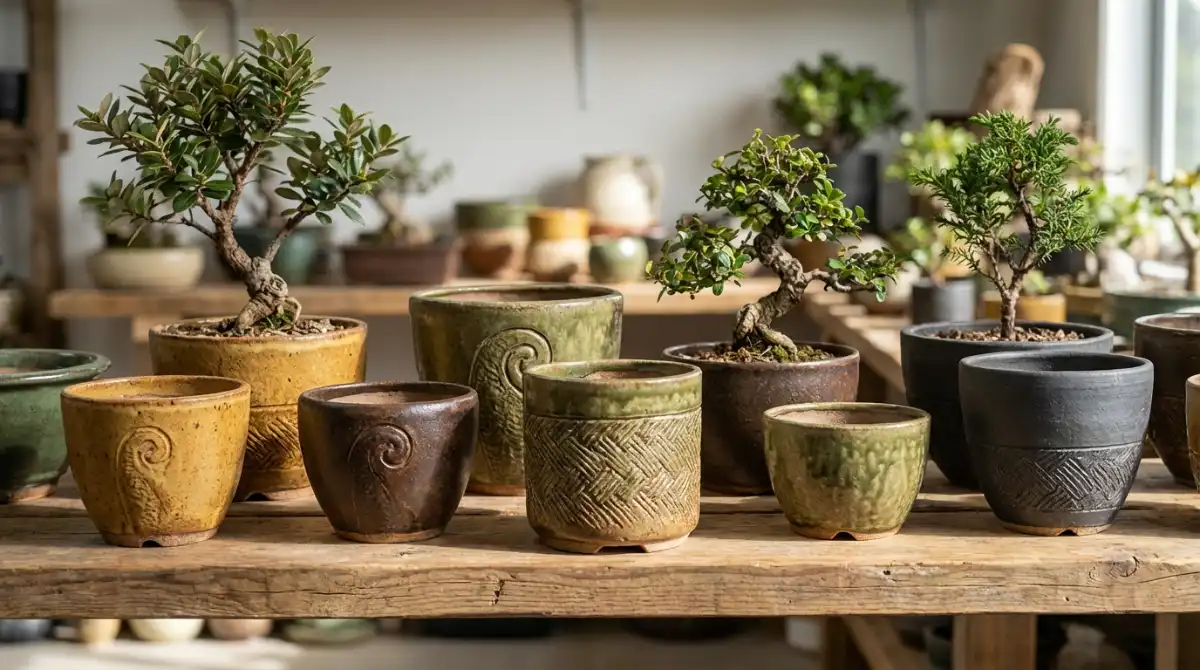
Supporting local potters not only ensures a unique piece but often provides ceramics specifically designed with the local climate and aesthetic in mind. These artisans often draw inspiration directly from the New Zealand environment, creating pots that are inherently aligned with native bonsai.
Mastering the Art of Negative Space & Proportion
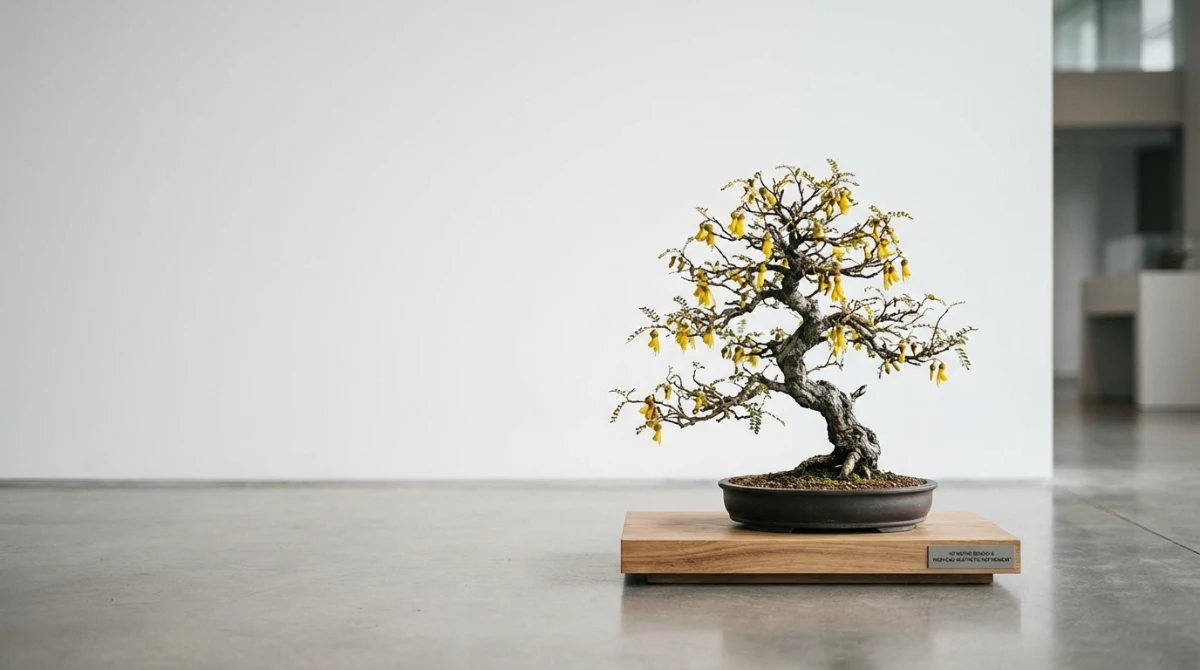
At the heart of any high-end bonsai display aesthetic NZ lies a profound understanding of negative space and proportion. These elements are not merely design principles; they are the unseen forces that lend balance, dynamism, and depth to your arrangement. As discussed earlier with ‘Ma’, the empty space around and within your display is crucial for defining the subject and guiding the viewer’s eye.
Proportion dictates the harmonious relationship between all elements – the tree, its pot, the stand, and any accompanying items. A common guideline is to ensure the pot’s depth is no more than two-thirds the trunk’s diameter, and the stand’s height complements the overall height and width of the tree and pot combination, without dominating the view. Asymmetry is often preferred over perfect symmetry, creating more natural and engaging compositions.
Think about the ‘rule of thirds’ in photography, applying it to your display. Imagine dividing your display area into a 3×3 grid; placing focal points (like the tree’s apex or a key branch) along these lines or intersections can create a more dynamic and aesthetically pleasing arrangement. The goal is to achieve visual equilibrium, where every component contributes to a sense of completeness and peace.
Frequently Asked Questions
How do I choose the right stand for my NZ native bonsai?
The stand should complement the tree and pot without overpowering them. For NZ native bonsai, consider stands crafted from local timbers (Rimu, Kauri, Matai) with a natural finish. The height should elevate the tree to an appropriate viewing level, and its shape should echo or subtly contrast with the tree’s style. Avoid overly ornate stands for rugged native species; simplicity often works best for the bonsai display aesthetic NZ.
What are common mistakes to avoid in bonsai display aesthetic NZ?
Common mistakes include overcrowding the display with too many elements, using non-native materials that clash with the tree’s character, selecting a pot that’s disproportionate in size or colour, or failing to consider the viewing angle. Another pitfall is ignoring ‘Ma’ (negative space), making the display feel cramped. Always aim for balance, simplicity, and authenticity to the New Zealand context.
Can I display NZ native bonsai indoors permanently?
Most NZ native bonsai species require outdoor conditions to thrive due to specific light, humidity, and temperature needs. While they can be brought indoors temporarily for display (a few days at a time, especially for exhibitions), permanent indoor placement is generally not recommended as it can weaken the tree. Always research the specific light and environmental needs of your species.
Where can I find artisans who craft display elements in New Zealand?
Look for local potters and woodworkers at craft markets, art galleries, and specialist bonsai nurseries. Online platforms like Etsy or dedicated New Zealand artisan directories can also connect you with skilled craftspeople. Many bonsai clubs across New Zealand also have members who create their own stands and pots, and they can often recommend local talent focused on the bonsai display aesthetic NZ.