Kauri Bonsai: Challenges and Long-Term Care of a Majestic Native
What You Will Learn
Master kauri bonsai care with our expert guide. Learn about environmental needs, long-term styling, and conservation for this majestic native New Zealand tree.
Kauri Bonsai: Challenges and Long-Term Care of a Majestic Native
The Kauri (Agathis australis) stands as a titan of the New Zealand forest, a living legend steeped in history and reverence. Its towering presence, ancient lineage, and unique growth patterns make it an utterly captivating subject for bonsai enthusiasts. However, translating this majestic native into a miniature art form is an endeavour fraught with unique challenges, requiring profound patience, specific environmental considerations, and a deep understanding of its botanical nuances. This comprehensive guide delves into the intricate world of kauri bonsai care, offering expert insights to help you cultivate and sustain these magnificent living sculptures.
Table of Contents
The Appeal and Rarity of Kauri Bonsai
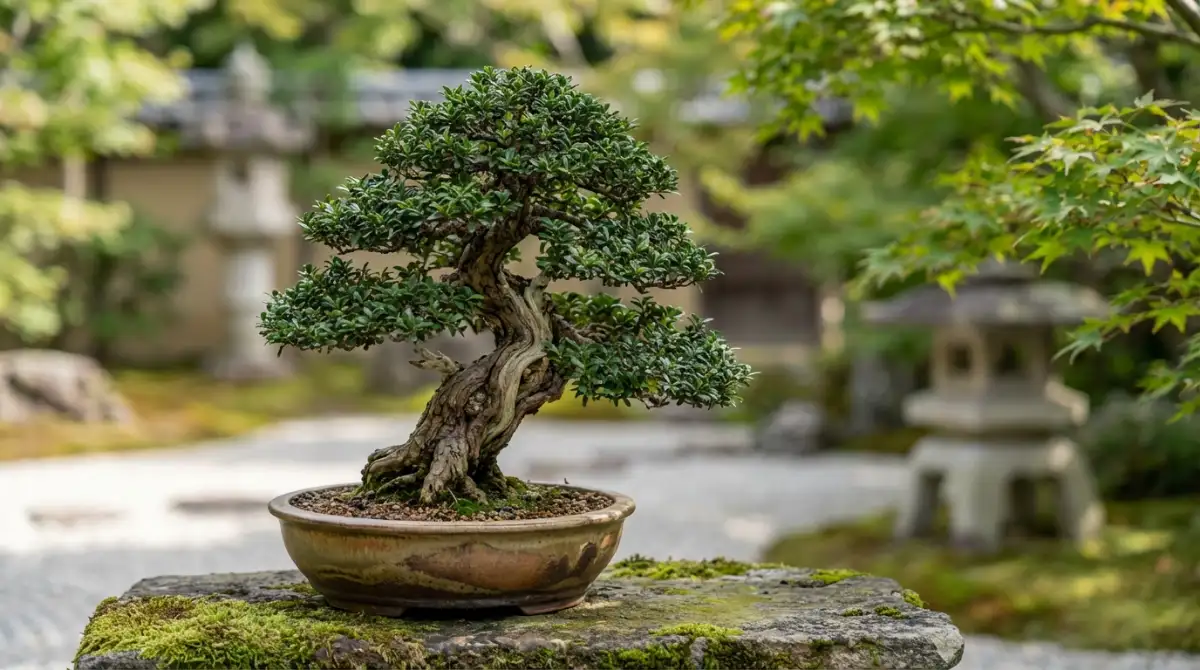
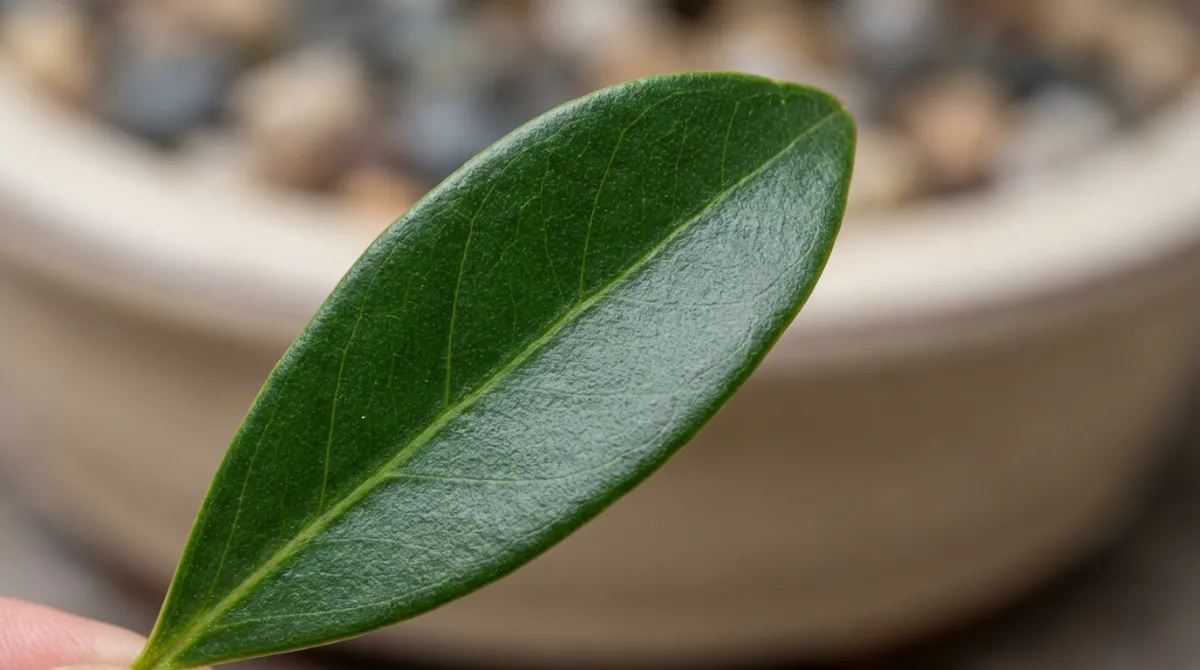
Kauri bonsai are not merely potted trees; they are living testaments to an ancient lineage, embodying the enduring spirit of New Zealand’s native forests. Their distinctive smooth bark, emerging bronze leaves that mature to a deep green, and impressive structural presence lend themselves to bonsai aesthetics that are both unique and profoundly moving. The challenge of successfully cultivating a Kauri in miniature, however, is immense, making healthy, established Kauri bonsai a rare and highly prized specimen.
Unlike more commonly used bonsai species, Kauri possess a formidable will to grow large and slow. Their natural habitat is one of vast forests and long lifespans, sometimes exceeding 2,000 years. Replicating the conditions for this longevity and aesthetic refinement in a confined pot demands an unparalleled level of dedication and technical skill in kauri bonsai care. It’s a journey that truly tests the boundaries of horticultural artistry.
Specific Environmental Needs of Kauri
Successful kauri bonsai care hinges on meticulously replicating the environmental conditions of its native habitat. Deviation from these specific requirements can quickly lead to stress or decline. Patience and vigilance are paramount.
-
1. Climate and Humidity Considerations
Kauri naturally thrive in warm, humid subtropical climates. For bonsai, this means protection from frost is absolutely critical; young Kauri are particularly sensitive. In cooler regions, indoor overwintering in a bright, humid environment (such as a greenhouse or a well-lit room with a humidity tray) is essential. High humidity year-round helps prevent leaf scorch and promotes healthy growth, especially during dry periods. Understanding specific Seasonal Inversion for Bonsai Care can be crucial for adapting to varying climates.
-
2. Soil Composition for Optimal Health
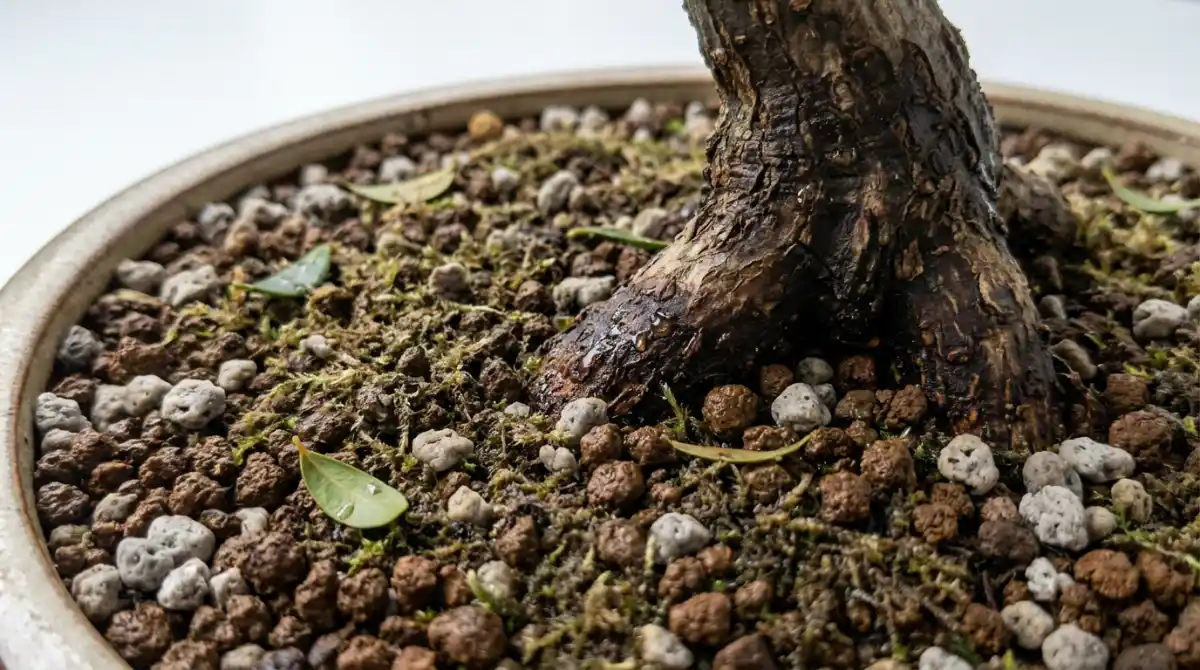
The ideal soil for kauri bonsai care must be free-draining yet retain adequate moisture. A slightly acidic pH is preferred, mimicking their natural forest floor. A good mix might include akadama, pumice, and a small amount of high-quality composted pine bark or peat moss for acidity and organic matter. For a comprehensive guide on cultivating optimal growing conditions, including detailed insights into Bonsai Soil, Fertilization & Nutrition, explore our dedicated resources. Avoid heavy, water-retentive soils that can lead to root rot, a common pitfall for this species.
-
3. Precise Watering Practices
Consistency is key. Kauri prefer consistently moist, but never waterlogged, soil. Water thoroughly when the top inch of soil begins to dry out. Consistency is vital; avoid both prolonged dryness and waterlogging. Should your bonsai experience prolonged dryness, refer to our guide on Underwatering Bonsai Recovery for expert advice. The frequency will vary with pot size, climate, and time of year. During warmer months, daily watering might be necessary, while in cooler periods, it may be less frequent. Ensure excellent drainage to prevent standing water, which can be fatal.
-
4. Light Requirements for Vigorous Growth
Young Kauri require bright, indirect light, gradually tolerating more direct sun as they mature. In their native habitat, they often start under a canopy, reaching for the light. For bonsai, provide a location with good morning sun and protection from intense midday and afternoon sun, particularly in hot climates. Too much direct, harsh sun can scorch the delicate leaves, while too little will result in leggy, weak growth.
Slow Growth and Long-Term Styling
Working with Kauri bonsai is a test of patience, as their growth rate is inherently slow. This characteristic, while challenging for quick development, also makes them incredibly stable once established and contributes to the impression of great age even in relatively young specimens. For insights into the distinct seasonal requirements and styling techniques of other prominent species, consider our detailed guide on Maple Bonsai Cultivation: Seasonal Care and Styling. Pruning should be minimal and strategic, focusing on encouraging ramification rather than aggressive reduction.
Stat Callout: Wild Kauri trees can live for over 2,000 years, growing less than an inch in diameter per year during their prime. This reinforces the need for extreme patience and a multi-generational approach to kauri bonsai care and styling.
Pruning and Shaping Techniques
Pruning should primarily occur during the growing season (spring/early summer). Kauri tend to bleed sap when cut, so use sharp, clean tools and apply cut paste to larger wounds. Focus on removing crossing branches, weak growth, and shaping the canopy for aesthetic balance. Wiring can be used, but Kauri bark is delicate; ensure wire is applied loosely and monitored frequently to prevent scarring. Alternative shaping methods like guy wires and clip-and-grow are often preferred for their gentler approach to kauri bonsai styling.
Repotting Schedule and Root Care
Due to their slow growth, Kauri bonsai generally require repotting less frequently than many other species – typically every 3-5 years for mature specimens, and perhaps every 2-3 years for younger, developing trees. The best time to repot is in early spring as new growth begins. For detailed insights into seasonal management, particularly during this crucial period, consider our guide on Spring Care for Bonsai SH. Be conservative with root pruning, removing only the thickest circling roots and refreshing the soil mix. Minimize disturbance to the fine feeder roots. After repotting, place the tree in a sheltered, humid environment for a few weeks to aid recovery.
Protection and Conservation Considerations
Cultivating Kauri bonsai carries with it a significant responsibility towards conservation. Kauri forests are a precious and increasingly vulnerable ecosystem in New Zealand. Ensure any Kauri material for bonsai is ethically and legally sourced, preferably from reputable nurseries propagating from seed or cuttings, rather than wild collection.
A critical concern for all Kauri, including bonsai, is Kauri Dieback disease (Phytophthora agathidicida). This soil-borne pathogen is devastating and has no known cure. To protect your Kauri bonsai and prevent the spread:
- Always use sterile tools and fresh, sterile soil mixes.
- Avoid sharing tools or soil with other Kauri enthusiasts unless thoroughly disinfected.
- Clean shoes and equipment if you’ve been in areas with native Kauri forests.
- Monitor your tree for signs of disease, such as yellowing leaves, thinning canopy, or gum bleeding from the trunk.
Your commitment to responsible kauri bonsai care extends beyond the pot to the wider ecosystem, contributing to the preservation of this iconic species.
Inspiring Kauri Bonsai Examples
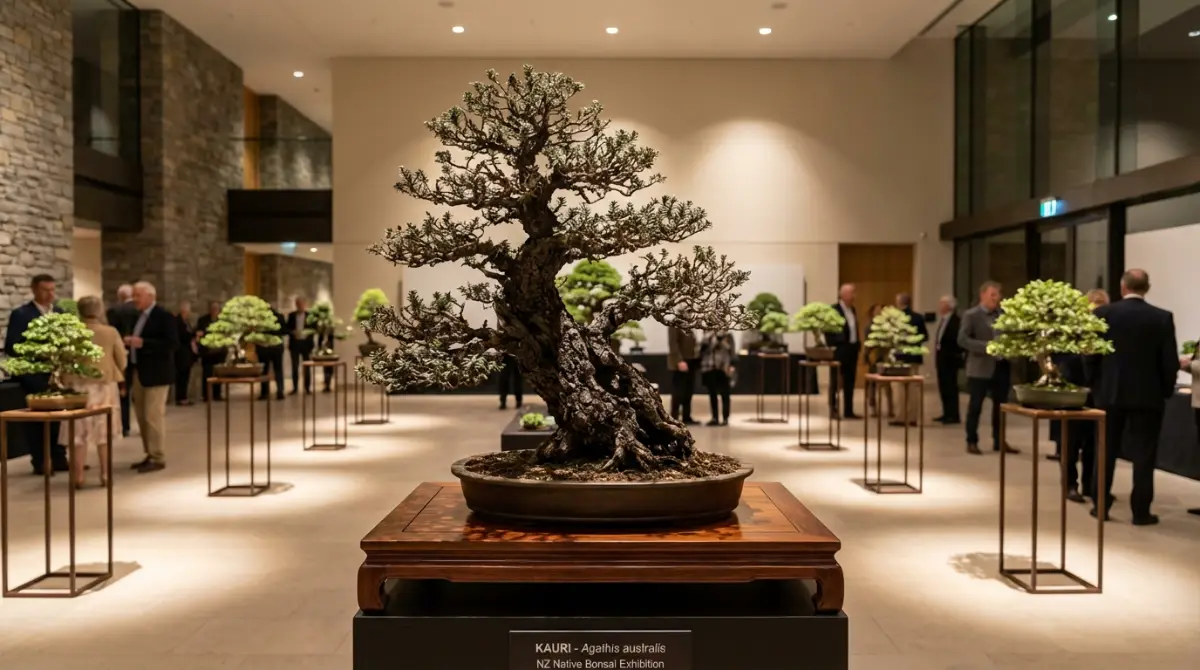
While challenging, the reward of a well-developed Kauri bonsai is immense. Existing examples, often cultivated over decades, showcase the incredible potential of this species in miniature. They demonstrate unique styling opportunities, from formal upright to semi-cascade, highlighting the Kauri’s naturally strong trunk and elegant branch structure. These masterpieces serve as inspiration, proving that with diligent kauri bonsai care and a vision for the future, one can truly capture the essence of New Zealand’s mighty forests. For a deeper dive into aesthetic principles and diverse forms, refer to our guide on Developing Bonsai Styles: Classic Forms & Modern Twists.
Frequently Asked Questions About Kauri Bonsai
- How difficult is it to grow Kauri as a bonsai?
Kauri are considered highly challenging for bonsai due to their specific environmental needs, slow growth rate, and susceptibility to Kauri Dieback. They require significant expertise and dedication compared to more common bonsai species, such as the juniper, for which you can find a comprehensive Juniper Bonsai Care Guide on our site.
- What is the best soil mix for Kauri bonsai?
A well-draining, slightly acidic mix is crucial. Components like akadama, pumice, and a small amount of composted pine bark or peat moss are often recommended to achieve the right balance of drainage and moisture retention.
- How often should I water my Kauri bonsai?
Water thoroughly when the top inch of soil begins to dry out. Consistency is vital; avoid both prolonged dryness and waterlogging. Frequency depends on climate, pot size, and time of year.
- Can Kauri bonsai be grown indoors?
In cooler climates, Kauri bonsai must be overwintered indoors in a bright, humid environment protected from frost. They can be moved outdoors during warmer months, provided they receive appropriate light and humidity.
- What are the main risks to Kauri bonsai?
The primary risks are Kauri Dieback disease, frost damage, improper watering (either too much or too little), and insufficient humidity. Careful attention to kauri bonsai care can mitigate most of these.