NZ Native Species Spotlight & Ecology for Bonsai
Discover the best NZ native bonsai species, their unique ecology, and expert cultivation techniques. Elevate your bonsai artistry with stunning New Zealand flora.
bonzai.co.nz
What You Will Learn
Discover the best NZ native bonsai species, their unique ecology, and expert cultivation techniques. Elevate your bonsai artistry with stunning New Zealand flora.
Unlocking the Potential: NZ Native Bonsai Species for Exquisite Artistry
Imagine a miniature forest, not of cherry blossoms or Japanese maples, but of a majestic Pohutukawa, a resilient Totara, or a delicate Manuka, perfectly sculpted into a living work of art. New Zealand’s unique flora offers an extraordinary, yet often overlooked, palette for bonsai enthusiasts. Far from merely mimicking traditional styles, cultivating NZ native bonsai species is about understanding and celebrating the raw, untamed beauty of Aotearoa’s natural landscape in miniature form.
This comprehensive guide delves into the fascinating world of New Zealand native trees suitable for bonsai, exploring their unique ecological requirements, growth habits, and the specialized techniques needed to transform them into stunning, high-end aesthetic masterpieces. Prepare to elevate your bonsai journey by embracing the distinctive character of our indigenous plants.
Table of Contents
Understanding Native Ecology for Cultivation
To successfully cultivate NZ native bonsai species, one must first appreciate the unique ecological niches from which they originate. New Zealand’s isolation has led to a highly specialized flora, adapted to diverse microclimates, often nutrient-poor soils, and specific rainfall patterns. Replicating these conditions, even on a miniature scale, is paramount for the health and vitality of your bonsai.
Microclimates & Soil Composition
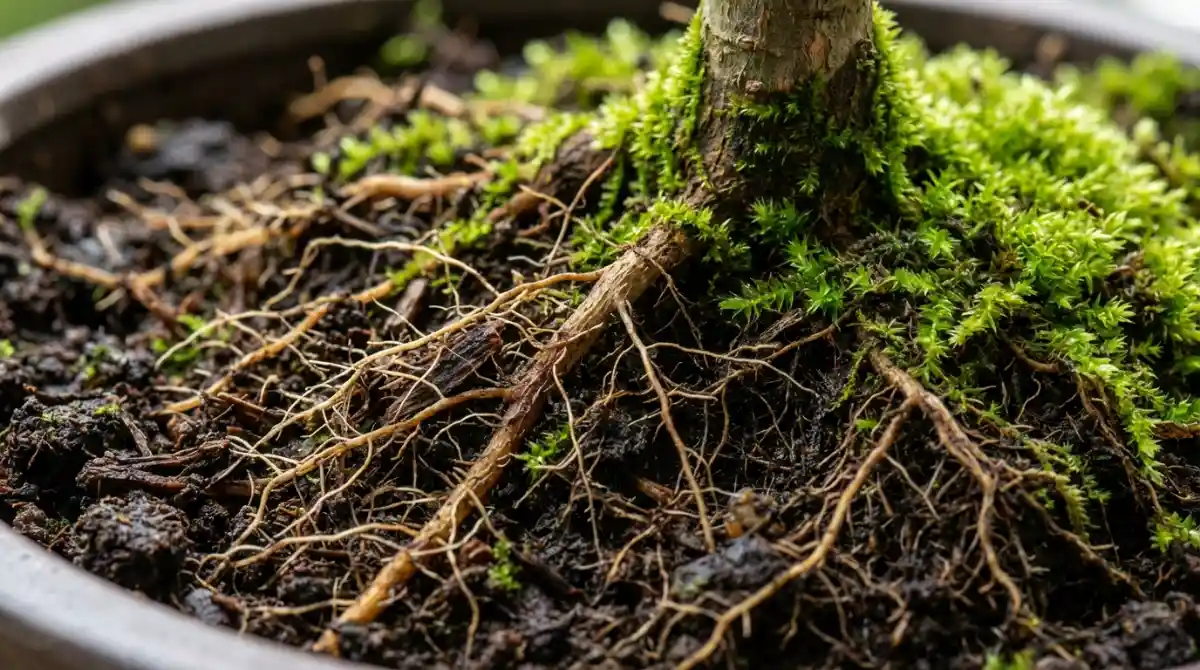
Unlike many introduced species, New Zealand natives often thrive in specific soil compositions. Many prefer well-draining, slightly acidic soils, often rich in organic matter but not overly fertile. Consider using a bonsai mix that mimics their natural environment: a blend of akadama, pumice, and bark fines with a small amount of peat or coco coir. Protecting them from extreme temperatures, especially harsh frosts in non-hardy species, and providing adequate air circulation is crucial for their long-term health. Understanding your specific species’ natural habitat—coastal, forest edge, or alpine—will guide your environmental setup.
Water Requirements & Humidity
New Zealand’s climate is generally humid, and many native species appreciate consistent moisture without being waterlogged. While some coastal species are drought-tolerant, most forest natives prefer consistent soil moisture. Pay close attention to drainage to prevent root rot, a common issue with overwatering. Misting can help increase ambient humidity, especially during dry spells or indoors, benefiting species accustomed to lush, damp forest undergrowth.
“To truly master NZ native bonsai, one must become a student of the bush. Observe, learn, and then adapt, never forgetting the wild spirit contained within each miniature tree.”
Detailed Species Profiles for Bonsai
Here, we highlight several magnificent NZ native bonsai species that lend themselves exceptionally well to bonsai cultivation, offering unique forms and characteristics.
Pohutukawa (Metrosideros excelsa)
Known as New Zealand’s ‘Christmas Tree,’ the Pohutukawa is a striking coastal tree with leathery leaves and vibrant crimson flowers. It develops a strong, gnarled trunk and aerial roots naturally, making it an excellent candidate for aged, characterful bonsai. Its ability to withstand coastal winds gives it an inherent ruggedness that translates beautifully into powerful bonsai forms.
- Key Traits: Thick, textured bark; small, leathery leaves; aerial roots; vibrant flowers.
- Bonsai Suitability: Excellent for formal upright, informal upright, slanted, and root-over-rock styles. Responds well to pruning.
- Care Notes: Prefers full sun, well-draining soil. Frost tender when young, protect in winter. Feed moderately.
Totara (Podocarpus totara)
A majestic conifer, the Totara is revered for its strong timber and longevity. Its small, needle-like leaves (juvenile forms can be more spiky) and developing exfoliating bark give it a unique appeal. Totara can develop impressive girth over time, embodying ancient wisdom in miniature.
- Key Traits: Small, dark green needle-like leaves; reddish-brown, often peeling bark; dense foliage.
- Bonsai Suitability: Excellent for upright styles, group plantings, and large-scale bonsai. Can be slow-growing initially.
- Care Notes: Prefers moist, well-draining soil. Tolerant of a range of conditions once established. Protect from harsh winds.
Rewarewa (Knightia excelsa)
The New Zealand honeysuckle boasts unique, serrated leaves and striking, deep red toothbrush-like flowers. Its distinctive foliage offers a bold textural element in bonsai. While less common, its upright growth and unique character make it a rewarding choice for the adventurous enthusiast.
- Key Traits: Long, narrow, serrated leaves; distinctive flower spikes; upright growth.
- Bonsai Suitability: Interesting for informal upright and slanted styles. Unique foliage makes it a statement piece.
- Care Notes: Prefers sheltered, moist, well-draining conditions. Can be sensitive to strong winds.
Manuka & Kanuka (Leptospermum scoparium/ericoides)
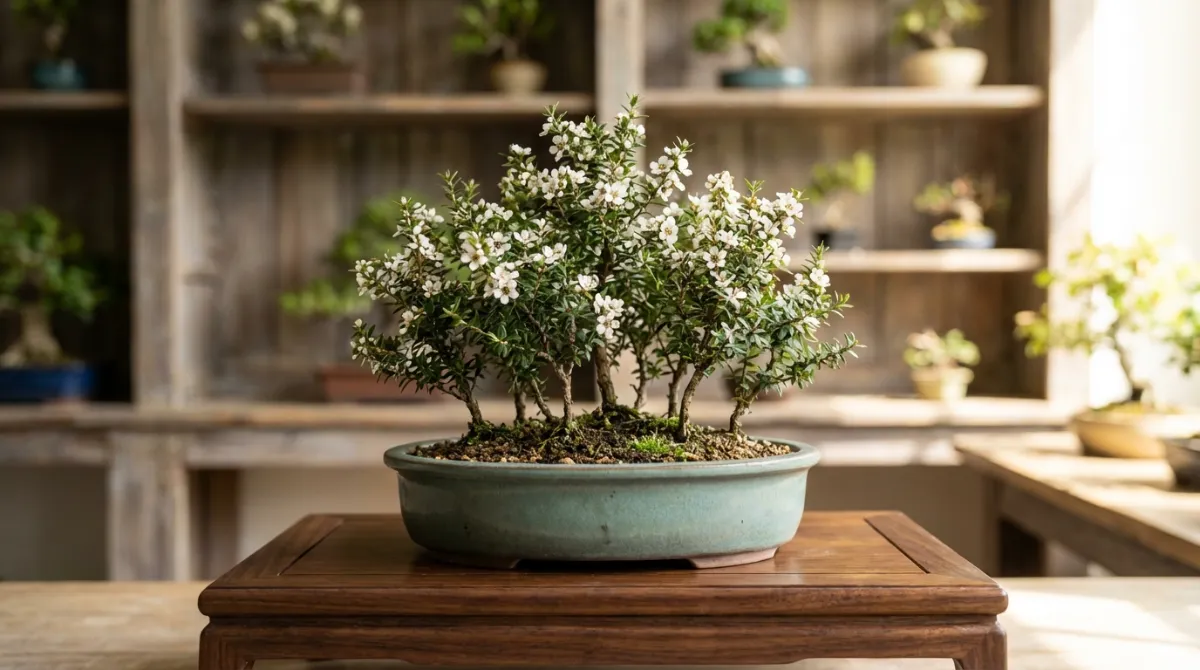
These shrubby trees, famous for their medicinal honey, are fantastic for bonsai due to their small leaves, dense branching, and ability to flower profusely. They are incredibly tough and adaptable, making them forgiving for beginners and versatile for various styles.
- Key Traits: Tiny, aromatic leaves; profuse small white or pink flowers; fine branching.
- Bonsai Suitability: Versatile for almost all styles, especially informal upright, literati, and group plantings.
- Care Notes: Full sun, well-draining soil (acidic preferred). Prune regularly to maintain shape. Tolerant of various conditions.
Sustainable Sourcing & Propagation
Responsible sourcing is crucial when working with NZ native bonsai species to ensure the preservation of these precious plants in their natural habitats. Instead of collecting from the wild, which can be detrimental, focus on propagation.
Step 1: Seed Propagation
Collecting seeds directly from mature native trees (with landowner permission) or purchasing them from reputable native plant nurseries is an excellent starting point. Many native seeds require specific stratification (cold or warm periods) or scarification (breaking dormancy) techniques. Research the specific requirements for your chosen species to maximize germination success. Patience is key, as some seeds can take months to sprout.
Step 2: Cutting Propagation
Softwood or semi-hardwood cuttings taken in spring or early summer are an effective method for many native species. Use a rooting hormone and provide a warm, humid environment to encourage root development. This method ensures your new plant is genetically identical to the parent, preserving desirable traits.
Step 3: Responsible Sourcing
If you prefer to start with a young plant, always purchase from certified native plant nurseries. These nurseries typically grow plants from ethically sourced seeds or cuttings, ensuring genetic diversity and preventing pressure on wild populations. Avoid purchasing from unverified sources to prevent the spread of pests or diseases and to support conservation efforts.
Adapting Global Techniques to NZ Natives
While the fundamental principles of bonsai remain universal, applying them to NZ native bonsai species requires a nuanced approach. Their unique growth habits, wood characteristics, and environmental preferences necessitate careful adaptation of traditional techniques.
Action Checklist for NZ Native Bonsai
- Understand Native Growth Habits: Before wiring or major pruning, research how your chosen species grows in the wild. Does it naturally develop strong taproots? Does it branch profusely or grow slowly? Mimic these natural tendencies for a more authentic and healthier bonsai.
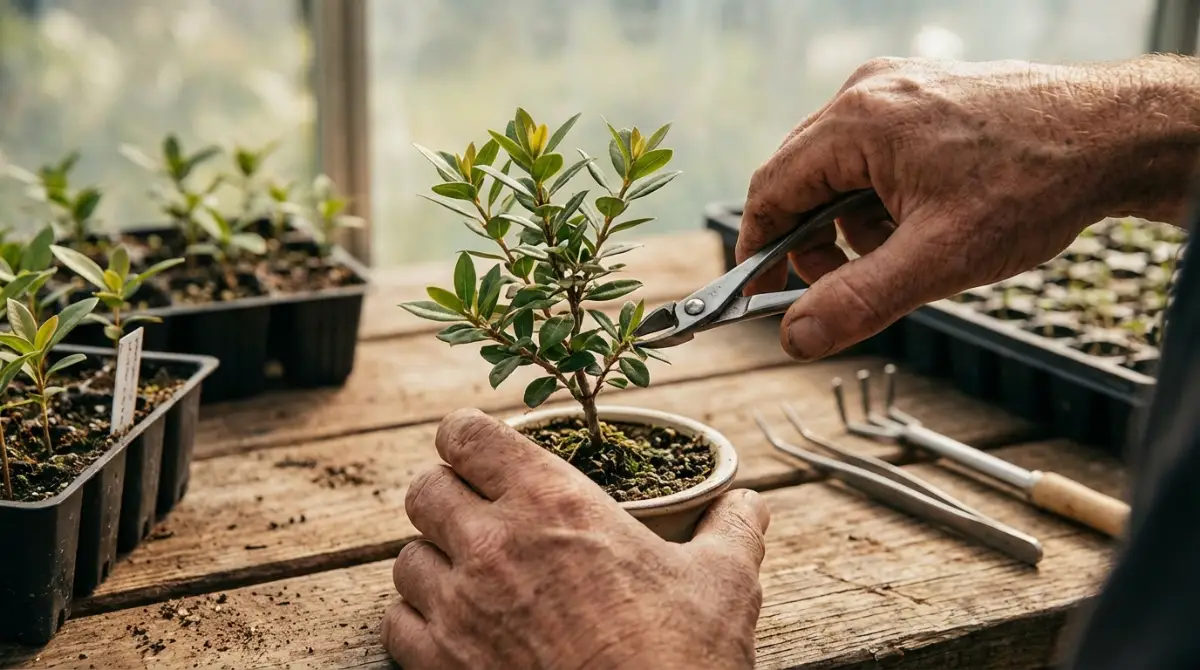
- Patience with Pruning: Many native species, especially conifers like Totara, can be slower to recover from aggressive pruning. Prune conservatively, especially when establishing initial branches. Allow ample time for new growth to harden before further styling.
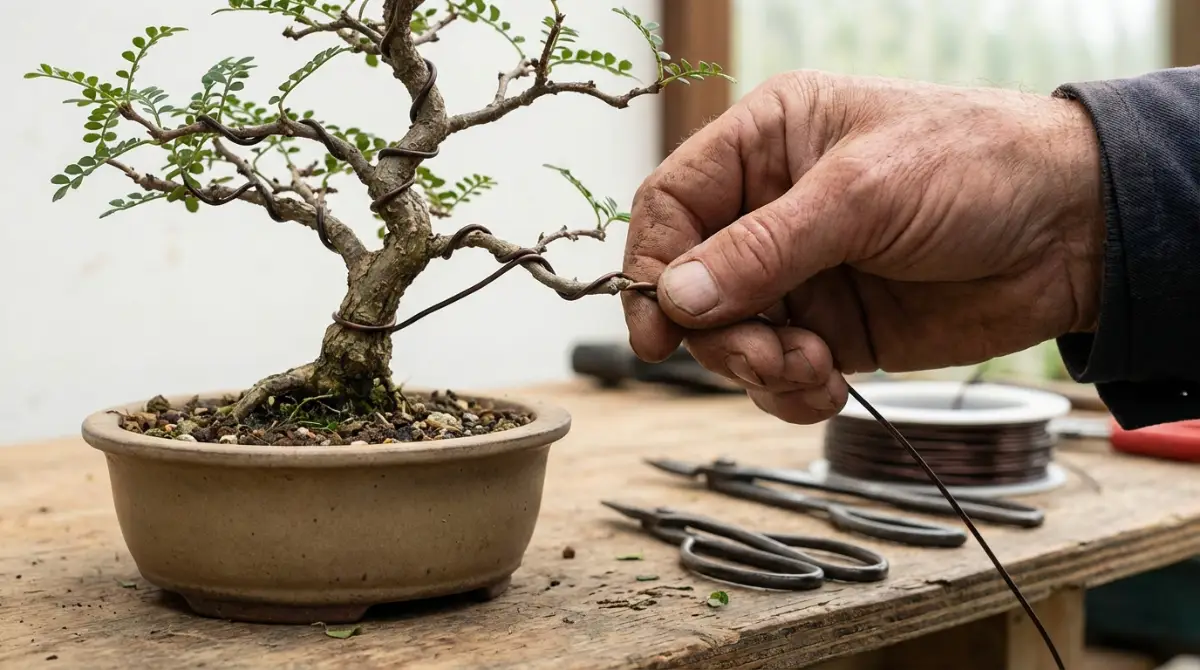
- Wiring Considerations: The bark of some native species can be delicate. Use anodized aluminum wire, not copper, and wrap carefully to avoid scarring. Check wires frequently, especially during periods of active growth, to prevent them from biting into the bark.
- Repotting Strategy: Repot native bonsai when actively growing, typically in late spring or early summer, just as new growth begins. Be gentle with root disturbance. Some species, like Pohutukawa, can tolerate more aggressive root pruning, while others require a more conservative approach. Ensure excellent drainage in your repotting mix.
Embrace the Spirit of Aotearoa in Miniature
Venturing into the world of NZ native bonsai species offers a uniquely rewarding experience. It’s a journey that combines artistic expression with a deep appreciation for New Zealand’s natural heritage. By understanding their ecology, selecting appropriate species, employing sustainable practices, and adapting traditional techniques with care, you can create living sculptures that are not only beautiful but also tell a story of Aotearoa’s incredible biodiversity. Start your native bonsai journey today and connect with the enduring spirit of New Zealand’s landscapes, one miniature tree at a time.
Frequently Asked Questions About NZ Native Bonsai
Here are some common questions regarding the cultivation of New Zealand native species for bonsai.
What are the best NZ native bonsai species for beginners?
Manuka (Leptospermum scoparium) and Kanuka (Leptospermum ericoides) are often recommended for beginners due to their hardiness, small leaves, and vigorous growth. They are forgiving of mistakes and respond well to various styling techniques.
Can all NZ native trees be used for bonsai?
While many native trees can technically be grown as bonsai, not all are equally suitable. Species with naturally small leaves, dense branching, and a strong ability to ramify (create fine twigs) are generally preferred. Larger-leaved species can be challenging to scale down effectively.
Do NZ native bonsai require special soil?
Yes, most NZ native bonsai species prefer a well-draining, slightly acidic bonsai mix. A typical mix might include akadama, pumice, and a small amount of organic material like bark fines or coco coir. Avoid heavy, water-retentive soils.
How often should I water my native bonsai?
Watering frequency depends on the species, pot size, soil mix, and environmental conditions. Generally, native bonsai should be watered when the top inch or two of soil feels dry. It’s better to water thoroughly and less frequently than to constantly keep the soil soggy.