Australian Native Bonsai: Care & Cultivation
Master specific Australian native bonsai care techniques! Discover species-specific guides for Ficus, Leptospermum & Eucalyptus, climate adaptation, and advanced styling to cultivate stunning Southern Hemisphere bonsai.
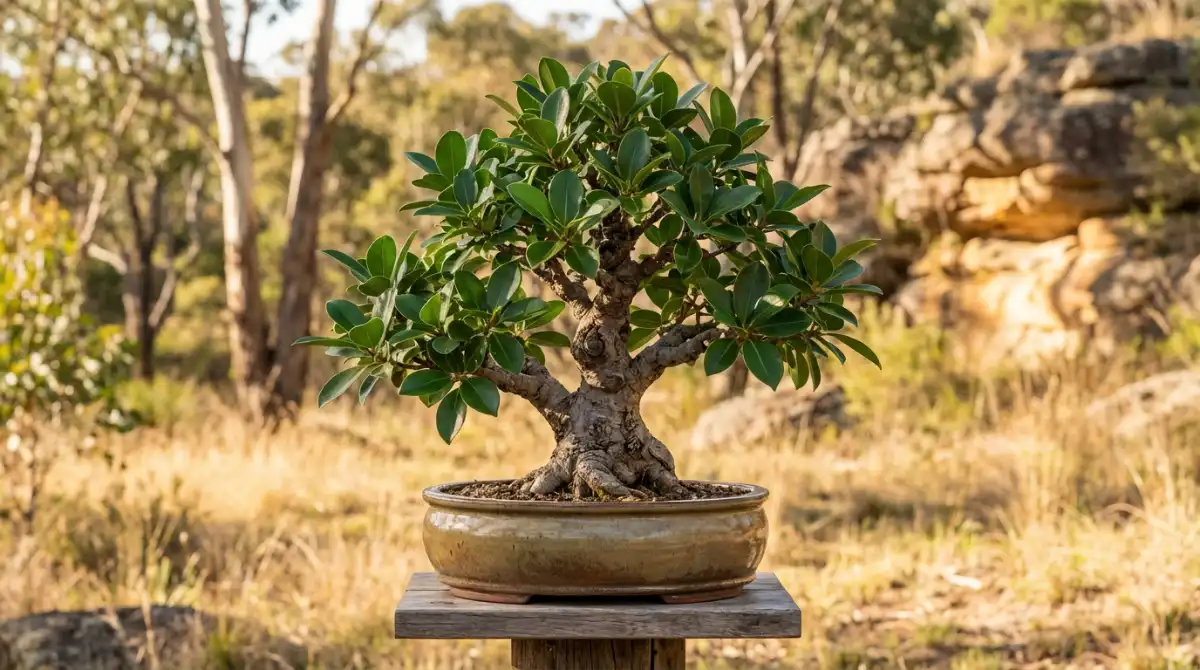
Deep Dive
What You Will Learn
Master specific Australian native bonsai care techniques! Discover species-specific guides for Ficus, Leptospermum & Eucalyptus, climate adaptation, and advanced styling to cultivate stunning Southern Hemisphere bonsai.
Key Takeaways
- Australian native species offer unique bonsai potential but require specific care techniques tailored to their natural habitats.
- Master species-specific guides for popular natives like Ficus macrophylla, Leptospermum, and Eucalyptus to ensure optimal health and development.
- Effective climate adaptation is crucial, involving strategic watering, sun protection, and winter care aligned with Southern Hemisphere seasons.
- Advanced styling for natives emphasizes understanding their natural growth, promoting features like nebari and balancing traditional bonsai aesthetics with indigenous characteristics.
- A well-draining, gritty soil mix is paramount for most Australian native bonsai to prevent root rot and mimic natural conditions.
Australian Native Bonsai: Mastering Specific Care & Cultivation Techniques
Embarking on the journey of cultivating Australian native bonsai opens up a world of unique beauty and horticultural challenge. Unlike their traditional Asian counterparts, these resilient species demand a nuanced approach, rooted in understanding their evolutionary adaptations to Australia’s diverse and often harsh environments. This guide is crafted for enthusiasts seeking to master the specific Australian native bonsai care techniques essential for thriving Southern Hemisphere bonsai.
From the arid inland to lush coastal fringes, Australia’s flora has evolved incredible resilience. Translating this into miniature art requires not just general bonsai principles, but a deep dive into each species’ individual needs regarding soil, water, light, and styling. Prepare to unlock the secrets to successful cultivating Australian native bonsai, transforming wild beauty into breathtaking living sculptures.
Introduction to Australian Native Bonsai
The allure of Australian native species in bonsai lies in their distinct foliage, unique bark textures, and often vibrant flowering displays. While many traditional bonsai species hail from temperate zones with predictable seasonal changes, Australian natives present a different set of considerations. Their adaptability to nutrient-poor soils, periods of drought, and intense sunlight means that generic bonsai advice often falls short.
“Understanding the ecological niche of an Australian native species in its natural habitat is the first and most critical step towards successful bonsai cultivation.”
This section lays the groundwork, highlighting why a specialised approach to caring for Australian bonsai species is not just beneficial, but absolutely essential. We’ll delve into the general characteristics that make these plants both challenging and incredibly rewarding for bonsai enthusiasts.
From their robust root systems that often form impressive nebari to their often-smaller leaf sizes suitable for miniaturisation, many native species are perfectly poised for bonsai. The key is to respect their inherent characteristics and provide conditions that mimic, as closely as possible, their natural environment, adapted for the confines of a pot.
Species-Specific Care Guides for Australian Natives
While some general principles apply, the true mastery of specific Australian native bonsai care techniques comes from understanding the individual needs of popular species. Here, we break down tailored advice for three common and rewarding choices.
1. Ficus macrophylla (Moreton Bay Fig)
The Moreton Bay Fig is a magnificent subject for bonsai, known for its rapid growth, large glossy leaves (which reduce well), and impressive aerial roots that can form stunning nebari and secondary trunks. Its subtropical origins mean it thrives in warmth and humidity.
- Watering Specifics: Ficus macrophylla prefers consistently moist, but never waterlogged, soil. Water thoroughly when the top inch of soil begins to dry, ensuring good drainage. Reduce frequency slightly in cooler months.
- Sunlight & Placement: Provide full sun to partial shade. In hotter climates, protect from intense afternoon sun to prevent leaf scorch. They are sensitive to frost and must be protected or brought indoors during winter in cooler zones.
- Pruning & Shaping: This species responds exceptionally well to aggressive pruning, back-budding readily. Heavy pruning is best done in late spring/early summer. Wire carefully as branches can be brittle; consider “clip and grow” as a primary shaping method. Regularly remove unwanted aerial roots to direct growth where desired.
- Repotting Schedule: Young, vigorous Ficus may need repotting annually, while older specimens every 2-3 years. Repot in late spring when temperatures are consistently warm. Use a fast-draining, well-aerated bonsai mix, and be conservative with root pruning on mature specimens.
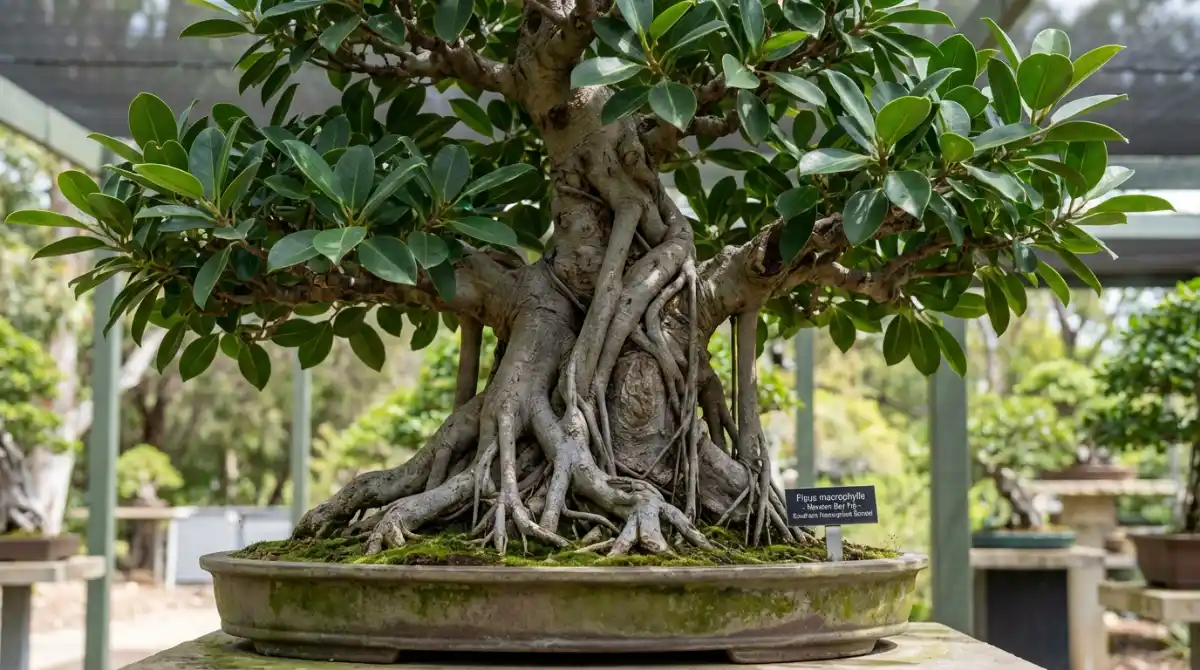
2. Leptospermum spp. (Tea Tree)
Tea Trees are highly valued for their delicate flowers, fine foliage, and often attractive flaky bark. They are generally hardy and versatile, making them excellent subjects for various bonsai styles. Different species offer variations in leaf size and flower colour.
- Watering & Drainage: Leptospermum appreciates consistent moisture but demands impeccable drainage. They are prone to root rot in waterlogged conditions. Allow the top layer of soil to dry slightly between waterings.
- Fertilisation: Feed regularly during the growing season (spring to autumn) with a balanced liquid fertiliser at half strength. Avoid high-nitrogen feeds if you want to encourage flowering.
- Pruning for Flowers: Prune after flowering to encourage dense growth and future blooms. Heavy structural pruning is best done in late winter. Fine wiring can be applied, but branches can become stiff quickly, so wire early.
- Pest & Disease Management: Generally robust, but watch for scale insects and mealybugs. Ensure good air circulation to prevent fungal issues, particularly in humid conditions.
3. Eucalyptus spp. (Gum Tree)
Eucalyptus species are perhaps the most iconic Australian natives, and while challenging, they can make striking bonsai. The key is managing their tendency for rapid, often leggy, growth and their dimorphic foliage (juvenile vs. adult leaves).
- Young Foliage Retention: To maintain the attractive juvenile foliage (often smaller and rounder), regularly prune back hard to older wood during the growing season. This forces the plant to repeatedly produce juvenile growth.
- Trunk Thickening: Allow sacrifices branches to grow unchecked for a season or two to rapidly thicken the trunk. Prune these back hard once desired thickness is achieved.
- Watering: Eucalypts are adaptable but prefer consistent moisture during growth. They are somewhat drought-tolerant once established but thrive with regular watering in a bonsai pot. Ensure excellent drainage.
- Root Pruning: Be cautious with severe root pruning, especially on older specimens, as some Eucalypts can be sensitive. Repot every 2-3 years in spring, gently combing out roots and removing circling ones.
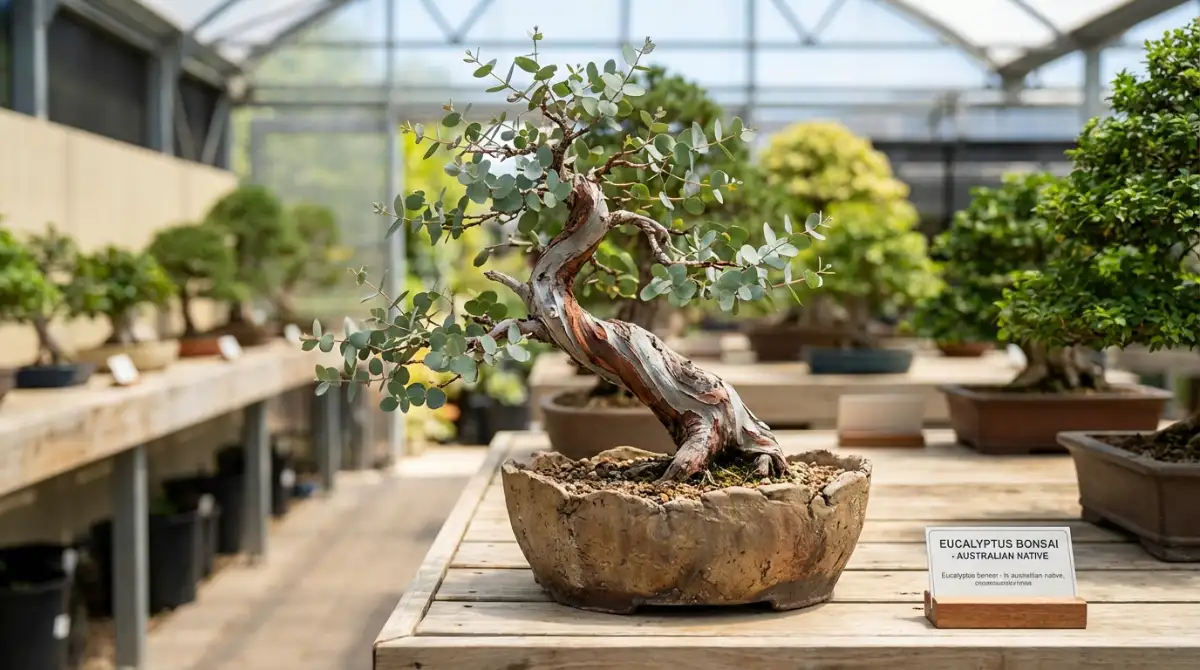
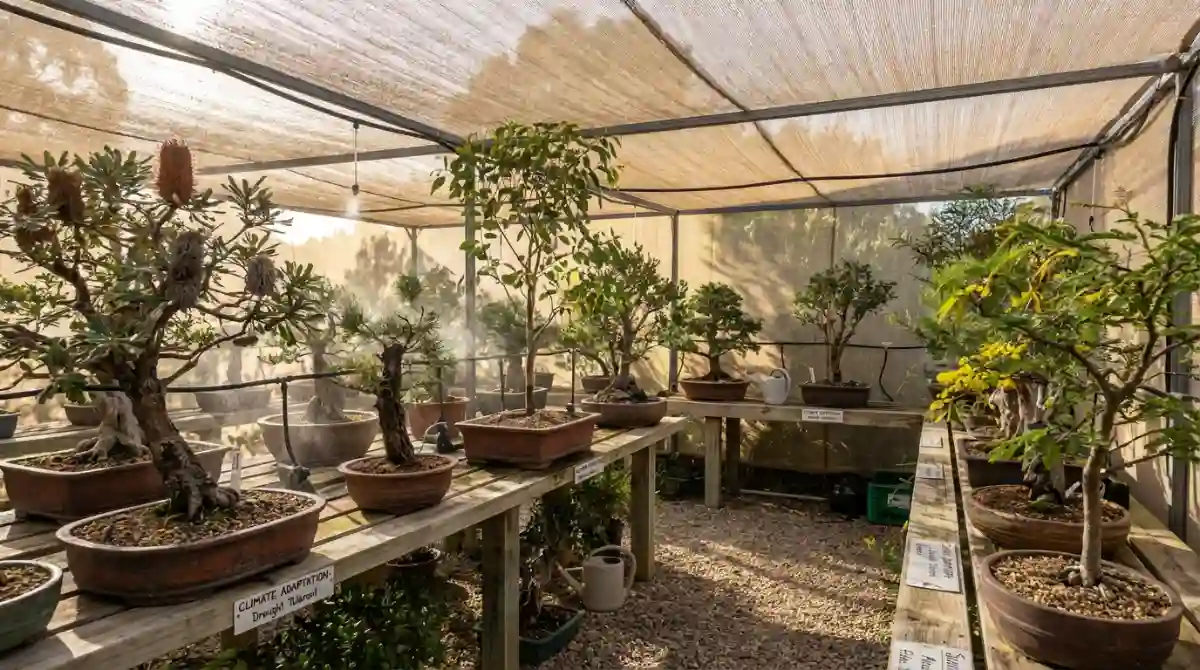
Climate Adaptation Techniques for Southern Hemisphere Bonsai
The Southern Hemisphere’s distinct seasons and climatic variations demand specific adjustments to bonsai care. Unlike northern hemisphere practices, our summer is winter, and vice-versa, significantly impacting specific Australian native bonsai care techniques for watering, feeding, and protection.
Australian natives are generally tough, but when confined to a pot, they lose some of their natural resilience. Protecting them from extremes is crucial for their long-term health and development.
- Sun Protection: Intense Australian summer sun can scorch leaves, especially for species not accustomed to full, unfiltered sun in their natural habitat. Provide 30-50% shade cloth during the hottest parts of summer, particularly for delicate species or those recently repotted.
- Water Management: Summer means increased evaporation. Water frequently, sometimes multiple times a day, ensuring water drains freely. During cooler, wetter periods, reduce watering dramatically to prevent root rot. Monitor soil moisture daily.
- Winter Care: Many Australian natives are not frost-tolerant. In regions experiencing frost, move sensitive species to a protected veranda, greenhouse, or indoors near a bright window. Hardier species may tolerate light frost but should still be sheltered from prolonged freezing conditions.
- Seasonal Adjustments: Fertilising should align with periods of active growth – typically spring and early summer. Reduce or cease feeding during dormancy (winter). Repotting is best done in late winter to early spring, just before new growth commences.
Seasonal Care Action Checklist
Advanced Styling for Australian Native Bonsai
While traditional bonsai aesthetics provide a strong foundation, styling Australian natives for bonsai often benefits from embracing their unique forms and growth habits. The rugged beauty of the Australian landscape can be a profound source of inspiration.
- Developing Nebari: Many Australian natives naturally form strong, spreading root flares (nebari). Encourage this by exposing surface roots during repotting and ensuring proper initial planting depth. Air-layering can also be an effective technique for establishing excellent nebari.
- Creating Jin & Shari: The weathered, often sun-bleached timber of the Australian bush lends itself beautifully to jin (deadwood branches) and shari (deadwood trunks). Selectively remove bark to expose the underlying wood, which can then be treated with lime sulfur for preservation and aesthetic appeal. This technique works particularly well on species with dense wood like some Eucalyptus or Casuarina.
- Branch Placement: Unlike the neat, layered pads often seen in Japanese bonsai, Australian natives might lend themselves to more wild, windswept, or rugged styles. Study their natural growth patterns – how they branch in response to light, wind, and fire – and integrate these naturalistic elements into your design.
- Pot Selection: Choose pots that complement the character of the tree. Earthy tones, unglazed ceramics, or pots with rugged textures often harmonise well with the naturalistic aesthetic of Australian natives. Consider the overall balance and scale, allowing the tree’s unique features to be the focal point.
“Styling native species requires a deep understanding of their natural growth habits and a willingness to interpret, rather than strictly replicate, traditional bonsai aesthetics. Embrace the wild spirit of the Australian bush.”
The journey of transforming an Australian native into a bonsai is one of patience, observation, and respect for its inherent character. By combining fundamental bonsai techniques with species-specific knowledge and an appreciation for the unique Australian landscape, you can create truly individual and captivating living art.
Frequently Asked Questions about Australian Native Bonsai Care
What are the best Australian native species for bonsai?
Excellent choices include Ficus macrophylla (Moreton Bay Fig), Leptospermum spp. (Tea Tree), Callistemon spp. (Bottlebrush), Melaleuca spp. (Paperbark), Casuarina spp. (She-oak), and some smaller Eucalyptus species. These often respond well to bonsai techniques and adapt to pot culture, offering diverse foliage, flowers, and bark textures.
How often should I water my Australian native bonsai?
Watering frequency depends heavily on the specific species, pot size, soil mix, and your local climate. Generally, water thoroughly when the top inch of soil feels dry to the touch. Australian natives often prefer well-draining soil and can be sensitive to overwatering, so always ensure excellent drainage and adjust based on daily observation and weather conditions.
Do Australian native bonsai need special soil?
Yes, a fast-draining, open, and gritty bonsai soil mix is crucial for almost all Australian natives. Many thrive in mixes that mimic their natural sandy or rocky environments, often requiring less organic matter than traditional Japanese or Chinese bonsai soil. Common components include akadama, pumice, scoria, coarse river sand, and a small amount of composted bark.
Can I keep Australian native bonsai indoors?
Most Australian native species are generally not well-suited for permanent indoor living. They typically require significant natural light, good air circulation, and seasonal temperature fluctuations to thrive. While some sub-tropical Ficus species might tolerate indoor conditions if provided with ample light, humidity, and airflow, outdoor placement, possibly with winter protection, is almost always recommended for optimal health and vigor.
When is the best time to prune Australian native bonsai?
For major structural pruning, late winter to early spring, just before a flush of new growth, is often ideal. This allows the plant to recover quickly. Lighter maintenance pruning, such as trimming shoots to refine shape, can be done throughout the active growing season. For species that flower, like Leptospermum or Callistemon, it’s best to prune them after they bloom to avoid cutting off developing flower buds.