Bonsai Irrigation & Automated Watering Systems
Master bonsai irrigation with our guide to DIY and automated watering systems. Learn to design, install, and maintain your perfect setup for thriving trees, even in the Southern Hemisphere.
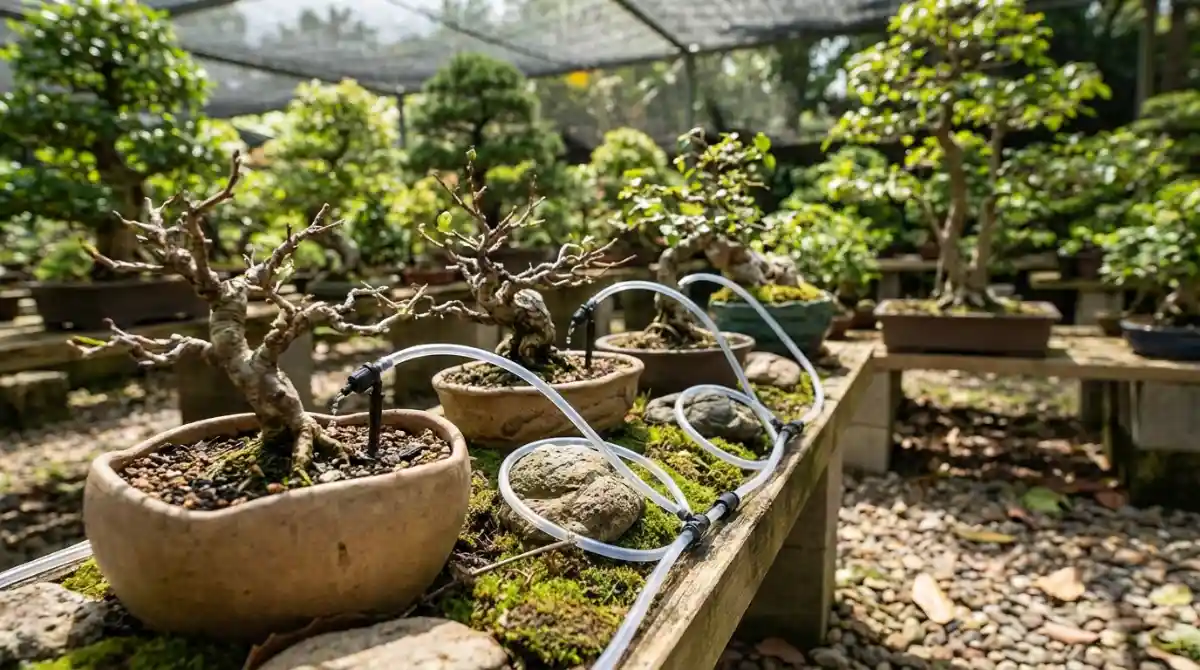
Deep Dive
What You Will Learn
Master bonsai irrigation with our guide to DIY and automated watering systems. Learn to design, install, and maintain your perfect setup for thriving trees, even in the Southern Hemisphere.
Bonsai Irrigation & Automated Watering Systems: Your Guide to Thriving Trees
The art of bonsai demands meticulous care, and at its heart lies consistent, precise watering. For many enthusiasts, especially those juggling busy schedules or managing larger collections in diverse climates, ensuring every tree receives its ideal moisture can feel like a daunting, daily chore. But what if you could eliminate the guesswork and ensure your precious bonsai are perfectly hydrated, day in and day out? This comprehensive guide delves into the world of bonsai irrigation systems DIY and advanced automated bonsai watering solutions, designed to empower both novice and seasoned collectors.
Key Takeaways for Bonsai Irrigation:
- Consistency is paramount: Even watering prevents stress, promotes robust root development, and ensures overall bonsai health.
- Explore diverse systems: Drip irrigation, misting, and capillary mats offer tailored solutions for different needs and environments.
- DIY is achievable: Designing and installing an effective bonsai irrigation system DIY is a rewarding and cost-effective project.
- Automated watering saves time: Investigate options for automated bonsai watering for peace of mind, especially when away or for large collections.
- Regular maintenance: Essential for system longevity, preventing clogs, and ensuring your trees remain optimally watered.
- Adapt to environment: Southern Hemisphere growers must consider unique seasonal changes when programming automated systems.
The Undeniable Importance of Consistent Watering
Bonsai trees, confined to shallow pots, are exceptionally vulnerable to inconsistent moisture levels. Unlike garden plants with vast root systems, a bonsai’s tiny world can dry out rapidly, especially in hot, windy conditions or during peak growing seasons in regions like the Southern Hemisphere. Both over-watering and under-watering pose severe threats to their delicate health.
- Under-watering: Leads to wilting, crispy leaves, branch dieback, and eventually, the death of the tree. The fine feeder roots, crucial for nutrient uptake, are the first to suffer.
- Over-watering: Drowns the roots, depriving them of oxygen. This results in root rot, fungal infections, yellowing leaves, and a general decline in vigor, mimicking symptoms of under-watering but with far more insidious consequences.
The goal is to maintain a consistently moist, but never soggy, soil environment. This perfect balance promotes strong root development, healthy foliage, and vigorous growth, allowing your bonsai to truly flourish and reflect the artistry you’ve invested.
Did you know? In a study by the International Bonsai Association, irregular watering was cited as a primary cause of bonsai decline in over 60% of novice cases, underscoring the critical need for consistent hydration.
Overview of Bonsai Irrigation System Types
While manual watering offers a meditative connection to your trees, it’s not always practical. Thankfully, a range of irrigation systems can provide the consistency your bonsai crave, from simple setups to sophisticated automated solutions.
Manual vs. Automated Approaches
Manual Watering: Involves using a watering can, hose with a fine rose, or submersion. It allows for direct observation of each tree’s needs but is time-consuming and prone to inconsistencies, especially for large collections or during absences.
Automated Watering: Utilizes timers, pumps, and delivery mechanisms to apply water at set intervals without direct human intervention. This is where automated bonsai watering truly shines, offering peace of mind and precision.
Comparing Common Irrigation Methods
When considering an automated bonsai watering solution, several methods stand out, each with its own advantages.
| Irrigation Method | Pros | Cons | Best For |
|---|---|---|---|
| Drip Irrigation | Highly efficient, direct root watering, customizable for each plant’s needs, water conservation. | Emitters can clog, visible tubing, initial setup time, needs some pressure. | Larger collections, specific water needs, mixed species, long-term installations. |
| Misting/Fogging | Increases ambient humidity, cools foliage, can be less obtrusive visually. | High water evaporation, not ideal for root hydration alone, potential for fungal issues if ventilation is poor. | Humidity-loving species, supplementing drip, nursery/greenhouse environments, tropical bonsai. |
| Capillary Matting | Simple, passive, even absorption, good for many small pots, low cost. | Requires level surface, mats can harbor algae, less control per plant, less effective for larger pots. | Small, uniform collections, temporary setups, propagation, vacation watering for small pots. |
Designing Your Automated Bonsai Irrigation System
Building a custom bonsai irrigation system DIY is a rewarding project that gives you complete control over your trees’ hydration. Here’s a step-by-step approach to planning and assembly.
Step 1: Assess Your Collection’s Needs
- Species & Water Requirements: Group trees by their general watering needs (e.g., junipers need less than maples).
- Pot Size & Soil Type: Smaller pots and fast-draining soil dry out quicker.
- Environmental Factors: Note sun exposure, wind, and ambient humidity. Trees in full sun or windy spots will need more frequent watering. Consider seasonal shifts, especially for those in the Southern Hemisphere with distinct dry and wet periods.
- Water Source: What’s your water pressure like? Do you need a pump? Do you need a filter for hard water?
Step 2: Select the Right Components
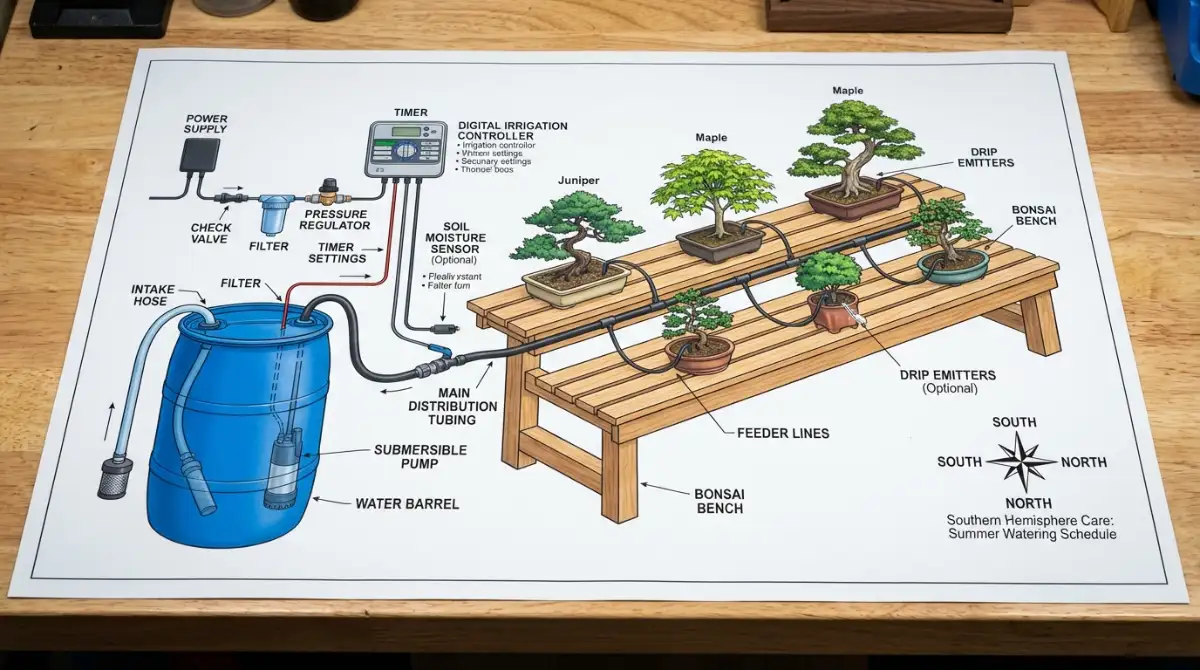
- Programmable Timer: The brain of your system. Choose one with multiple start times and durations. Smart timers with Wi-Fi can offer remote control and weather-based adjustments.
- Water Pump (Optional): If your tap pressure is insufficient, a small submersible or inline pump will be necessary.
- Main Distribution Tubing: Typically 1/2-inch (13mm) poly tubing to carry water to zones.
- Feeder Lines: Smaller 1/4-inch (4-6mm) tubing to branch off to individual pots.
- Emitters: Choose drip emitters (adjustable or fixed GPH), micro-sprayers, or misters based on your trees’ needs and preferred method.
- Fittings: Tees, elbows, end caps, and stakes to secure lines and emitters.
- Filter: Essential to prevent clogs in emitters, especially with hard water or unfiltered sources.
Pro Tip: Micro-Climates Matter! When designing your bonsai irrigation system DIY, remember that areas receiving more sun, wind, or shade will dry out at different rates. Consider creating separate watering zones or using adjustable emitters to accommodate these micro-climates for optimal plant health.
Step 3: Plan Your Layout and Zones
Sketching your layout is crucial. Map out your bonsai benches, water source, and power outlets. Determine if you need different zones for trees with varying watering needs. Run main tubing along benches, then branch off with feeder lines to each pot. Aim for the shortest possible runs to minimize pressure loss.
Installation Guides & Component Reviews
Once you have your design and components, installation for your bonsai irrigation system DIY is straightforward. Cut main tubing to size, use fittings to create your desired layout, and punch holes for feeder lines. Connect feeder lines to emitters and place them in pots. Secure all connections tightly to prevent leaks. Finally, connect your timer and test the system.
Key Component Spotlight:
- Digital Timers: Look for models with at least 4-6 start times per day, flexible duration settings (minutes/seconds), and rain delay functions. Brands like Orbit, Rain Bird, and Melnor offer reliable options.
- Micro-Drip Emitters: Adjustable emitters (0-10 GPH) are excellent for fine-tuning water delivery to individual trees. Fixed-rate emitters are good for uniform collections. Consider flag emitters for easy cleaning.
- Smart Controllers: For ultimate control, Wi-Fi enabled controllers can integrate with weather data, moisture sensors, and allow remote management via a smartphone app.
Pros and Cons of Automated Bonsai Watering Systems
Advantages ✅
- ✅ Consistency: Eliminates human error, ensuring precise and consistent moisture levels.
- ✅ Time-Saving: Frees up significant time for hobbyists and collectors, especially with large collections.
- ✅ Holiday Peace of Mind: Bonsai are cared for reliably while you’re away.
- ✅ Optimized Growth: Prevents stress from irregular watering, promoting healthier trees and improved vigor.
- ✅ Water Efficiency: Targeted delivery (especially with drip) can significantly reduce water waste compared to manual hosing.
- ✅ Scalability: Easily expand your system as your collection grows.
Disadvantages ❌
- ❌ Initial Cost: Can be a significant upfront investment for quality components.
- ❌ Setup Complexity: DIY systems require careful planning and some technical skill.
- ❌ Maintenance: Emitters can clog, sensors can fail, and lines can leak, requiring periodic checks and cleaning.
- ❌ Less Personal Interaction: Some purists miss the daily ritual of hand-watering.
- ❌ Potential for Failure: System malfunctions (e.g., timer battery dies, pump fails) can lead to over or under-watering if not regularly monitored.
- ❌ Climate Adaptability: Requires careful seasonal adjustment, especially in unpredictable climates.
Troubleshooting & Seasonal Maintenance
Even the best automated bonsai watering systems require attention. Regular maintenance and knowing how to troubleshoot common issues will ensure your system runs smoothly and your bonsai thrive.
Common Troubleshooting Tips:
- No Water Flow: Check your water source, ensure the timer is programmed correctly and has power, and inspect for kinks or blockages in main lines.
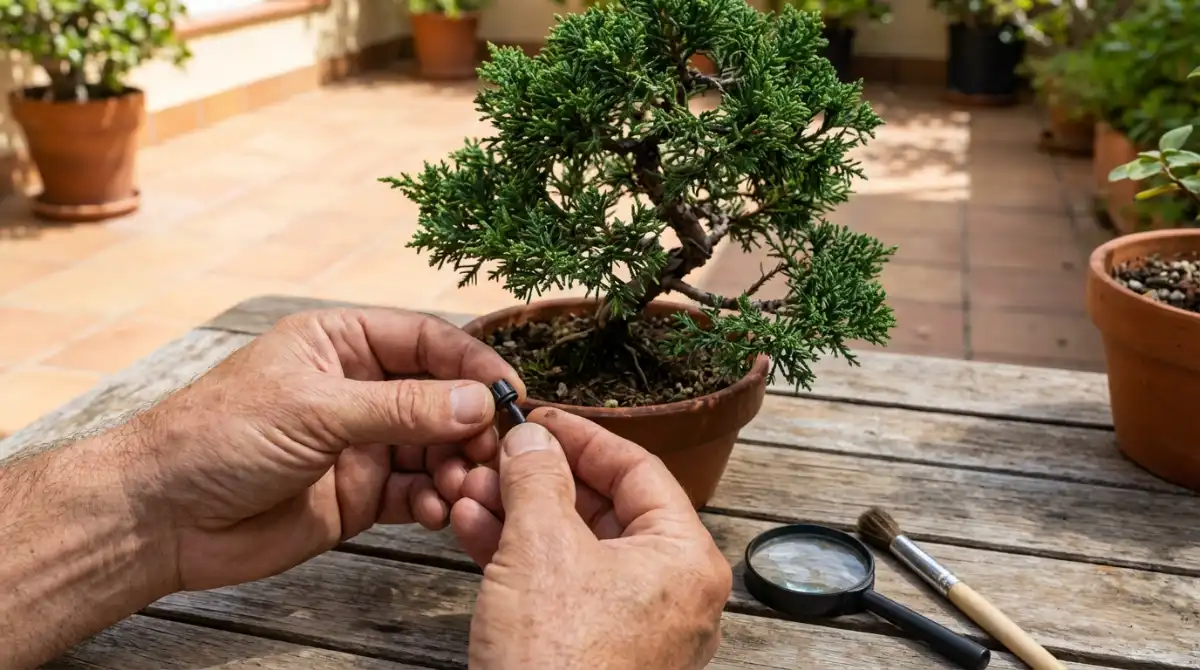
- Clogged Emitters: This is the most frequent issue. Disconnect and clean emitters or replace them. Ensure you have a filter installed and clean it regularly.
- Leaks: Inspect all connections. Tighten clamps, replace worn O-rings or cracked tubing. Leaks can cause significant water loss and reduce pressure.
- Uneven Watering: Adjust individual emitters, check for partial clogs, or ensure adequate pressure throughout the system. Consider adding a pressure regulator if your source pressure is too high.
Pro Tip: Start Simple, Then Expand. If you’re new to automated bonsai watering, don’t feel pressured to automate your entire collection at once. Start with a small, easily manageable section or a few critical trees. This allows you to learn the system, troubleshoot kinks, and gradually expand as your confidence grows.
Seasonal Adjustments & Winterization:
- Southern Hemisphere Considerations: Growers in the Southern Hemisphere must adjust their systems for reverse seasons. Water demand will be highest during the warmer months of December-February and lowest during the cooler, potentially wetter months of June-August. Monitor weather patterns closely.
- Spring/Summer: Increase frequency and duration as temperatures rise and trees actively grow.
- Autumn: Gradually reduce watering as temperatures drop and growth slows.
- Winter (Frost-Prone Areas): In regions with freezing temperatures, you must completely drain and disconnect your system to prevent pipes from bursting. Store pumps and timers indoors. Manual watering will be required, often less frequently, during this period.
- Annual Deep Clean: Flush all lines, clean filters, and inspect emitters for wear and tear.
“Consistent moisture is the heartbeat of a bonsai. Automation, when implemented intelligently, isn’t about replacing the gardener, but empowering them to provide unwavering care, even when life gets busy.” – Dr. Elara Vance, Horticultural Engineer specializing in Arid-Zone Botany and Bonsai Adaptations.
Frequently Asked Questions (FAQ)
What is the best type of automated bonsai watering system?
The ‘best’ system depends on your specific needs, collection size, and budget. Drip irrigation is highly efficient for targeted watering, while misting systems are great for increasing humidity. Capillary mats offer a simple, passive solution for smaller, uniform collections. Often, a hybrid system combining elements like drip for roots and mist for foliage works best, especially considering diverse climate needs in regions like the Southern Hemisphere.
How often should an automated bonsai irrigation system water?
Watering frequency depends heavily on species, pot size, soil mix, climate (temperature, humidity, wind), and time of year. Initially, monitor your trees closely and adjust your timer. Many hobbyists start with once or twice daily for short durations, observing soil moisture and plant health to fine-tune the schedule. A moisture sensor can further optimize this, reducing guesswork and preventing over-watering.
Can I build a DIY bonsai irrigation system?
Absolutely! Building a bonsai irrigation system DIY is a popular and cost-effective approach. You’ll need a water source, a timer, a pump (if low pressure), main tubing, smaller feeder lines, and emitters. Resources and kits are widely available, making it a rewarding project for any bonsai enthusiast keen on gaining control over their watering regimen.
What components are essential for automated bonsai watering?
Key components for automated bonsai watering include a programmable timer, a water pump (if needed to boost pressure), main distribution tubing (e.g., 1/2 inch), smaller feeder lines (e.g., 1/4 inch), various emitters (drip, spray, mist), and connectors/fittings. Optional additions include moisture sensors, pressure regulators, and filters to enhance efficiency and reliability.
How do I prevent clogs in my bonsai irrigation system?
Preventing clogs is crucial for system longevity. Always install a filter at the beginning of your system, especially if using tap water or rainwater. Regularly flush your lines by opening the end caps. Periodically inspect and clean emitters, and consider using larger orifice emitters where possible. Using clean water sources minimizes sediment buildup, ensuring uninterrupted flow to your bonsai.
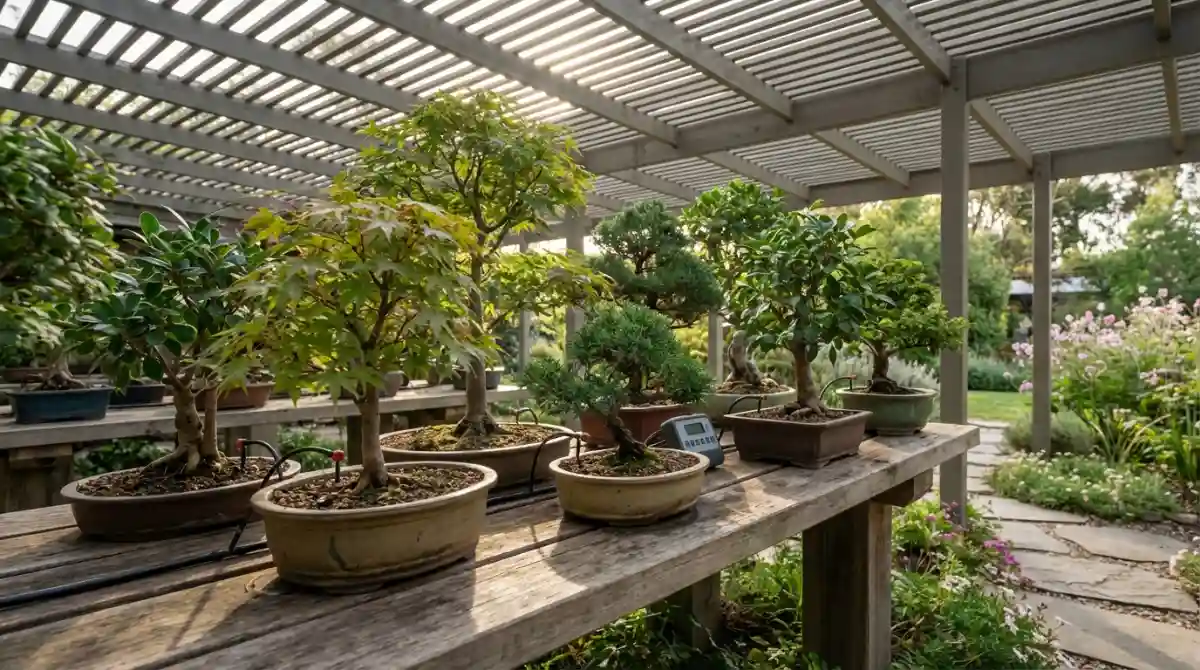
Your Automated Watering Action Plan
Ready to transform your bonsai care routine? Use this checklist to get started with your automated bonsai watering system:
- ✓ Assess Your Needs: List all your bonsai, noting species, pot size, soil type, and sun exposure to inform your design.
- ✓ Research Components: Look into timers, pumps, tubing, and emitters suitable for your budget and the scale of your collection.
- ✓ Sketch Your Layout: Plan zones and tubing routes meticulously before purchasing any materials.
- ✓ Gather Your Tools: Ensure you have cutters, clamps, hole punches, and connection fittings readily available.
- ✓ Install & Test: Set up your system incrementally, testing each zone thoroughly for leaks and proper water flow.
- ✓ Monitor & Adjust: Observe your trees’ response and tweak watering schedules and emitter flow rates as needed. Be prepared to adjust for seasonal changes, particularly in the Southern Hemisphere.
- ✓ Schedule Maintenance: Plan for regular checks of emitters, filters, and all connections to ensure long-term reliability.
Embracing a well-designed bonsai irrigation system DIY or a professional automated bonsai watering setup can revolutionize your approach to bonsai care. It’s an investment in the health of your trees and a liberation of your time, allowing you to focus on the artistic aspects of this ancient practice rather than the daily grind of watering. Your bonsai, and your schedule, will thank you.