Australian Native Bonsai Care
What You Will Learn
Discover comprehensive Australian native bonsai care. Learn expert tips for Acacia, Eucalyptus, and Callistemon species, including watering, pruning, and protection from regional climatic challenges in this in-depth guide.
Table of Contents
Caring for Australian Native Bonsai Trees
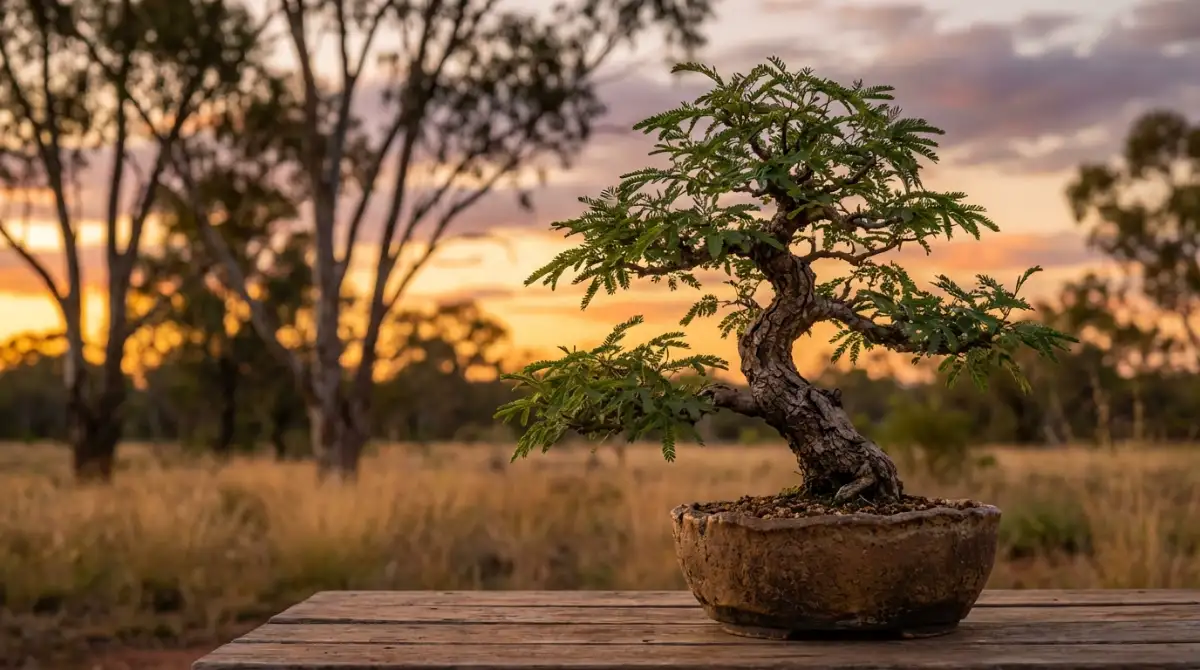
The ancient art of bonsai, traditionally associated with Asian species, finds a breathtaking new expression when applied to the unique flora of Australia. Australian native bonsai care offers a rewarding challenge, allowing enthusiasts to cultivate miniature masterpieces that capture the rugged beauty and distinctive character of the Southern Hemisphere landscape. Unlike their Asian counterparts, Australian natives often possess a different growth habit, respond uniquely to pruning, and have adapted to a vast array of climatic conditions, from arid deserts to lush rainforests. This guide delves deep into the specific requirements for successfully cultivating these resilient and striking trees, providing comprehensive insights into their care, styling, and environmental needs. By embracing the particularities of species like Acacia, Eucalyptus, and Callistemon, you can unlock the full potential of these magnificent plants and create truly unique bonsai specimens that reflect Australia’s unparalleled biodiversity. We will explore everything from species selection and general care principles to advanced techniques and regional climatic considerations, ensuring your Australian native bonsai thrive for years to come.
Acacia Bonsai Care
Acacia, commonly known as Wattles, comprise the largest genus of flowering plants in Australia, boasting over 1000 species. Their diversity in foliage (from true leaves to phyllodes), flowers, and growth habits makes them a fascinating choice for bonsai. Many species are fast-growing, respond well to pruning, and develop attractive bark textures. However, their rapid growth can be both a blessing and a curse, requiring diligent management. Successful Australian native bonsai care for Acacias hinges on understanding their vigour and specific needs.
Species Selection and Characteristics
For bonsai, selecting smaller-leaved or finer-foliaged Acacia species is crucial. Acacia cognata (River Wattle), especially cultivars like ‘Limelight’ or ‘Fettuccini’, are excellent due to their weeping habit, delicate lime-green phyllodes, and relatively compact growth. Acacia pravissima (Oven’s Wattle) with its triangular phyllodes and dense canopy, also makes a good subject. Other suitable species include Acacia ‘Mini Cog’ and certain dwarf forms. When selecting, look for plants with good nebari (root flare) potential and interesting trunk lines. Their characteristic fast growth means they thicken quickly, allowing for rapid development of a substantial trunk, but also necessitates frequent pruning to maintain ramification and scale.
Watering Requirements
Acacias, while often drought-tolerant in the ground, require consistent and careful watering in a bonsai pot. Their fast growth rate and dense foliage demand a good supply of water during active growth periods (spring and summer). Water thoroughly until it drains from the bottom, then allow the top layer of soil to dry out before watering again. Overwatering can lead to root rot, especially in poorly draining soil, while prolonged drying out can cause leaf drop and stress. Use the ‘finger test’ – insert a finger about an inch into the soil to check moisture levels. During cooler, dormant periods (winter), reduce watering frequency significantly, ensuring the soil remains slightly moist but never waterlogged. Pay close attention to environmental factors like wind and heat, which can rapidly dry out pots, necessitating more frequent checks.
Light and Temperature
Acacias thrive in full sun. Aim for at least 6-8 hours of direct sunlight per day to promote vigorous growth, tight internodes, and strong health. Insufficient light will lead to leggy growth, larger phyllodes/leaves, and overall weakening of the tree, making it more susceptible to pests and diseases. They are generally tolerant of a wide range of temperatures once established. Most species can handle light frosts, but protection is advised for younger or less hardy specimens if temperatures consistently drop below 0°C (32°F). In extremely hot climates, some afternoon shade during the peak of summer might be beneficial to prevent scorching of delicate foliage, particularly for container-grown plants where root temperatures can soar.
Soil Composition and Repotting
A well-draining bonsai soil mix is essential for Acacias. A typical mix might consist of akadama, pumice, and lava rock in equal parts, perhaps with a small addition of organic matter like composted pine bark or coco coir (around 10-20%) to retain some moisture. The specific ratio will depend on your climate; hotter, drier climates might benefit from slightly more organic matter. Acacias prefer a slightly acidic to neutral pH (6.0-7.0). Due to their vigorous growth, young Acacia bonsai often require repotting annually, typically in late winter or early spring before new growth emerges. Older, established trees may be repotted every 2-3 years. During repotting, prune back approximately one-third to one-half of the root ball, focusing on removing thick, circling roots and encouraging a fibrous root system. Always ensure the tree is healthy and growing strongly before repotting.
Fertilising Regimen
Acacias are generally not heavy feeders, especially once established, but regular fertilising supports strong growth in a restricted pot. During the growing season (spring to early autumn), apply a balanced liquid fertiliser at half strength every two to four weeks, or use a slow-release granular fertiliser. Opt for fertilisers with a slightly lower phosphorus content if possible, as many Australian natives are sensitive to high phosphorus levels. Avoid fertilising in late autumn and winter when the tree’s growth slows down. Always water thoroughly before and after fertilising to prevent root burn. Monitor the tree’s response; if growth is too vigorous, reduce fertiliser frequency or strength.
Pruning and Wiring Techniques
Pruning is fundamental to shaping Acacia bonsai and managing their rapid growth. Hard pruning to develop taper and ramification should be done in late winter or early spring. Throughout the growing season, pinch back new shoots to 1-2 sets of leaves once they have extended to 4-6 sets, encouraging denser foliage and back-budding. Acacias back-bud readily on old wood, making them forgiving subjects for structural pruning. Defoliation can be employed on strong trees to reduce leaf size and encourage a new flush of growth, but should be done judiciously. Wiring is possible with Acacias, but care must be taken as their branches can stiffen quickly and the bark can be delicate. Use anodised aluminium wire and check it frequently (every 4-8 weeks) to prevent it from biting into the bark, especially during periods of rapid growth. Remove wire promptly once the branch holds its position. For older, brittle branches, the ‘clip and grow’ method is often preferred over wiring.
Pest and Disease Management
Acacias are generally hardy, but like all plants, can be susceptible to pests and diseases. Common pests include aphids, scale insects, and mealybugs. These can be treated with horticultural oil or insecticidal soap sprays, applied according to product instructions. Good air circulation and proper watering practices help prevent fungal issues like powdery mildew, which can occur in humid conditions. Ensure the plant is not overly crowded and has sufficient light. Early detection and treatment are key. Regularly inspect your bonsai, especially the undersides of leaves and branch crotches, for any signs of infestation or disease. Maintaining overall tree health through proper care is the best defense against problems.

Eucalyptus Bonsai Care
Eucalyptus, iconic symbols of the Australian bush, present a unique challenge and reward in bonsai culture. Known for their diverse foliage, striking bark, and often rapid growth, their cultivation as bonsai requires specific techniques, particularly managing their vigour and tendency for large leaves. Understanding the distinct characteristics of different Eucalypt species is paramount for successful Australian native bonsai care.
Species Selection and Characteristics
The key to successful Eucalyptus bonsai is selecting species with naturally small leaves or those that respond well to leaf reduction. Dwarf and mallee forms are often excellent choices. Eucalyptus parvula (Small-leaved Gum) is a standout due to its naturally tiny, rounded leaves and attractive, shedding bark. Eucalyptus nicholii (Narrow-leaved Black Peppermint) offers fine, elongated leaves and a graceful habit. Other suitable species include Eucalyptus cinerea ‘Baby Blue’ and some forms of Eucalyptus gunnii. Many Eucalypts possess a lignotuber – a woody swelling at the base of the trunk that contains dormant buds. This remarkable adaptation allows them to resprout vigorously from the base after severe pruning or fire, making them incredibly resilient and forgiving subjects for bonsai artists. This feature is particularly useful for creating substantial trunks from relatively young stock by repeatedly cutting back to the lignotuber.
Watering Requirements
Eucalyptus in bonsai pots require ample water, especially during hot periods and active growth. While mature trees in the ground are often drought-tolerant, their shallow root system in a bonsai pot makes them vulnerable to drying out. Water thoroughly, allowing water to drain from the pot’s base, then allow the top inch or two of soil to dry before the next watering. Underwatering can quickly lead to leaf scorch and branch dieback. Overwatering, however, particularly in cooler months or poorly draining soil, can cause root rot. In summer, you may need to water daily or even twice daily, depending on temperature, humidity, and pot size. Observe your tree carefully: wilting leaves often indicate a need for water, but prolonged wilting suggests potential root issues. Mulching the surface of the pot with fine gravel can help reduce water evaporation in hot climates.
Light and Temperature
Eucalyptus demand full sun to thrive. A minimum of 6-8 hours of direct sunlight daily is essential for healthy, compact growth and good leaf reduction. Insufficient light results in lanky growth, larger leaves, and a weaker tree more prone to pests. Eucalypts are generally very hardy and can tolerate a wide range of temperatures. Many species are frost-tolerant, but young plants or more sensitive species may benefit from protection during severe frosts (temperatures consistently below -5°C/23°F). Conversely, in extremely hot inland climates, placing them in a position with afternoon shade during the hottest months can prevent leaf burn and excessive moisture loss from the pot.
Soil Composition and Repotting
A fast-draining, open bonsai mix is critical for Eucalyptus. Their roots prefer aeration and are susceptible to root rot in waterlogged conditions. A mix of akadama, pumice, and lava rock (e.g., 2:1:1 ratio) with minimal organic matter (less than 10%) is ideal. Eucalypts generally prefer slightly acidic to neutral soil (pH 6.0-7.0). Repotting is typically done every 1-2 years for younger, vigorously growing trees, and every 2-4 years for older, established specimens. The best time for repotting is late winter to early spring, just as the tree begins to show signs of new growth. When repotting, carefully prune back about one-third of the root ball, focusing on removing circling and downward-growing roots. Handle the fine feeder roots gently. Ensure the tree is well-hydrated before repotting and keep it in a sheltered, shaded location for a few weeks afterward to recover.
Fertilising Regimen
Eucalyptus are not heavy feeders, and like many Australian natives, can be sensitive to high phosphorus levels. Use a slow-release granular fertiliser with a low phosphorus content (the middle number in the N-P-K ratio should be low, (e.g., NPK 10-2-10 or similar). Avoid fertilising in late autumn and winter. Always water before and after application to prevent root burn. Monitor growth and adjust frequency; excessive fertilising can lead to leggy growth and larger leaves, counteracting leaf reduction efforts.
Pruning and Wiring Techniques
Eucalyptus respond well to hard pruning due to their lignotubers, making them very resilient. Hard cutting back to a strong branch or the trunk is best done in late winter or early spring. Throughout the growing season, pinch back new shoots, allowing them to extend slightly (e.g., 4-6 leaves) before cutting back to 1-2 leaves. This encourages ramification and helps reduce leaf size. Full defoliation can be performed on strong, healthy trees to achieve significant leaf reduction, typically in early summer. Wiring must be done with caution as branches can stiffen rapidly and bark can be delicate. Use anodised aluminium wire and check frequently (every 4-6 weeks) to prevent girdling. The ‘clip and grow‘ method is often more suitable for developing eucalyptus, utilising their natural vigour and back-budding capabilities, especially when developing thick trunks or major branches.
Pest and Disease Management
Eucalyptus are generally robust, but can occasionally suffer from pests like aphids, scale, or gum tree psyllids. Psyllids are particularly common and can cause unsightly bumps on leaves. Treat infestations with appropriate horticultural oil or insecticidal soaps. Ensure good air circulation to prevent fungal issues such as powdery mildew, especially in humid conditions. Keeping the tree healthy through proper watering, fertilising, and light exposure is the best preventative measure. Regularly inspect your tree for any early signs of distress.
Callistemon Bonsai Care
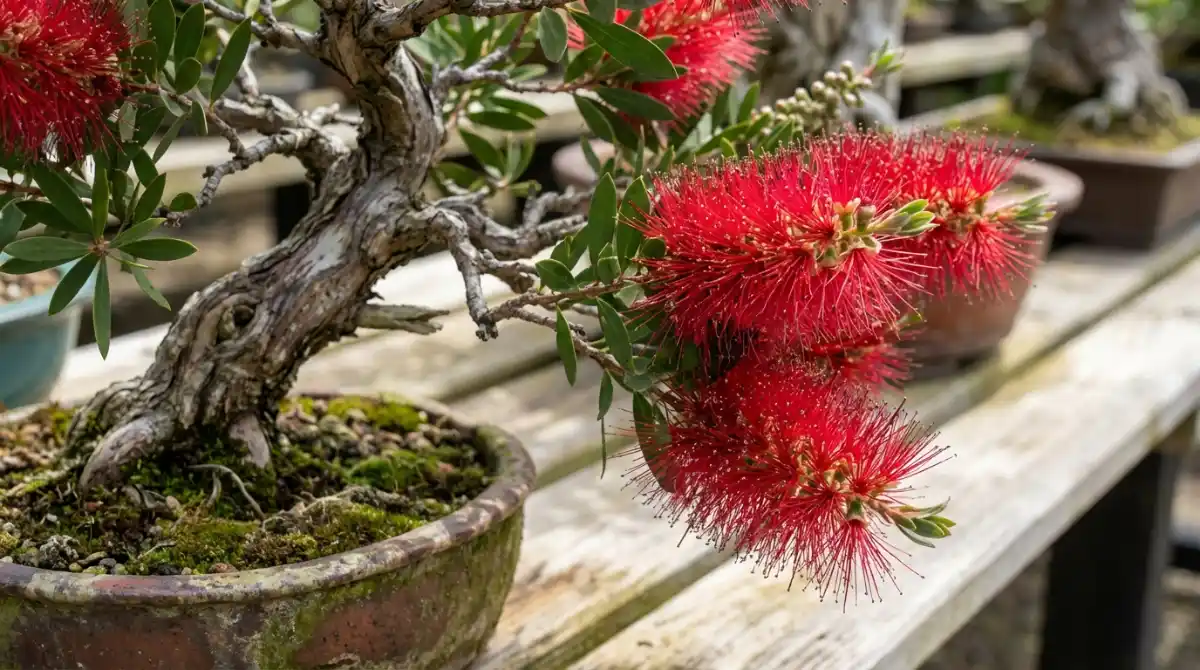
Callistemon, or Bottlebrushes, are renowned for their distinctive, brush-like flowers and generally tough nature, making them excellent candidates for Australian native bonsai. Their vibrant floral displays can be a stunning feature, and many species possess fine foliage and good ramification capabilities. They are highly adaptable and forgiving, often tolerating a range of conditions, which is beneficial for bonsai enthusiasts.
Species Selection and Characteristics
For bonsai, focus on Callistemon species with smaller leaves and a naturally compact growth habit. Callistemon citrinus ‘Little John’ is an exceptionally popular choice due to its dwarf size, dense foliage, and prolific flowering. Other excellent options include Callistemon viminalis ‘Miniature’ or other smaller cultivars. Look for plants with interesting trunk potential and strong basal branching. Callistemons often develop attractive textured bark with age and readily back-bud, even on old wood, making them responsive to bonsai training.
Watering Requirements
Callistemons are relatively tolerant of varied watering, but in a bonsai pot, consistent moisture is key, especially during flowering and active growth. Water thoroughly until it drains from the bottom, then allow the top layer of soil to dry out slightly before watering again. They can tolerate short periods of dryness but extended drought will cause stress and leaf drop. Overwatering, particularly in heavy soil or cooler periods, can lead to root issues. During hot Australian summers, daily watering may be necessary. Reduce watering in winter but do not let the root ball dry out completely.
Light and Temperature
Bottlebrushes thrive in full sun, requiring at least 6-8 hours of direct sunlight daily to promote vigorous growth and abundant flowering. Insufficient light will result in sparse foliage and reduced flower production. Most Callistemon species are quite hardy and can tolerate light frosts once established, but protection from severe frosts (below -5°C/23°F) is advisable for younger plants or those in smaller pots. In very hot climates, some afternoon shade can prevent scorching, although many are well-adapted to high temperatures.
Soil Composition and Repotting
A fast-draining, slightly acidic bonsai soil mix is ideal for Callistemons. A common blend includes akadama, pumice, and lava rock, possibly with a small amount of organic matter (e.g., composted pine bark) to aid moisture retention, especially in hot, dry climates. Avoid heavy, water-retentive soils. Repotting is generally required every 1-3 years for young, developing trees, and every 3-5 years for mature specimens, typically in late winter or early spring before new growth commences. When repotting, prune about one-third of the root ball, focusing on removing thick, circling roots and encouraging a healthy fibrous root system. Ensure the tree is watered well before and after repotting, and keep it in a sheltered spot for a few weeks to recover.
Fertilising Regimen
Callistemons benefit from regular fertilising during the growing season (spring to early autumn) to support strong growth and prolific flowering. Use a balanced liquid fertiliser at half strength every 2-4 weeks, or a slow-release granular fertiliser with a low phosphorus content, as many Australian natives are sensitive to high phosphorus. Avoid fertilising when the tree is dormant in winter. Always ensure the soil is moist before applying fertiliser to prevent root burn. Reduce fertilising if growth becomes too leggy.
Pruning and Wiring Techniques
Callistemons respond very well to pruning, readily back-budding on old wood. Hard structural pruning should be done in late winter or early spring. Throughout the growing season, pinch back new shoots to 1-2 sets of leaves once they have extended to 4-6 sets to promote ramification and keep foliage dense. Pruning after flowering can also help maintain shape and encourage new growth. Wiring is possible, but care should be taken as branches can become brittle with age and the bark can be marked easily. Use anodised aluminium wire and check frequently (every 6-8 weeks) to prevent it from biting into the bark. The ‘clip and grow‘ method is often highly effective for shaping Callistemons, leveraging their natural growth habit.
Pest and Disease Management
Callistemons are relatively disease-resistant. Common pests might include scale, mealybugs, or occasional aphids, especially on new growth. These can be managed with horticultural oil or insecticidal soap sprays. Ensure good air circulation around the plant to deter fungal issues. Maintaining overall tree health through proper cultural practices is the best defense. Inspect your bonsai regularly for any signs of infestation or disease to allow for early intervention.
General Australian Native Bonsai Care Principles
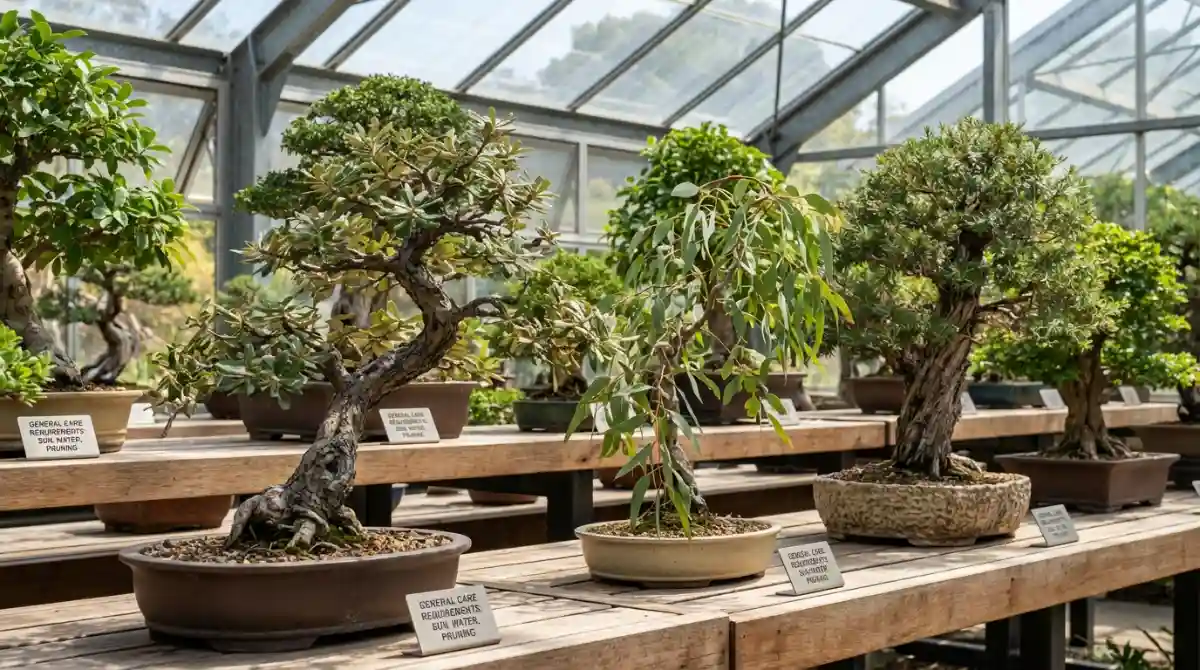
Beyond species-specific needs, several overarching principles apply to the successful cultivation of Australian native bonsai. These principles leverage the unique adaptations of these plants and contribute to their long-term health and aesthetic appeal.
Styling Considerations
When styling Australian native bonsai, embrace their inherent ruggedness and natural forms. Many natives lend themselves well to informal upright, slanting, semi-cascade, or windswept styles, reflecting their resilience in the harsh Australian landscape. Pay attention to the natural taper of the trunk and the way branches form in their native habitat. Deadwood (jin and shari) can be particularly striking on species like Eucalyptus, mimicking the effects of bushfires and harsh weather. Allow for natural movement and avoid overly rigid or formal styles that might not suit their character. The aim is to create a miniature representation of an Australian tree in its natural environment.
Training and Shaping
The ‘clip and grow‘ method is often highly effective for many Australian natives, especially those with vigorous growth and strong back-budding capabilities. This involves pruning shoots back to encourage denser ramification and taper, rather than relying solely on wiring. While wiring is possible, frequent checking is crucial due to rapid growth and delicate bark. For species with lignotubers, this natural adaptation can be leveraged to create impressive trunk bases from cuttings or saplings, by repeatedly cutting back to the lignotuber to stimulate new growth and thicken the base over time. This technique is particularly useful for developing substantial trunks quickly.

Protecting from Regional Climatic Challenges
Australia’s diverse climate presents unique challenges for bonsai cultivation. Understanding and mitigating these environmental stressors is vital for the health and longevity of your native bonsai.
Heat and Drought
Many Australian regions experience intense heat and prolonged dry spells. During hot periods, ensure adequate watering, potentially multiple times a day. Using deeper pots or slightly larger soil particles can help retain moisture. Placing pots in partial afternoon shade or using shade cloth can reduce heat stress and evaporation. Grouping trees together can also create a microclimate with higher humidity. Consider using a drip tray (without allowing roots to sit in stagnant water) or gravel trays to increase ambient humidity.
Frost and Cold
While many natives are adapted to light frosts, severe or prolonged freezes can damage sensitive species or young bonsai. Move vulnerable trees to a sheltered location, under a patio, against a warm wall, or into a greenhouse/cold frame. Protect roots by wrapping pots in burlap or bubble wrap. Avoid fertilising late in the season, as new tender growth is more susceptible to frost damage.
Wind Protection
Strong winds can quickly dehydrate bonsai and even blow them over. Place trees in a sheltered spot, especially during windy days. Use heavier pots for top-heavy designs or secure pots to benches. Windbreaks (natural or artificial) can significantly reduce exposure. Constant strong winds can also inhibit delicate new growth and cause leaf scorch.
Conclusion
Cultivating Australian native bonsai is a journey of discovery, offering a profound connection to Australia’s unique natural heritage. By understanding the specific needs of species like Acacia, Eucalyptus, and Callistemon, and by applying thoughtful care techniques, you can transform these resilient plants into stunning miniature landscapes. Embrace the challenges and rewards of this distinctive art form, and enjoy the rugged beauty of the Australian bush, brought to life in a bonsai pot.