Southern Hemisphere Seasonal Care
bonzai.co.nz
What You Will Learn
Discover the essential Southern Hemisphere bonsai calendar! This guide offers detailed seasonal care for New Zealand bonsai, covering flowering species and growing from seed, ensuring vibrant health year-round.
Southern Hemisphere Bonsai Calendar & Seasonal Care Guides
Table of Contents
- Mastering the Southern Hemisphere Bonsai Calendar
- Spring Bonsai Care (September – November): A Season of Reawakening and Vigour
- Summer Bonsai Care (December – February): Sustaining Life in the Heat
- Autumn Bonsai Care (March – May): Preparation for Dormancy
Mastering the Southern Hemisphere Bonsai Calendar
For enthusiasts residing in the Southern Hemisphere, particularly in diverse climates like New Zealand, understanding the unique rhythm of the seasons is paramount to cultivating thriving bonsai. Unlike their Northern counterparts, Southern Hemisphere bonsai experience spring from September to November, summer from December to February, autumn from March to May, and winter from June to August. This guide provides a comprehensive southern hemisphere bonsai calendar, offering detailed seasonal care instructions tailored for flowering species and those grown from seed, ensuring your miniature trees flourish year-round.
The art of bonsai is one of patience and observation, a constant dialogue between gardener and tree. This seasonal reversal requires a mindful adjustment of traditional bonsai practices, making local knowledge and adaptability key. Whether you’re nurturing a vibrant flowering Azalea or patiently raising a sturdy Pine from a tiny seed, aligning your care regimen with nature’s local timetable is crucial for health, vigour, and aesthetic beauty.
Spring Bonsai Care (September – November): A Season of Reawakening and Vigour
Spring in the Southern Hemisphere, from September through November, is a period of explosive growth and rejuvenation for most bonsai species. This is arguably the busiest and most critical time of year for foundational work.
Repotting: Essential for Health and Growth
Repotting is the cornerstone of spring care for many species. It’s essential to provide fresh growing medium and manage root growth. For most deciduous trees and many conifers, late winter to early spring, just as the buds begin to swell, is the ideal time. In New Zealand, this typically means late August to October. Consider the species: vigorous growers like Ficus or Elms might need annual repotting, while slower growers such as Pines or Junipers might only need it every 2-5 years. The process involves carefully removing the tree from its pot, untangling and pruning approximately 1/3 to 1/2 of the outer and bottom roots, and then repotting with a fresh, well-draining bonsai soil mix. For flowering species such as Azaleas or Camellias, repotting should ideally occur after their spring bloom to avoid disrupting their flowering cycle. Ensure the new soil mix is appropriate for your species – many flowering varieties prefer slightly more acidic conditions.
Pruning and Initial Styling: Shaping the Future
Spring is the prime time for structural pruning. As new shoots emerge, you can begin to make decisions about the tree’s overall shape. Remove any unwanted branches, crossing branches, or those growing in undesirable directions. This is also when you can perform initial styling work, wiring branches into their desired positions. For flowering bonsai, be mindful of where flower buds form. For instance, some species flower on old wood, others on new. Prune accordingly to encourage future blooms. Early spring is also an excellent time to begin deadwood work (jin and shari) on appropriate species like Junipers, taking advantage of the tree’s vigorous healing capacity.
Fertilization: Fueling the Growth Spurt
As soon as new growth hardens off slightly, typically a few weeks after repotting or when vigorous growth is observed, begin a consistent fertilisation regime. Start with a balanced, slow-release organic fertiliser, or a liquid feed at half strength, gradually increasing to full strength as the season progresses. Flowering species will benefit from fertilisers with a slightly higher phosphorus content during their bloom period and balanced feed otherwise. Monitor your tree’s response; over-fertilisation can burn roots, especially in freshly repotted trees.
Watering: Increasing Frequency
With warmer temperatures, longer daylight hours, and active growth, your bonsai will require more frequent watering. Check the soil moisture daily, ensuring the top layer dries out slightly between waterings but never allows the entire rootball to become bone dry. Water thoroughly until water drains from the bottom of the pot. Morning watering is generally best, allowing foliage to dry before nightfall.
Pest and Disease Management: Vigilance is Key
The abundance of new, tender growth in spring makes bonsai susceptible to pests like aphids, scale, and spider mites. Regularly inspect your trees, especially the undersides of leaves and new shoots. Address any infestations promptly with appropriate organic or chemical treatments. Good air circulation and hygiene can prevent many fungal diseases.
Bonsai from Seed: A New Beginning
Spring is an ideal time to sow seeds for many species. After stratification (if required for temperate species), sow seeds in shallow trays with a fine, well-draining medium. Provide warmth and consistent moisture. Once germinated, protect fragile seedlings from strong winds and direct harsh sunlight. This is a journey of many years, so patience from the outset is crucial.
Flowering Species Specifics
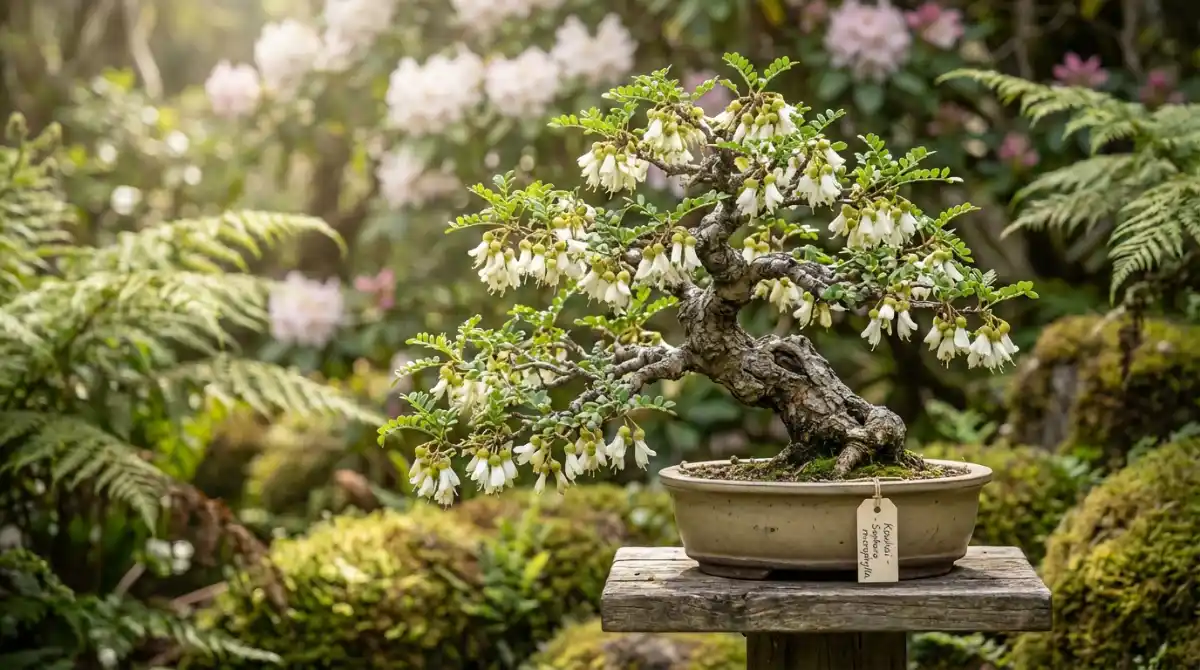
For species like Azaleas, Camellias, and some native New Zealand flowering plants, spring brings their spectacular display. After flowering, prune spent flowers to encourage new growth and prevent seed formation, which can drain energy. Ensure they receive adequate water and nutrients to recover from the energetic demands of blooming.
Summer Bonsai Care (December – February): Sustaining Life in the Heat
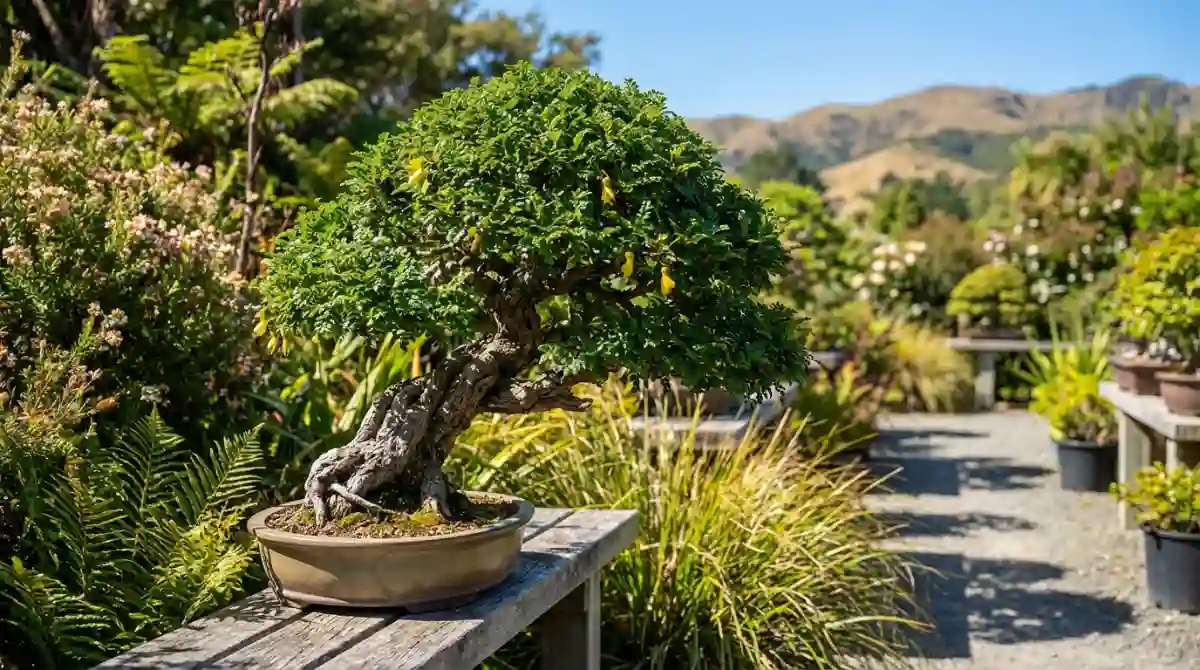
Southern Hemisphere summer, spanning December to February, presents unique challenges with intense heat and often dry conditions. The focus shifts from foundational work to maintenance and protection.
Watering: The Foremost Priority
Summertime watering is critical. High temperatures, strong winds, and the rapid growth of trees mean many bonsai may need watering once or even twice a day. The key is thoroughness. Water until it runs freely from the drainage holes. Consider using humidity trays or grouping trees together to create a more humid microclimate. During extreme heatwaves, shading or even moving trees to a cooler, shadier location for the hottest part of the day may be necessary. Misting foliage in the early morning or late afternoon can also help cool the tree and increase humidity, but avoid doing so in direct sun as it can scorch leaves.
Fertilization: Consistent Feeding for Vigor
Continue regular feeding throughout summer to support the ongoing vigorous growth. A balanced liquid feed applied every 1-2 weeks, or a slow-release granular fertiliser, works well. However, be cautious during extreme heat – it’s often best to withhold fertiliser on the hottest days to avoid stressing the roots. For flowering species, consider a fertiliser with slightly higher potassium content to support flower development and overall plant health, rather than just vegetative growth.
Pruning and Defoliation: Refining the Form
Summer is ideal for maintenance pruning – pinching new shoots to maintain the tree’s shape and encourage ramification (branching). For some deciduous species (e.g., Elms, Maples), defoliation can be performed in mid-summer. This technique involves removing all or most leaves to stimulate a second flush of smaller leaves, improve branch ramification, and reduce leaf size. This is an advanced technique and should only be performed on very healthy, vigorous trees. For flowering species, summer pruning typically involves removing spent flowers and light shaping to encourage bud formation for the next season.
Wiring: Vigilance Against Wire Bite
Continue to wire branches as needed for shaping, but monitor closely for wire bite. As branches thicken rapidly during summer growth, wires can quickly cut into the bark, leaving unsightly scars. Inspect wired branches weekly and remove or re-position wires as necessary. If a wire has started to bite, remove it immediately.
Protection from the Elements: Sunburn and Wind
Direct, intense summer sun can scorch leaves, especially on delicate species or those recently defoliated. Provide partial shade during the hottest part of the day (12 pm – 4 pm) using shade cloth or by positioning trees under larger trees. Strong winds can quickly dry out soil and dehydrate foliage; ensure your trees are in a sheltered location. For trees from seed, young seedlings are particularly vulnerable to sun scorch and desiccation and require consistent partial shade and meticulous watering.
Flowering Species Specifics
Some species, like certain varieties of Bougainvillea or Gardenia, may flower in summer. Ensure they receive consistent moisture and appropriate feeding to support their blooms. For spring-flowering species, the focus is on maintaining health and preparing for next year’s buds.
Bonsai from Seed: Nurturing Young Life
Young seedlings from spring sowings will be actively growing. They require protection from the intense summer sun and wind, consistent moisture, and light, regular feeding. Ensure their containers don’t dry out. Transplanting into slightly larger containers may be necessary if they outgrow their initial trays.
Autumn Bonsai Care (March – May): Preparation for Dormancy
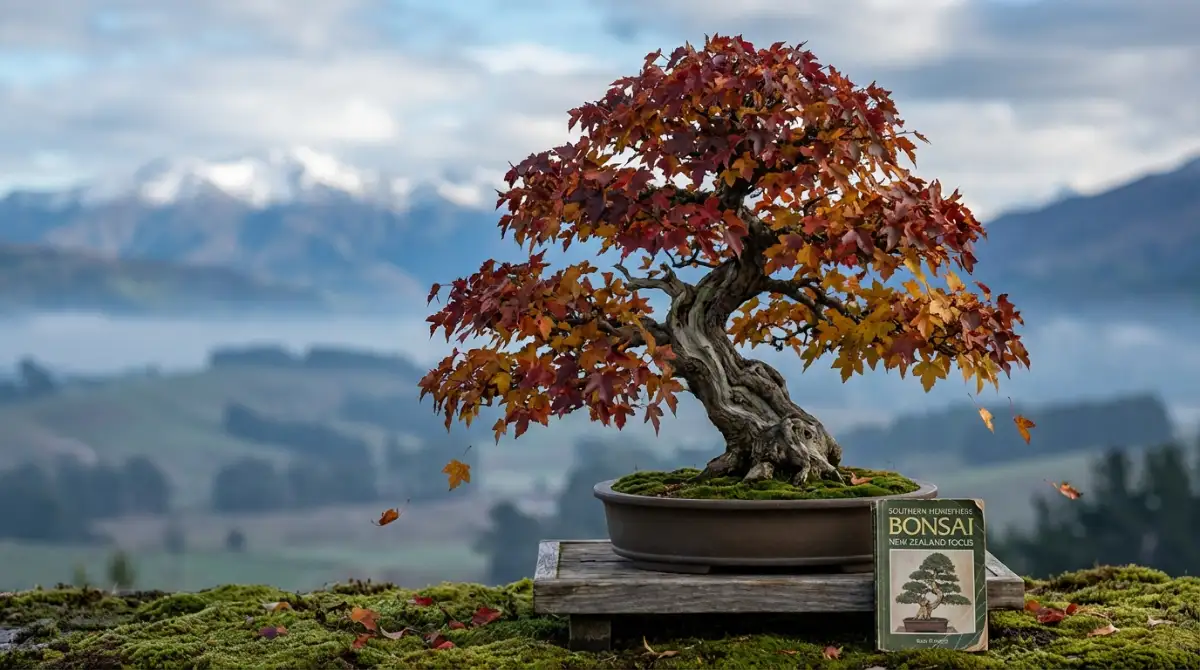
Autumn in the Southern Hemisphere, from March to May, is a transitional period where trees begin to slow their growth and prepare for winter dormancy. This season is crucial for strengthening your bonsai for the colder months ahead.
Reducing Fertilization: Hardening Off
As daylight hours shorten and temperatures begin to drop, gradually reduce the frequency and strength of your fertiliser. By mid-autumn, switch to a low-nitrogen fertiliser (higher in phosphorus and potassium) to promote root development and harden off new growth, making it more resilient to winter conditions. Stop fertilising entirely for most temperate species by late autumn.
Pruning: Light Maintenance and Final Shaping
Autumn is generally a time for light maintenance pruning. Remove any leggy, weak, or diseased growth. Avoid heavy structural pruning, as the tree’s healing capacity is diminishing, and large wounds may not close properly before winter, making the tree vulnerable to disease and frost damage. For deciduous trees, observing the branch structure as leaves fall provides an excellent opportunity for critical evaluation of the tree’s silhouette without foliage. For flowering species, deadhead any spent flowers and do light shaping, being careful not to remove buds that may have already formed for spring flowering.
Wiring: Last Chance for Shaping
If you need to make minor adjustments or apply new wires, early autumn is the last safe period before growth slows significantly. Be extra vigilant for wire bite, as trees will still be thickening. Remove any wires that have been on for too long or are starting to mark the bark. Wires left on over winter can cause severe damage as temperatures fluctuate and bark becomes brittle.
Watering: Gradual Reduction
As temperatures cool and growth slows, your bonsai will require less water. Reduce watering frequency, allowing the soil to dry out a bit more between waterings. However, do not let the soil become completely dry, especially for evergreens. Check soil moisture regularly; autumn rains can sometimes make manual watering less frequent, but don’t rely solely on them.
Pest and Disease Management: Winter Prep
Autumn is a good time to apply a dormant oil spray to many deciduous and some evergreen species. This helps smother overwintering pest eggs and fungal spores. Ensure good air circulation and remove any fallen leaves or debris from around the base of your trees to prevent fungal issues.
Flowering Species Specifics
For many spring-flowering species (e.g., Azaleas, Camellias), autumn is when flower buds for the next season are forming. Provide consistent, but not excessive, moisture and ensure they receive adequate sunlight. Protect these delicate buds from early frosts.
Bonsai from Seed: Preparing for First Winter
Young trees grown from seed during spring and summer need special attention. Hardy species can begin to acclimatize to cooler conditions, but tender seedlings, or those from tropical origins, should be prepared for indoor protection before the first frosts. Ensure they are well-watered but not waterlogged, and consider a light, low-nitrogen feed … (truncated)