Seasonal Care for Southern Hemisphere Bonsai
Master Southern Hemisphere bonsai care with our essential guide. Learn vital bonsai winter care southern hemisphere techniques, summer watering, spring budding, and autumn pruning tips for thriving trees. Bridge botany and maker-culture.
bonzai.co.nz
What You Will Learn
Master Southern Hemisphere bonsai care with our essential guide. Learn vital bonsai winter care southern hemisphere techniques, summer watering, spring budding, and autumn pruning tips for thriving trees. Bridge botany and maker-culture.
For enthusiasts in the Southern Hemisphere, mastering the art of bonsai presents a unique set of challenges and rewards, primarily due to the inverted seasonal cycle. While much of the traditional bonsai literature caters to Northern Hemisphere conditions, understanding the specific needs of your miniature trees through their distinct seasons is paramount. This comprehensive guide delves into essential seasonal care, with a particular focus on robust bonsai winter care southern hemisphere strategies, ensuring your collection thrives year-round, bridging traditional botany with modern, practical application.
Winter Protection and Dormancy (June – August)
Winter in the Southern Hemisphere brings a critical period for your bonsai. For many temperate species, this is a time of dormancy, a natural resting phase essential for their long-term health. Effective bonsai winter care southern hemisphere begins with understanding your local climate. While some areas experience mild winters, others face harsh frosts and prolonged cold snaps.
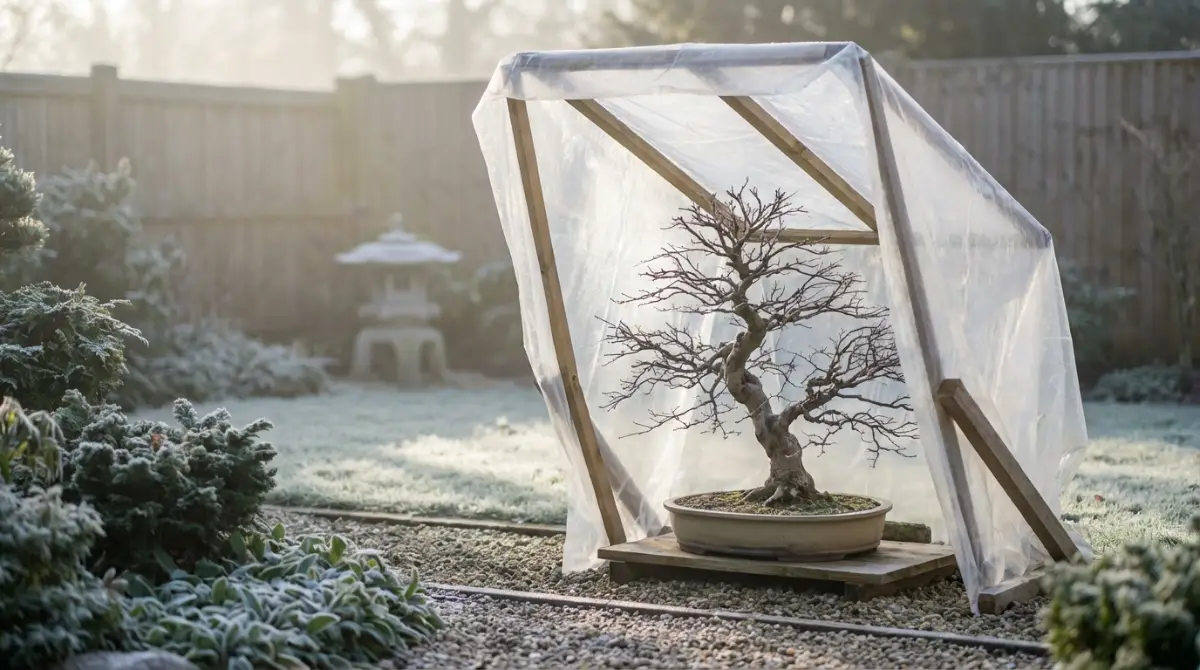
Frost Protection: The primary concern during winter is protecting your bonsai from freezing temperatures. Deciduous species are more resilient, but their roots can still suffer. Evergreens, especially tropical and sub-tropical varieties, require significant protection. Move sensitive trees to a sheltered location, such as under the eaves of a house, in an unheated greenhouse, or a cold frame. For those exposed to severe frost, consider insulating pots with bubble wrap, burlap, or burying them in mulch or soil. Ensure good air circulation to prevent fungal issues.
Reduced Watering: During dormancy, metabolic activity slows dramatically, meaning water requirements decrease significantly. Overwatering in winter is a common cause of root rot. Check the soil moisture carefully before watering; it should be allowed to dry out more thoroughly than in active growing periods. Water only on warmer days, preferably in the morning, to allow excess moisture to evaporate before temperatures drop at night.
Pest and Disease Monitoring: While activity is low, winter is an opportune time to inspect your trees for lingering pests or signs of disease. Dormant oil sprays can be applied to deciduous trees to smother overwintering insect eggs. Regularly remove any fallen leaves or debris from around the base of the tree to maintain cleanliness and reduce pathogen harborage.
Light and Airflow: Even in dormancy, some light is beneficial. If trees are moved indoors, place them near a window with indirect light. Crucially, ensure good air circulation to prevent stagnant conditions that promote mold and mildew. This meticulous approach to bonsai winter care southern hemisphere sets the stage for vigorous growth in the spring.
Summer Growth and Watering Strategies (December – February)
Southern Hemisphere summer is a period of explosive growth and high energy for most bonsai species. The intensity of the sun and prolonged warm temperatures demand a proactive approach to watering and feeding.
Increased Watering: Daily, and sometimes twice-daily, watering may be necessary, especially for trees in smaller pots or those exposed to full sun and wind. The goal is to keep the soil consistently moist but never waterlogged. Use a watering can with a fine rose to deliver water gently and thoroughly until it drains from the bottom of the pot. Humidity trays can also help increase local humidity around the tree.
Sun Exposure: While most bonsai need ample sunlight for robust growth, the harsh midday sun in the Southern Hemisphere can be too intense, leading to scorched leaves. Consider providing afternoon shade, either by moving trees to a shadier spot or using shade cloth. Species like maples and azaleas are particularly sensitive.
Fertilization: This is the peak feeding season. Apply a balanced liquid fertilizer regularly, typically every 1-2 weeks, or use a slow-release granular fertilizer. Adjust the strength and frequency based on the specific needs of your tree and its growth response. Consistent nutrition fuels the rapid shoot and root development essential for a healthy bonsai structure.
Initial Pruning and Shaping: Summer is often the time for initial structural pruning on vigorous species, allowing the cuts to heal quickly in the warm weather. Wiring can also be applied during this period, but vigilant monitoring is needed to prevent wires from biting into the rapidly expanding branches. For advanced techniques, explore resources on Advanced Bonsai Pruning Techniques.

Spring Budding and Fertilization (September – November)
Spring is a period of awakening and renewal, arguably the most exciting time for Southern Hemisphere bonsai enthusiasts. After the dormancy of winter, trees burst forth with new life, demanding attention to encourage strong, healthy development.
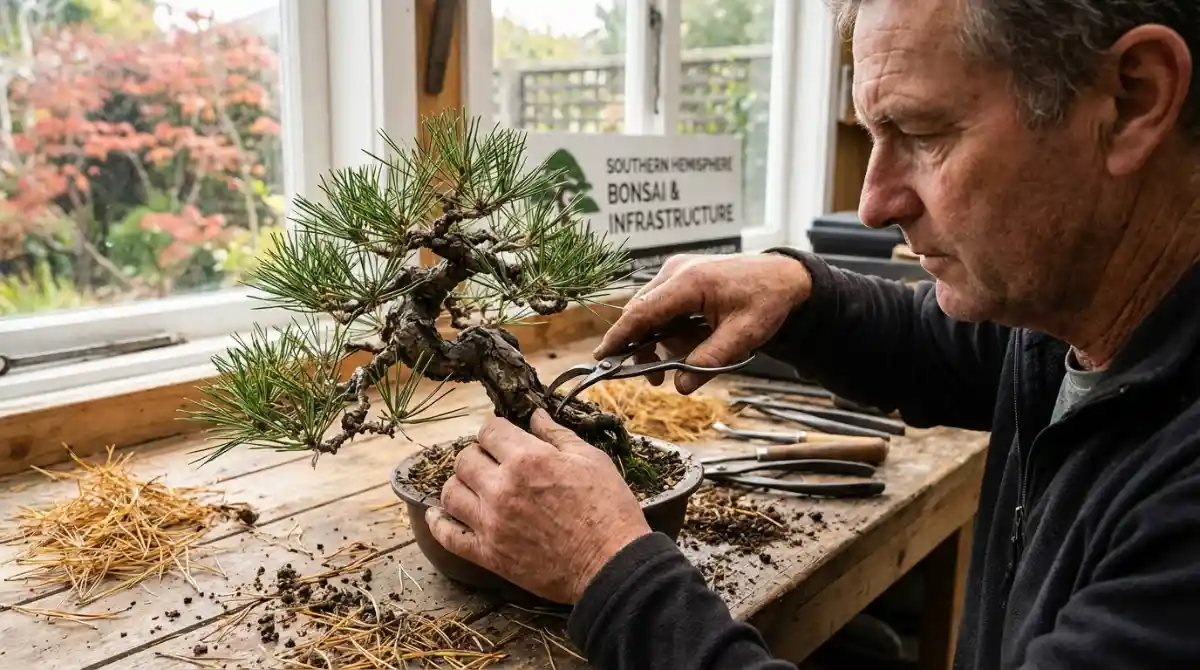
Repotting and Root Pruning: Early spring is the ideal time for repotting most species. This involves carefully removing the tree from its pot, untangling and pruning excess or circling roots, and placing it back into fresh bonsai soil. Root pruning stimulates the growth of fine feeder roots, crucial for nutrient uptake. After repotting, keep the tree protected from strong winds and direct harsh sun for a few weeks to aid recovery.
New Bud Development: Observe the swelling of buds and the emergence of new shoots. This is the time to start light shaping and defoliation for certain species, encouraging finer ramification and smaller leaves. Decandling pines can be performed to promote new growth flushes.
Increased Fertilization: As new growth accelerates, gradually increase your fertilization regime. Start with a balanced fertilizer and transition to higher nitrogen formulations for deciduous trees to support leafy growth, or adjust according to the specific needs of flowering or fruiting species. Monitoring the tree’s response is key.
Pest and Disease Vigilance: New, tender growth is particularly susceptible to pests like aphids, spider mites, and scale insects. Regular inspection is crucial. Implement integrated pest management (IPM) strategies, using organic solutions where possible, to keep your trees healthy. A general understanding of Bonsai Species Guide will help in identifying species-specific pest vulnerabilities.

Autumn Preparation and Pruning (March – May)
Autumn is a transitional season, a time for your bonsai to consolidate its summer growth and prepare for the approaching winter dormancy. This period is crucial for setting up your tree for success in the following year, continuing the cycle of attentive care that defines successful bonsai winter care southern hemisphere.
Reduced Fertilization: As temperatures begin to cool and daylight hours shorten, gradually reduce the frequency and strength of fertilization. Towards late autumn, switch to a low-nitrogen, high-potassium fertilizer to help harden off the wood and prepare the tree for dormancy, rather Tthan promoting new, tender growth that could be damaged by frost.
Structural Pruning: Late autumn, once deciduous trees have dropped their leaves, is an excellent time for structural pruning. Without leaves, the branch structure is clearly visible, allowing for precise cuts to refine the tree’s silhouette and develop its long-term design. Remove crossing branches, inward-growing branches, and any deadwood. Ensure all tools are sharp and sterile to facilitate clean cuts and rapid healing.
Watering Adjustment: As temperatures drop and growth slows, adjust your watering schedule downwards. While trees still need water, the soil will retain moisture for longer. Continue to check soil moisture before watering to prevent waterlogging.
Pest and Disease Prevention: Perform a final thorough inspection before winter. Address any lingering pest issues. Clean the growing area of fallen leaves and debris. This preventative autumn care significantly reduces the challenges faced during the winter months.
Mastering the seasonal rhythms of your bonsai in the Southern Hemisphere is a deeply rewarding journey. By understanding and adapting to the unique seasonal shifts, you provide your trees with the best possible conditions to flourish, embodying the enduring beauty of traditional botany through dedicated modern maker-culture practices. For further general horticulture advice, you may wish to consult resources like The Royal Horticultural Society.
This meticulous approach to seasonal care, especially our detailed guidance on bonsai winter care southern hemisphere, ensures that your collection not only survives but truly thrives, developing into exquisite living sculptures that bridge natural beauty with human artistry. Whether you’re a seasoned collector or just starting your journey, these guidelines provide a robust framework for nurturing your bonsai through every Southern Hemisphere season.