Mastering Species-Specific Bonsai Care for Thriving Trees
bonzai.co.nz
What You’ll Learn
Species-specific bonsai care involves understanding and applying unique cultivation techniques tailored to the biological needs of individual tree species. This approach recognizes that factors like watering, light, soil, and pruning differ significantly between a juniper and a maple, ensuring each bonsai thrives.
Bonsai cultivation is a delicate art that demands precision and knowledge. While general bonsai care guidelines exist, true mastery comes from understanding the individual needs of each tree species. Ignoring these distinctions can lead to stunted growth, health issues, or even the loss of your precious miniature tree. This guide will walk you through the essential aspects of species-specific bonsai care, ensuring your collection flourishes.
Why Species-Specific Bonsai Care Matters
Every bonsai tree, regardless of its size, carries the genetic blueprint and environmental adaptations of its full-sized counterpart. A Japanese Maple, for example, evolved in a temperate climate with distinct seasons, requiring a period of dormancy. A Ficus, on the other hand, originated in tropical regions and expects consistent warmth and humidity year-round. A one-size-fits-all approach simply will not work.
Understanding these origins helps you mimic a suitable environment. This custom approach ensures your bonsai receives the correct amount of water, light, and nutrients. It also guides your pruning and repotting schedules, aligning with the tree’s natural growth cycles. This tailored care is crucial for the long-term health and aesthetic development of your bonsai.

Deciduous Bonsai: Maple and Elm
Deciduous species, like the iconic Japanese Maple (Acer palmatum) or the Chinese Elm (Ulmus parvifolia), are known for their vibrant seasonal changes. They shed their leaves in autumn, enter a period of dormancy during winter, and burst with new growth in spring.
During dormancy, their watering needs significantly decrease. Pruning for ramification (developing fine branching) is often best performed when the tree is leafless, allowing for clear visibility of its structure. These trees thrive with adequate sunlight during growing seasons but may appreciate some afternoon shade in the hottest summer months to prevent leaf scorch.
Coniferous Bonsai: Juniper and Pine
Coniferous bonsai, such as the Shimpaku Juniper (Juniperus procumbens nana) and Japanese Black Pine (Pinus thunbergii), maintain their foliage throughout the year. Their care routines differ markedly from deciduous trees. Most conifers demand abundant sunlight to maintain their dense foliage and strong growth.
Pruning techniques involve methods like candle pinching for pines, which manages needle length and promotes back-budding. Junipers respond well to clip-and-grow methods combined with wiring to create dramatic shapes and intricate deadwood features, often referred to as jin and shari. They generally prefer well-draining soil and less frequent watering compared to many deciduous types.

Tropical and Subtropical Bonsai: Ficus and Schefflera
For those in cooler climates, tropical and subtropical bonsai like the Ficus (Ficus microcarpa) or Hawaiian Umbrella Tree (Schefflera arboricola) are excellent choices for indoor cultivation. These species do not experience dormancy and require consistent warmth, often above 15°C (60°F), and high humidity year-round.
They can be continuously growing, which means their repotting and pruning schedules are not strictly seasonal but rather depend on the tree’s vigor. Ficus species are especially resilient and can develop impressive aerial roots, adding to their unique aesthetic. They generally require more frequent watering and benefit from misting or a humidity tray.
Optimizing Growth Conditions
Beyond understanding species-specific traits, optimizing the environmental conditions is paramount. This involves careful consideration of light, water, humidity, and soil composition, all tailored to your specific bonsai.
Light Requirements
Light is the energy source for your bonsai. Most outdoor bonsai, especially conifers like pines and junipers, thrive in full sun for at least six hours a day. Deciduous trees such as maples and elms also need ample sun during spring and autumn but may require some partial shade in the intense heat of summer to protect their delicate leaves from scorching. Tropical indoor bonsai need bright, indirect light, often supplemented with grow lights during darker months. Regularly rotating your tree ensures even growth.
Watering and Humidity
The golden rule of watering bonsai is to water thoroughly when the topsoil feels dry to the touch. However, the exact frequency varies greatly. Conifers often prefer slightly drier conditions between waterings, while tropical species and some deciduous trees need more consistent moisture. Overwatering is a common killer, leading to root rot. Good drainage is vital. For species that love humidity, like Ficus, consider using a pebble tray or a room humidifier. You can learn more about proper watering techniques on Wikipedia.

Soil Composition and Fertilization
Bonsai soil is not typical potting soil. It’s a precise blend designed for excellent drainage, aeration, and moderate water retention. Components like Akadama, pumice, lava rock, and organic compost are mixed in varying ratios. For instance, pines prefer a coarser, faster-draining mix, while maples might benefit from a slightly more water-retentive blend.
Fertilization should also be species-specific. Actively growing trees need balanced nutrients. Developing trees might require higher nitrogen, while flowering or fruiting species benefit from higher phosphorus and potassium during certain periods. Always use a slow-release granular fertilizer or diluted liquid feed, applying it cautiously and never to a dry plant.
Repotting and Root Pruning
Repotting is essential for maintaining a healthy root system and providing fresh nutrients. The frequency depends on the species and its growth rate. Fast-growing trees like Ficus or some maples might need repotting every one to two years, while slower-growing conifers like pines might only need it every three to five years.
During repotting, root pruning is performed to remove old, circling roots and encourage the growth of new, fine feeder roots. This process is critical for preventing the tree from becoming root-bound and ensuring it can efficiently absorb water and nutrients. Always research the best time of year for repotting your specific species, usually in early spring before new growth begins.
Mastering Species-Specific Artistic Styling
The art of bonsai extends beyond basic horticulture; it involves shaping a tree into an aesthetically pleasing form. Each species has inherent characteristics that lend themselves to particular styles and techniques.
Pruning Techniques for Shape and Health
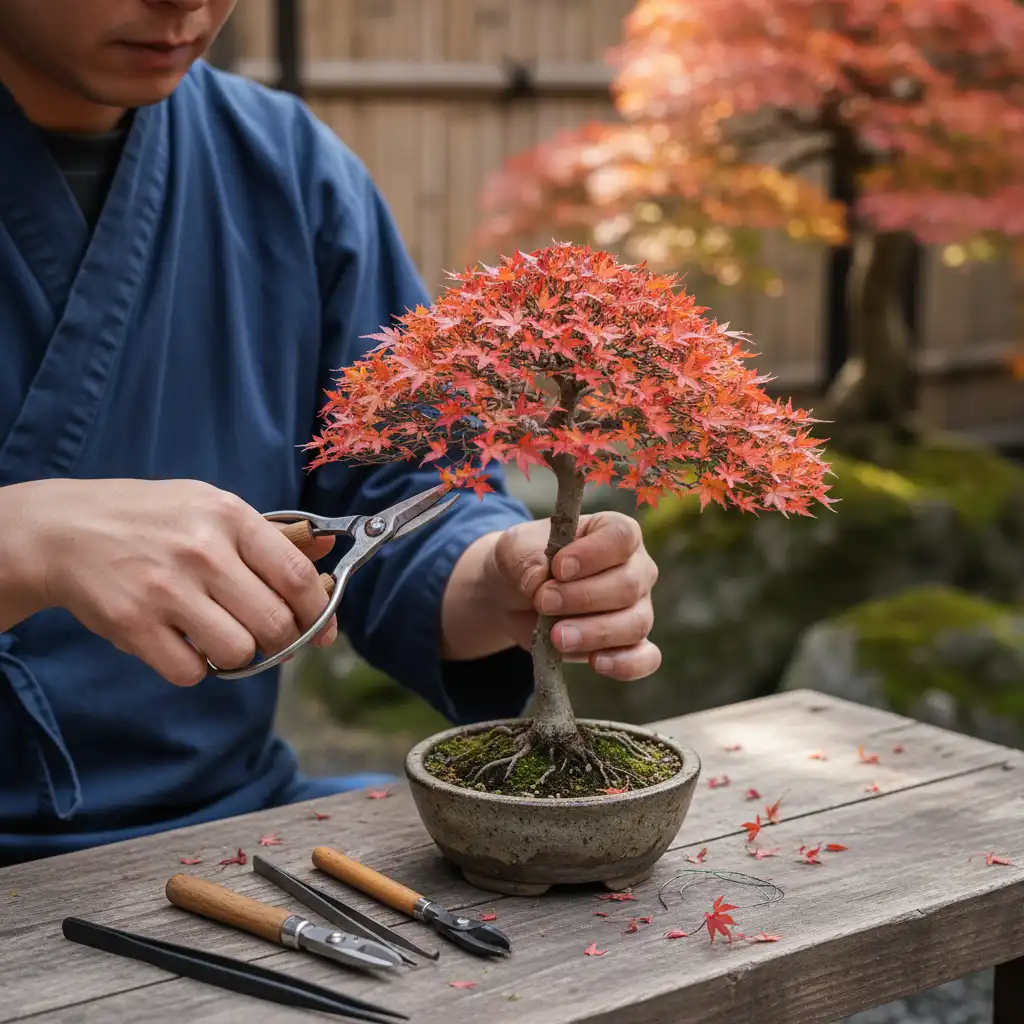
Pruning is the most fundamental styling technique. For pines, “candle pinching” in spring controls needle length and promotes density. Deciduous trees often benefit from “defoliation” (removing all leaves) in mid-summer to reduce leaf size and stimulate a new flush of smaller leaves. Hard pruning to establish primary branches is often done during dormancy, while maintenance pruning for ramification occurs throughout the growing season. The goal is to achieve a balanced, natural appearance while promoting the health of the tree.
Wiring and Shaping
Wiring allows you to bend and reposition branches to create desired movement and structure. The flexibility of branches varies greatly. Junipers and some maples are relatively pliable, while oaks and older pines can be very stiff and require careful handling or even splitting techniques.
Always use anodized aluminum or annealed copper wire of appropriate thickness. Apply wire gently, ensuring it doesn’t cut into the bark as the branch thickens. Remove wire before it constricts the branch, typically after 3-12 months depending on the species and growth rate. This is a critical step in advanced artistic styling for any bonsai.
Preventing Common Issues with Species-Specific Care
A key part of successful species-specific bonsai care is proactive prevention. Understanding common vulnerabilities for your particular tree type can help you avoid problems before they escalate.
Pest and Disease Management
Bonsai are susceptible to the same pests and diseases as their full-sized relatives. However, in their confined environment, infestations can spread rapidly. Species like junipers are prone to spider mites, while ficus can attract mealybugs. Regular inspection is vital. Early detection allows for organic treatments like neem oil or insecticidal soap. Good air circulation and proper watering help plants build natural resistance. Avoid over-fertilizing, which can attract sap-sucking pests.
Environmental Stressors and Adaptation
Protecting your bonsai from extreme weather is critical. Temperate outdoor species need winter protection from hard freezes, often requiring placement in a cold frame or unheated garage. Tropical indoor species must be shielded from cold drafts and sudden temperature drops. Conversely, excessive summer heat can stress many species, necessitating shade cloth or more frequent watering. Understanding the natural habitat of your specific species guides these protective measures.
The Bonsai Ecosystem: Sourcing and Cultural Aspects
The journey of bonsai cultivation extends to how we acquire our trees and appreciate their place in culture. This forms an integral part of comprehensive species-specific bonsai care.
Sourcing Healthy Specimens
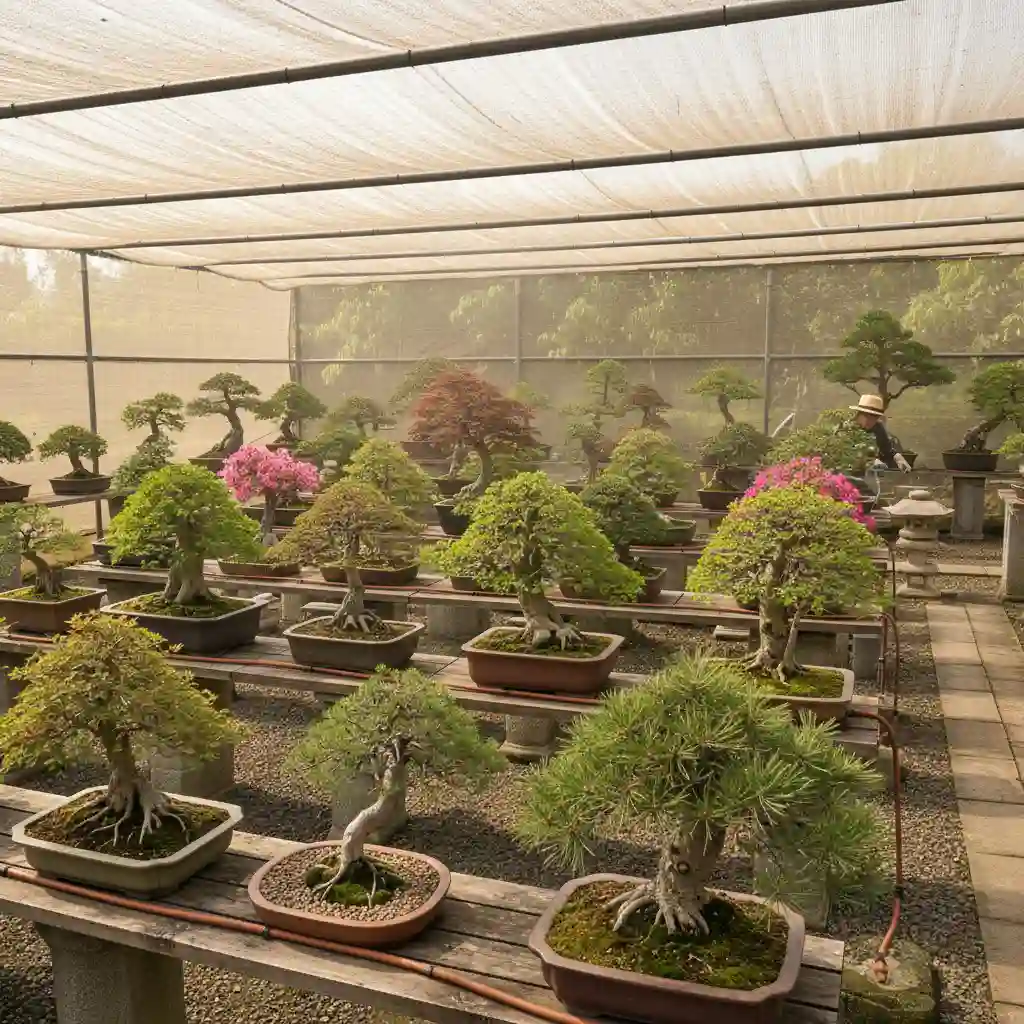
Starting with quality material is foundational. You can source bonsai from specialist nurseries, reputable online vendors, or even by collecting raw stock from the wild (known as yamadori, which requires ethical considerations and permits). When selecting a pre-bonsai or finished tree, look for healthy foliage, strong roots, and a trunk with good taper. Different species lend themselves to various starting points; some grow quickly from cuttings, others require years of development from seed or collected material.
Cultural Significance and Long-Term Vision
Bonsai is more than just growing a small tree; it’s a living art form with deep cultural roots. It embodies patience, respect for nature, and a long-term vision. Each species has been cultivated for centuries, with specific traditions and aesthetic principles guiding its styling. Embracing this heritage enriches your personal bonsai journey. The process of cultivating bonsai is continuous, a dialogue between the artist and nature, evolving over generations. This dedication is what makes bonsai a truly timeless pursuit.