Advanced Artistic Bonsai Techniques
bonzai.co.nz
What You’ll Learn
Advanced bonsai styling involves mastering intricate methods beyond basic pruning to shape trees into living sculptures. This includes precise wiring, creating lifelike deadwood, and refining overall aesthetics to express artistic vision and the tree’s natural beauty. These techniques elevate a bonsai from a plant to a profound art form.
For enthusiasts aiming to elevate their horticultural artistry, understanding advanced bonsai styling is crucial. It moves beyond simple maintenance, focusing on the deliberate creation of form and character. These techniques involve a deep appreciation for nature’s processes and a skilled hand to guide a tree’s development over many years.
The Foundation of Form: Mastering Wiring
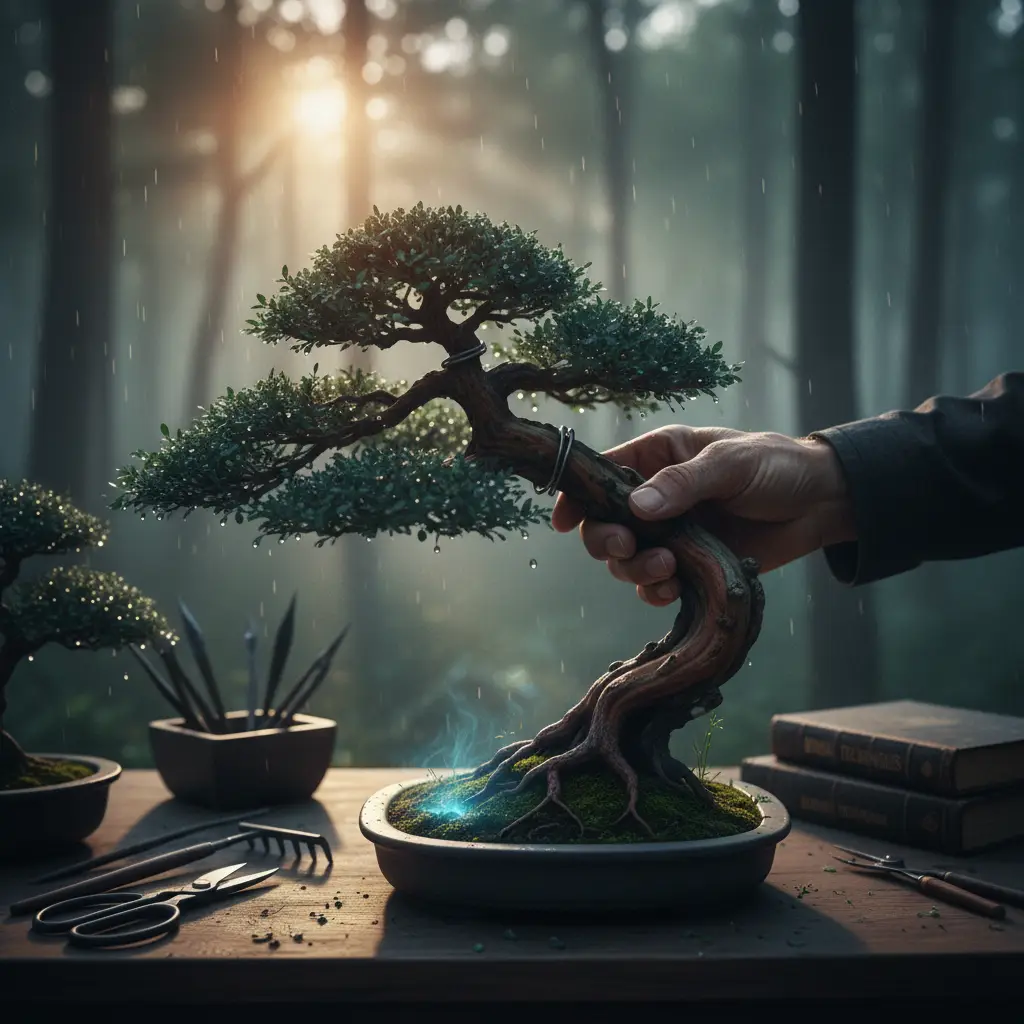
Wiring is fundamental to advanced bonsai styling. It allows you to direct branch growth, create graceful curves, and establish the overall silhouette. Without precise wiring, achieving complex styles like cascade or semi-cascade is nearly impossible.

Choosing the Right Wire
The type of wire you use matters. Anodized aluminum wire is common for its flexibility and ease of removal. Copper wire, though stiffer and harder to apply, offers superior holding power and is often preferred for older, more established branches. Select a wire thickness that is about one-third the thickness of the branch you are styling.
Applying Wire Safely and Effectively
Always wrap wire at a 45-degree angle to the branch. This ensures maximum hold with minimal pressure. Anchor the wire securely, either around the trunk or a stronger branch. Avoid crossing wires tightly, as this can impede sap flow and create unsightly marks. The goal is to shape, not constrict.
Monitoring and Removal
Regularly check your wired branches for signs of constriction, especially during periods of active growth. Wire biting into the bark can cause permanent scarring. Remove wire carefully by unwinding it in the opposite direction it was applied. Never pull it off forcefully. Timely removal is a key part of successful advanced bonsai styling.
The Art of Deadwood: Jin and Shari
Deadwood features like jin (denuded branches) and shari (peeled bark on the trunk) are hallmarks of mature bonsai. They mimic the effects of harsh natural elements, adding age, drama, and a sense of enduring struggle to the tree’s story. This technique is often seen in more dramatic styles.

Understanding Jin and Shari
Jin are dead branches, often stripped of bark and bleached. Shari refers to areas of exposed deadwood on the trunk. Both are created to look like natural damage from wind, lightning, or severe conditions. They tell a story of resilience, enhancing the aesthetic appeal of the bonsai.
Creating Natural Deadwood Effects
Specialized carving tools are used to create these features. After carefully removing bark, the exposed wood is treated with lime sulfur. This bleaches the wood and helps preserve it, preventing decay. The trick is to make the deadwood look ancient and natural, blending seamlessly with the living parts of the tree.
Care for Deadwood Features
Deadwood requires ongoing care. Annual application of lime sulfur helps maintain its bleached appearance and protects against rot. Inspect for pests that might bore into the wood. Proper maintenance ensures these striking features endure for many years, contributing to the tree’s unique character.
Refining Aesthetics: Beyond Basic Pruning
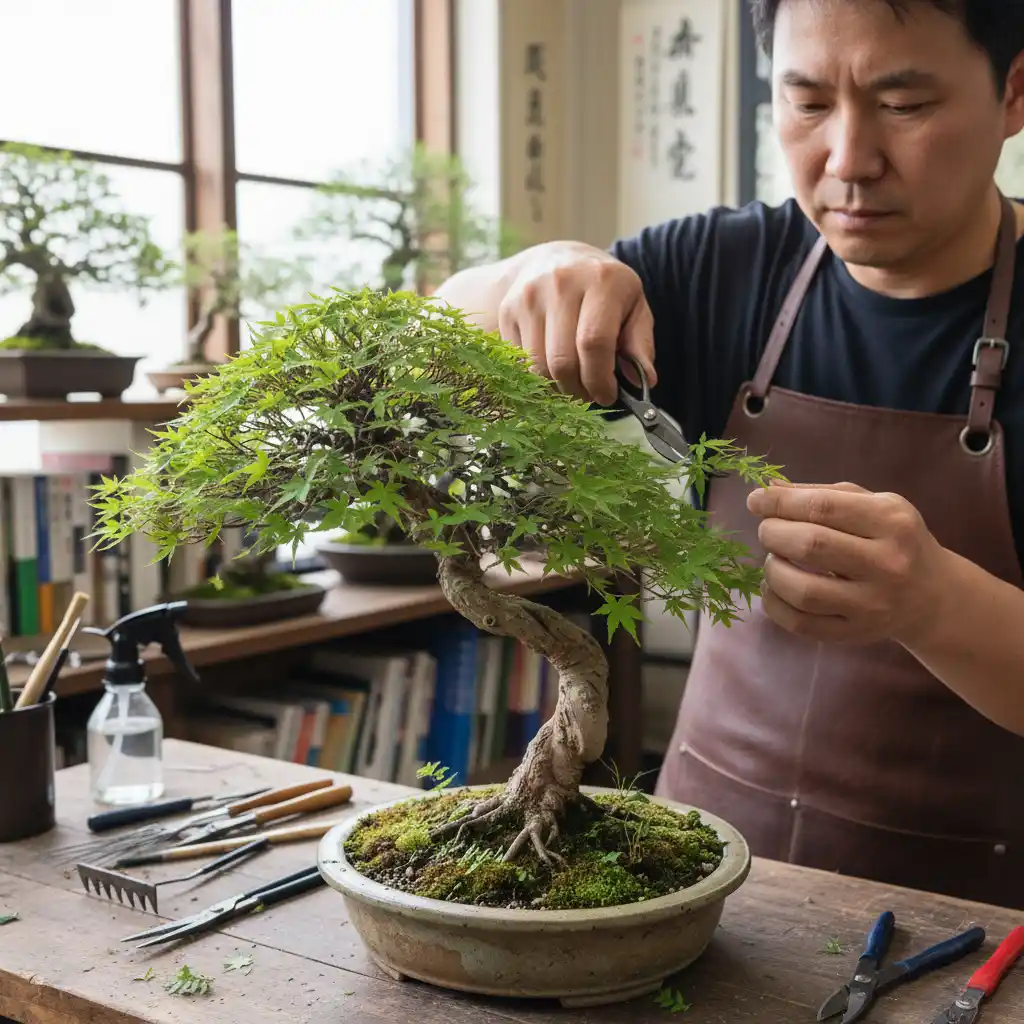
Pruning is not just about reducing size; it’s about shaping, encouraging ramification, and enhancing overall visual impact. Advanced techniques focus on developing a refined structure that supports the tree’s artistic vision. This includes careful attention to every branch and twig.
Ramification and Nebari Enhancement
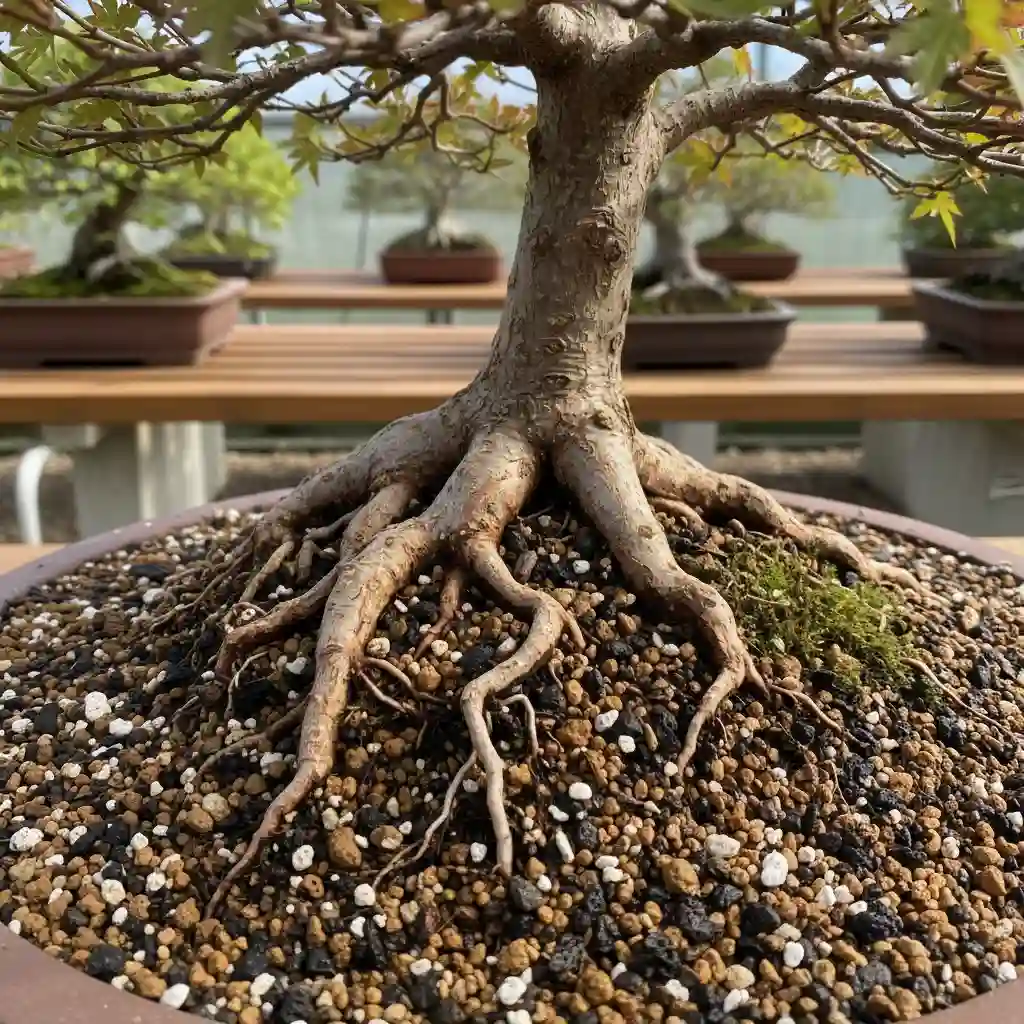
Ramification refers to the intricate network of fine branches and twigs that create a dense canopy. This is achieved through repeated pruning and pinching. Nebari, or the surface root flare, is equally vital. Exposing and spreading surface roots enhances stability and the illusion of age, grounding the tree visually.
Trunk Movement and Apex Development
The trunk is the heart of the bonsai. Creating appealing trunk movement—whether straight, curved, or twisted—sets the tree’s character. The apex, or top of the tree, requires careful development to complete the overall silhouette. It should taper gracefully, creating a sense of height and balance.
Species-Specific Styling Considerations
Each bonsai species has unique growth habits. Pines, for example, respond differently to pruning than maples or junipers. Understanding these differences is critical for successful cultivation and advanced bonsai styling. Researching specific species’ needs, such as seasonal pruning times or wiring suitability, ensures healthy development. For further reading on specific species, consult resources like Wikipedia’s Bonsai page.
Advanced Styling Forms and Concepts
Beyond the basic upright forms, bonsai encompasses a rich variety of artistic expressions. Exploring these forms allows for greater creativity and deeper connection to the tree’s story.
Literati and Bunjin Styles
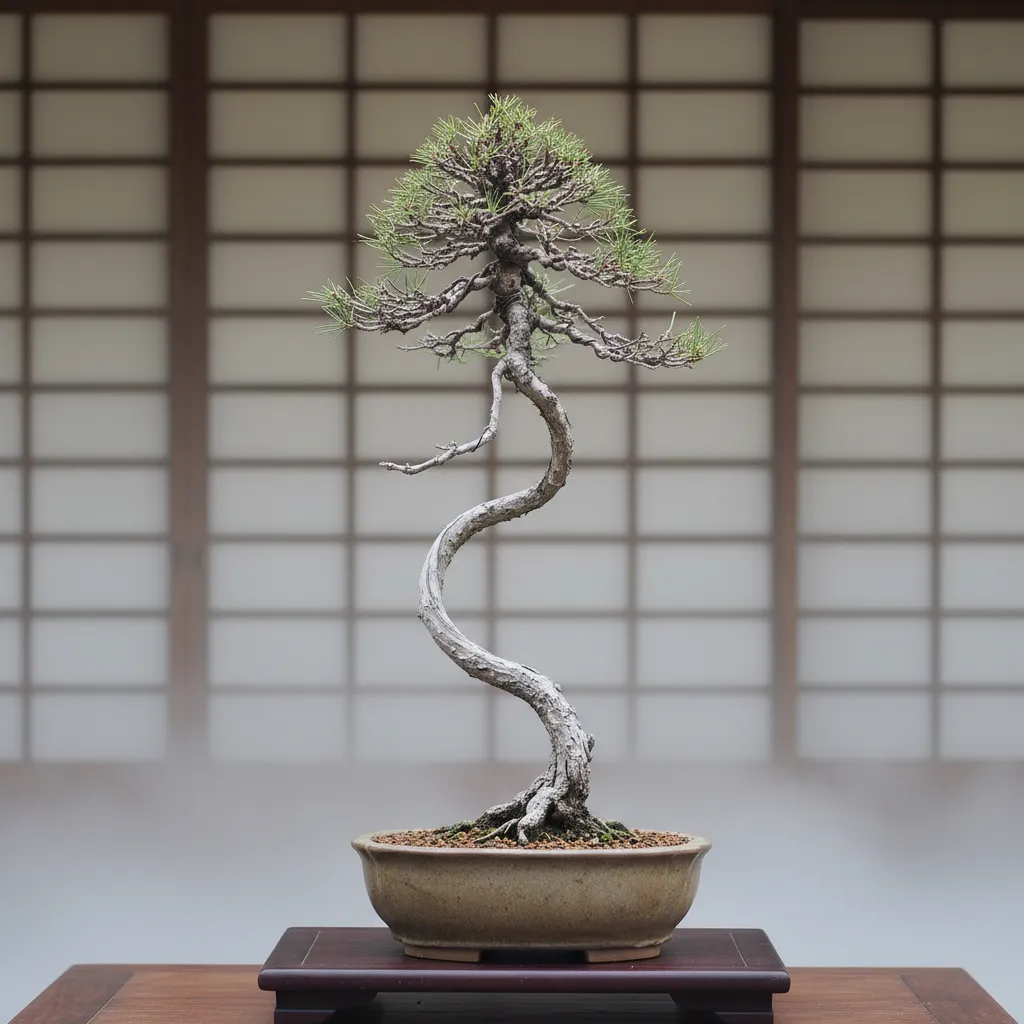
The Literati (Bunjin) style evokes trees found in harsh, natural environments, often characterized by a slender, winding trunk and sparse foliage primarily at the top. It reflects the simple, elegant aesthetic preferred by ancient Chinese scholars. This style demands a profound artistic sensibility.
Group Plantings and Landscapes (Saikei)
Group plantings (Yose-ue) feature multiple trees arranged to mimic a forest or grove. Saikei takes this further, creating miniature landscapes complete with rocks, soil, and sometimes even water features. These complex compositions require careful planning and a deep understanding of scale and perspective, fostering a small bonsai ecosystem.
Cultivating the Bonsai Ecosystem
Beyond shaping, maintaining a thriving bonsai involves understanding its delicate ecosystem. Proper bonsai care ensures the tree’s health and longevity, allowing artistic efforts to flourish.
Soil, Water, and Fertilization
The right soil mix provides essential drainage and aeration. Watering techniques must be precise, avoiding both over and under-watering. Fertilization is crucial for growth, but it must be balanced to support the tree without promoting excessive vigor that could disrupt its cultivated form.
Pest and Disease Management
Vigilance is key to preventing pests and diseases. Regular inspection allows for early detection and intervention. Organic solutions are often preferred to maintain the health of the entire bonsai ecosystem. Understanding common issues for specific species helps in proactive management.
Sourcing and Sustaining Your Collection
The journey of bonsai often begins with selecting the right material and extends into long-term care. Responsible sourcing and consistent maintenance are paramount.
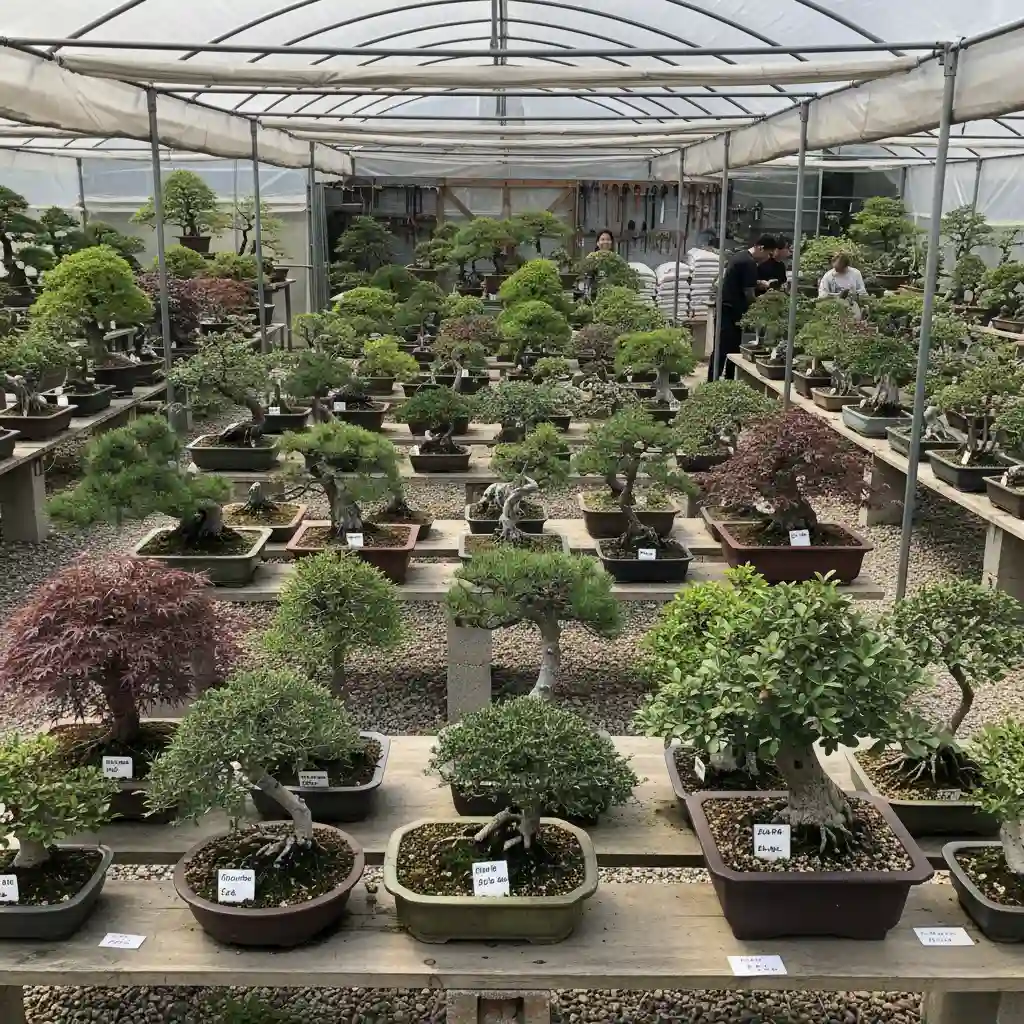
Ethical Sourcing
When acquiring new trees, choose reputable nurseries or collect raw material responsibly (with permission). This supports sustainable practices and ensures you start with healthy stock. Understanding the origins of your trees connects you to their natural history.
Seasonal Care and Microclimates
Bonsai care varies significantly with the seasons. Protecting trees from extreme winter cold or intense summer heat is vital. Creating favorable microclimates in your garden or home helps trees thrive, ensuring they remain robust enough to withstand the rigors of advanced artistic shaping.
Conclusion
Embarking on the path of advanced bonsai styling is a rewarding journey. It requires patience, continuous learning, and a deep connection to nature. By mastering wiring, deadwood artistry, and refined pruning, you can transform ordinary trees into extraordinary living art. Each technique, from developing strong nebari to creating intricate ramification, contributes to a profound expression of horticultural skill and artistic vision. Continue to explore, experiment, and enjoy the timeless beauty of bonsai.