Bonsai for Beginners: Foundations & Growth
bonzai.co.nz
What You’ll Learn
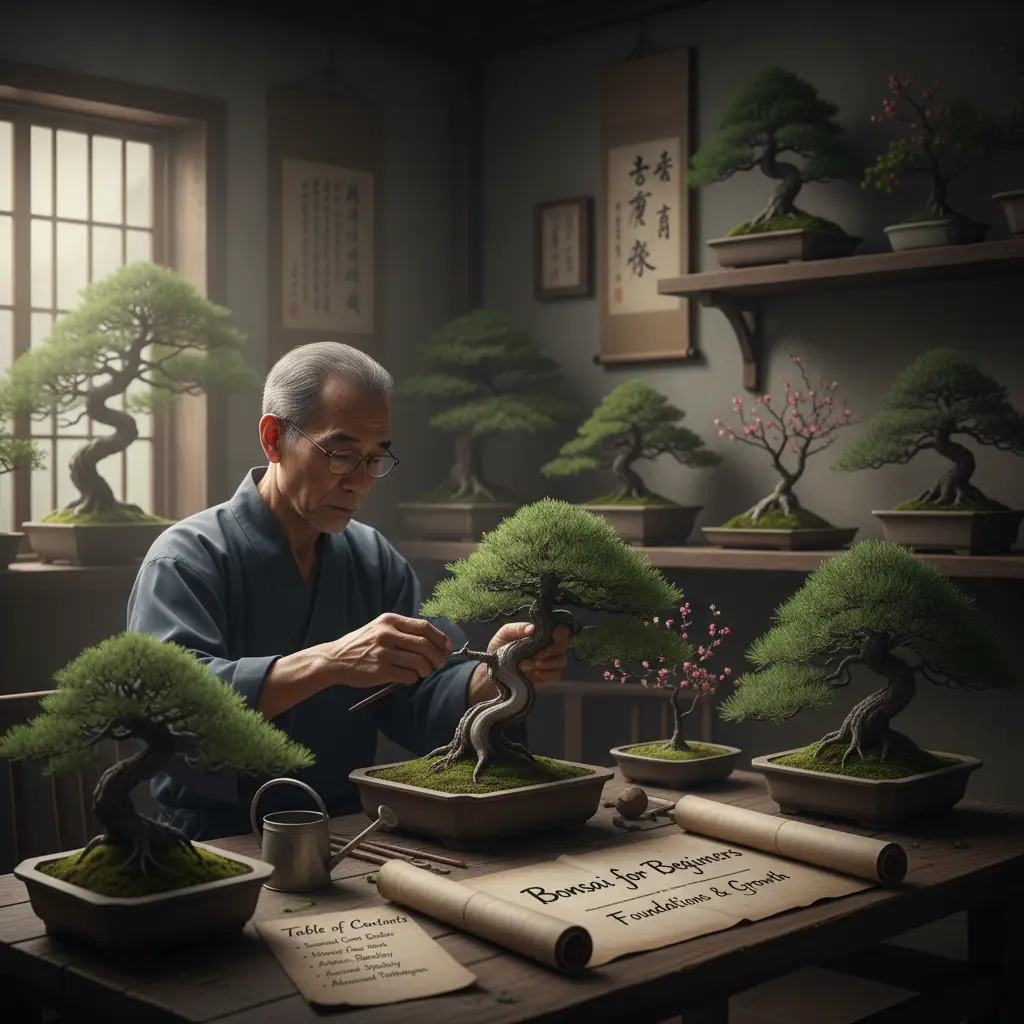
Bonsai is the ancient art of cultivating miniature trees in containers, carefully shaping and nurturing them to mimic full-sized trees. This practice blends horticultural science with artistic expression, requiring patience and knowledge of plant physiology to achieve a living masterpiece.
- Understanding the Art of Bonsai
- Why Cultivate Bonsai?
- Getting Started: Essential Tools and Choosing Your First Tree
- Fundamental Bonsai Care Techniques
- Shaping and Pruning Basics
- Comprehensive Seasonal Care Guides
- Overcoming Common Bonsai Challenges
- The Art of Bonsai Display and Presentation
- Continuing Your Bonsai Journey
Understanding the Art of Bonsai
Bonsai is more than just growing small trees; it is a living art form with deep roots in Asian culture. Originating in China, this practice was perfected in Japan, evolving into the refined discipline we know today. It embodies principles of harmony, balance, and patience, offering a unique connection to nature.
This ancient tradition aims to create miniature yet realistic representations of trees found in nature. Each bonsai tells a story, reflecting the forces of wind, sun, and time. Understanding its historical and cultural significance enriches your journey as a beginner.
Why Cultivate Bonsai?
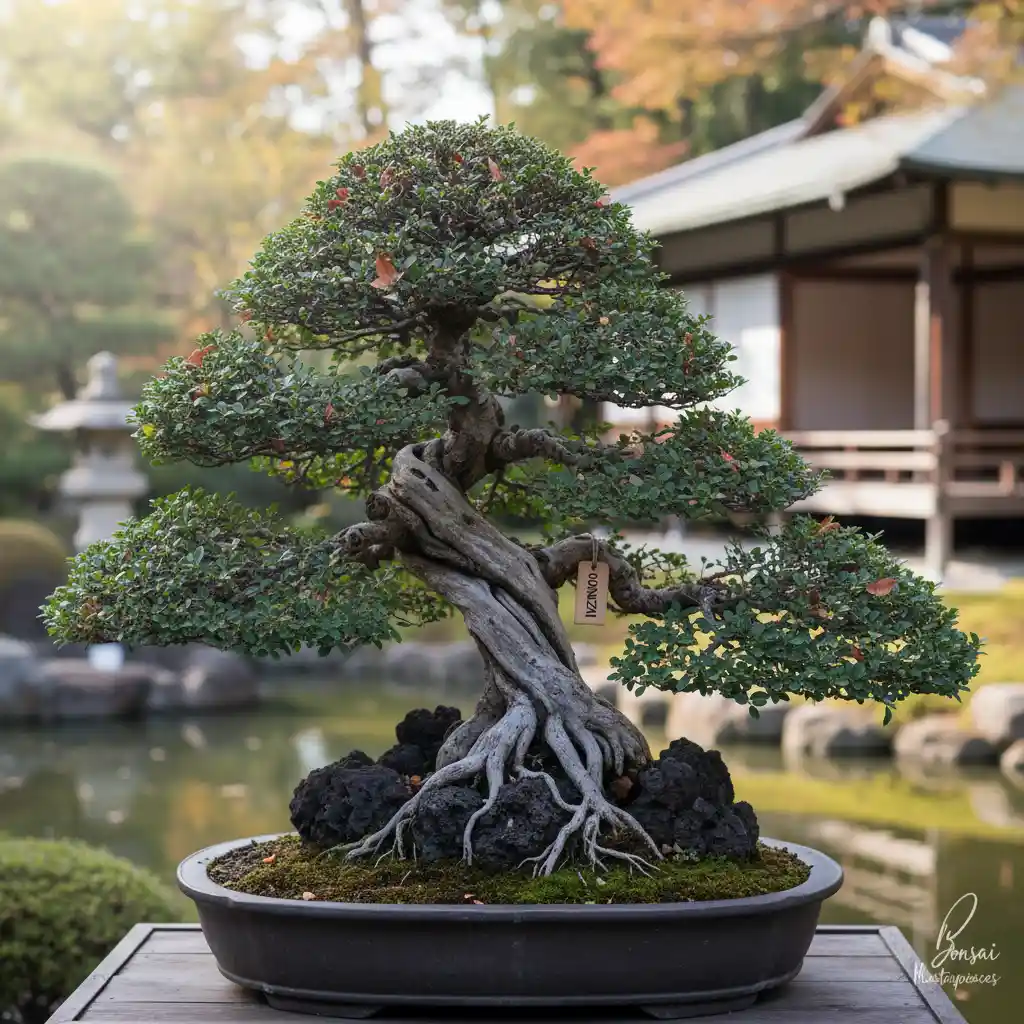
Embarking on the journey of Bonsai for Beginners: Foundations & Growth offers numerous rewards. It provides a peaceful and meditative hobby, reducing stress and fostering mindfulness. The artistic expression involved allows you to shape a living sculpture, reflecting your personal vision and aesthetic.
Beyond personal satisfaction, cultivating bonsai connects you to a global community of enthusiasts. It also teaches valuable lessons in patience, observation, and adaptability. Watching a tiny tree thrive under your care is a profoundly satisfying experience, enhancing your understanding of botany and design.
Getting Started: Essential Tools and Choosing Your First Tree
To begin your bonsai journey, a few essential tools will be helpful. Basic items include a sharp concave cutter for clean cuts, wire cutters for shaping, and a small rake for soil work. Investing in quality tools ensures healthier trees and a more enjoyable experience.
Choosing your first bonsai tree is an exciting step. For beginners, it’s crucial to select hardy, forgiving species. Popular choices include the Ficus (Ficus retusa), Juniper (Juniperus procumbens nana), and Chinese Elm (Ulmus parvifolia). These species are resilient and adapt well to various conditions, making them ideal for learning the foundational aspects of bonsai care.
Consider the tree’s health, trunk thickness, and overall potential for shaping. A healthy root system and vigorous growth are indicators of a good specimen. Local nurseries specializing in bonsai can provide excellent guidance.

Fundamental Bonsai Care Techniques
Proper care is the cornerstone of successful bonsai cultivation. Understanding the specific needs of your chosen species is vital. Consistent attention to watering, light, soil, and feeding will ensure your bonsai flourishes.
Watering and Humidity
Watering is perhaps the most critical task. Bonsai in small containers dry out quickly. Check the soil daily; water thoroughly when the topsoil feels dry to the touch. Ensure water drains freely from the pot. Humidity is also important, especially indoors. Misting or using a humidity tray can help replicate natural conditions.
Lighting Requirements
Most bonsai thrive with ample sunlight, ideally 6 hours or more of direct light per day. Outdoor placement in a sunny spot is often best. For indoor bonsai, a bright south-facing window or supplemental grow lights are necessary to maintain vigorous growth.
Soil and Repotting
Bonsai require a well-draining soil mix that retains some moisture. Typical mixes include akadama, pumice, and lava rock. Repotting is necessary every 1-3 years, depending on the tree’s growth rate. This process involves root pruning to maintain a healthy, compact root ball and refresh the soil. Learn more about optimal soil components at Wikipedia.
Fertilization
Regular fertilization replenishes nutrients lost from frequent watering and limited soil volume. Use a balanced liquid fertilizer or slow-release pellets during the growing season (spring through autumn). Reduce or stop feeding during winter dormancy.

Shaping and Pruning Basics
Shaping is where the artistic aspect of bonsai truly shines. Pruning and wiring are the primary techniques used to guide your tree’s development and achieve your desired aesthetic.
Structural Pruning
Structural pruning involves removing larger branches to define the tree’s overall form. This is typically done during the dormant season to minimize stress. Always make clean cuts flush with the trunk or main branch to promote proper healing.
Pinching and Trimming
Pinching and trimming are ongoing tasks to refine the tree’s silhouette and encourage ramification (branching). Regularly pinch back new growth and trim leaves to maintain the desired size and shape. This encourages denser foliage and finer branches.
Wiring Fundamentals
Wiring allows you to bend and reposition branches, creating dramatic movement and mature shapes. Use anodized aluminum or copper wire. Apply it carefully, spiraling upwards at a 45-degree angle. Monitor the wire to ensure it doesn’t cut into the bark as the branch thickens, removing it before it causes damage.

Comprehensive Seasonal Care Guides
Bonsai care changes with the seasons, requiring a holistic understanding of their natural cycles. Adapting your routines to seasonal shifts is crucial for your tree’s long-term health and vitality.
Spring: Awakening and Growth
Spring is a period of vigorous growth. Increase watering and begin regular fertilization. This is the ideal time for repotting, major pruning, and initial wiring. Protect delicate new foliage from late frosts.
Summer: Maintenance and Protection
During summer, trees need consistent watering, sometimes daily. Provide partial shade during the hottest parts of the day to prevent leaf scorch. Continue fertilization and light trimming to maintain shape. Watch for pests as they are more active in warmer months.
Autumn: Preparation for Dormancy
As temperatures drop, growth slows. Reduce fertilization and gradually decrease watering. Autumn is a good time for final shaping and wiring before dormancy. Ensure your tree hardens off naturally in preparation for winter.
Winter: Rest and Protection
Winter is a period of dormancy. Outdoor trees require protection from freezing temperatures, especially their roots. Bring sensitive species indoors to a cool, bright location. Reduce watering significantly, only providing moisture when the soil is dry to prevent dehydration.
Overcoming Common Bonsai Challenges
Even with careful attention, challenges can arise. Common issues include pests, diseases, and environmental stress. Early detection and prompt action are key to maintaining your bonsai’s health and promoting environmental resilience.
Inspect your trees regularly for signs of distress, such as discolored leaves, sticky residue, or visible insects. Use organic pest control methods or appropriate horticultural sprays as needed. Proper air circulation and hygiene can prevent many fungal diseases.
Understanding your tree’s specific species-specific content regarding resistance to common ailments can also help. Adapt to your local climate conditions, providing extra protection during extreme weather events.

The Art of Bonsai Display and Presentation
Presenting your bonsai is an integral part of the art form. The choice of pot, stand, and accompanying elements (called ‘accent plants’ or ‘shitakusa’) can greatly enhance the tree’s beauty and tell a more complete story. Consider the overall balance and harmony.
Select a pot that complements the tree’s style, color, and size. Display your bonsai at eye level, allowing viewers to appreciate its intricate details. The setting should highlight the tree without distracting from it, creating a serene and thoughtful artistic display.
Continuing Your Bonsai Journey
The path of Bonsai for Beginners: Foundations & Growth is a continuous learning experience. Once you’ve mastered the basics, explore advanced techniques such as grafting, air layering, and creating more complex styles. Join local bonsai clubs or online forums to foster engagement with fellow enthusiasts.
Deepening your authority means delving into species-specific content clusters, understanding the nuances of different tree types. Embrace richer media formats like videos for complex techniques to compete with industry leaders and truly elevate your skill set. The reward lies in the ongoing process of creation and connection.
Conclusion
Cultivating bonsai is a journey of patience, artistry, and profound connection to the natural world. From understanding the foundational elements to nurturing consistent growth, every step brings you closer to mastering this ancient craft. We hope this guide on Bonsai for Beginners: Foundations & Growth has equipped you with the knowledge and inspiration to start your own living masterpiece. Enjoy the rewarding process of creation and watch your miniature trees flourish.