Bonsai Species Comparison for Different Climates
bonzai.co.nz
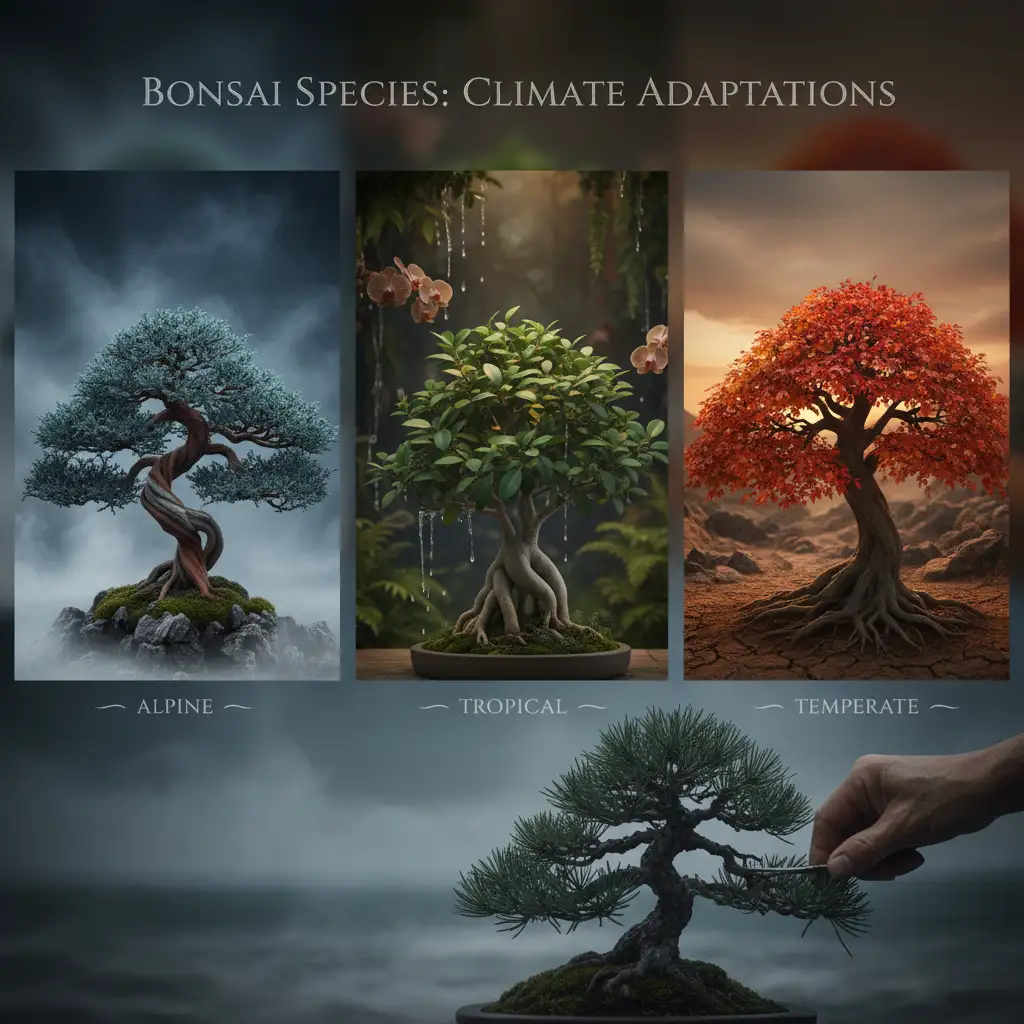
A bonsai species comparison helps enthusiasts choose the best tree for their environment, ensuring optimal growth and health. This involves evaluating factors like cold hardiness, humidity needs, and natural growth habits to match a species perfectly with local climate conditions, whether tropical, temperate, or cold.
Choosing the right bonsai species is key to success. Your local climate plays a huge role in how well a tree will grow. Understanding the differences between species helps you make informed choices, leading to healthier and more beautiful bonsai. For context on the local evolution of bonsai, explore the History of Bonsai in NZ: From Early Imports to Native Excellence.
This guide offers a comprehensive bonsai species comparison, detailing how different trees react to various environmental factors. We will explore everything from leaf type to root development, making sure you have the knowledge to pick your perfect tree.
Deciduous vs. Evergreen Species
Bonsai trees generally fall into two main categories: deciduous and evergreen. Each type has unique characteristics that affect its care and suitability for different climates. Knowing these differences is crucial for any bonsai enthusiast.
This section will help you understand the core distinctions, preparing you for a more detailed bonsai species comparison later on. We will look at both their aesthetic appeal and their specific needs.
Deciduous: Benefits and Challenges
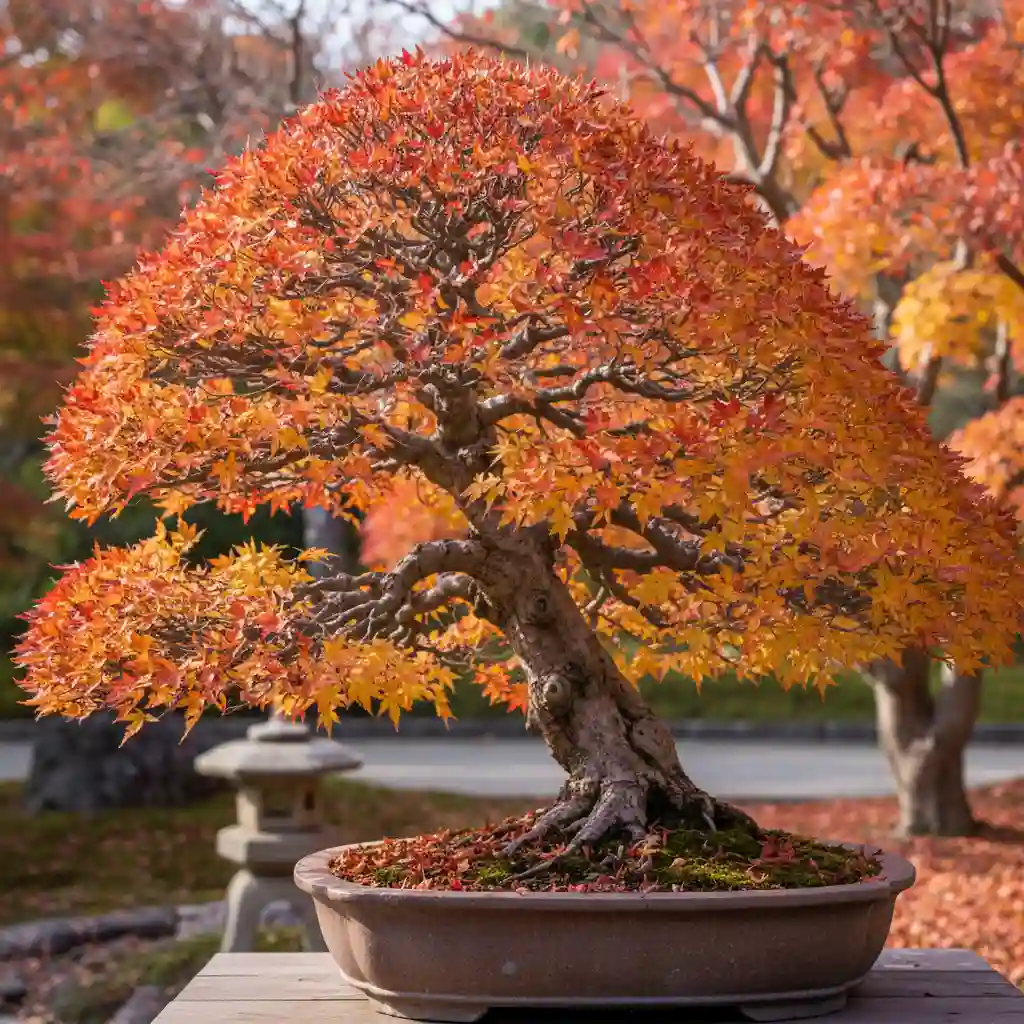
Deciduous bonsai trees, like Japanese Maples and Chinese Elms, offer a dramatic seasonal display. They lose their leaves in autumn, revealing intricate branch structures. This provides a unique beauty, showcasing the tree’s architecture.
They require a winter dormancy period, which means protecting them from harsh freezes while ensuring they get enough cold. Their care also involves careful defoliation techniques to reduce leaf size and encourage ramification, a vital part of advanced bonsai styling.
Evergreen: Benefits and Challenges
Evergreen bonsai, such as Junipers, Pines, and Ficus, maintain their foliage throughout the year. They offer constant greenery and a steady presence in your collection. This makes them popular for indoor bonsai, especially tropical evergreens.
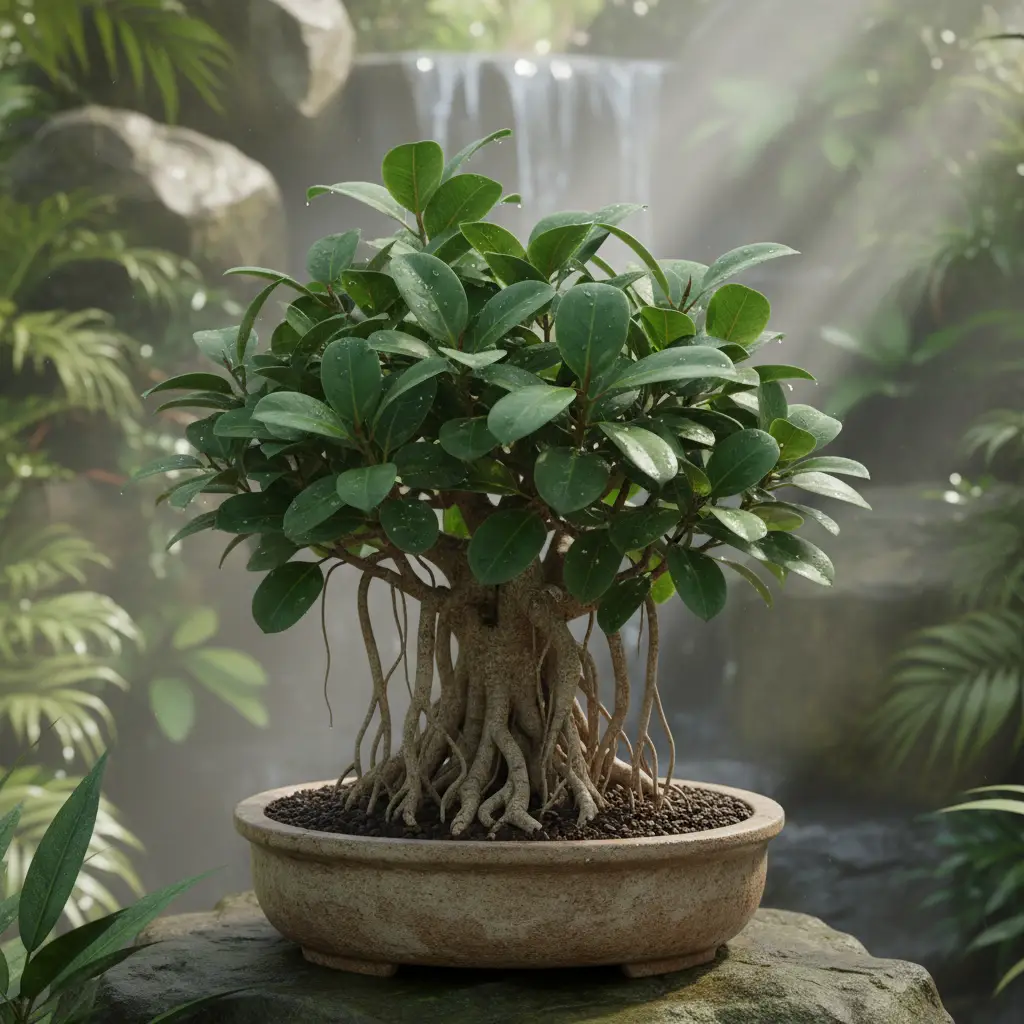
Pines and Junipers, common outdoor evergreens, need specific attention to needle reduction and wiring for their distinct aesthetic principles. For detailed insights into these popular evergreens, explore our article on Juniper Bonsai Care: Styling & Maintenance. Tropical evergreens like Ficus benjamina thrive indoors with consistent warmth and humidity, but require diligent watering schedules and pest management.
Matching Species to Climate
The success of your bonsai largely depends on how well its natural needs align with your local climate. This isn’t just about temperature; it includes humidity, sunlight, and seasonal changes. Choosing wisely enhances user experience and plant health.
A thoughtful bonsai species comparison based on climate can prevent many common problems. It ensures your tree is not constantly stressed, allowing it to flourish and develop its unique form.
Tropical Climates
For tropical climates, species like Ficus, Jade, and Dwarf Schefflera are ideal. They prefer consistent warmth, high humidity, and do not tolerate cold temperatures. These trees can often be grown outdoors year-round in frost-free regions.
They typically grow fast, making them good choices for beginners eager to practice Bonsai Pruning & Wiring Techniques. However, they need careful attention to watering and fertilization guides to prevent root rot and ensure vigorous growth.
Temperate Climates
Temperate zones offer a wide range of options, including Japanese Maples, Elms, Pines, and Junipers. These species benefit from distinct seasonal changes, including a cold dormancy period in winter. Most temperate bonsai need to be kept outdoors.
Protection from extreme winter cold or summer heat might be necessary. Regular root pruning and repotting are essential to maintain tree health and ensure proper soil composition, preventing nutrient depletion and promoting strong development.
Cold Climates
Bonsai in cold climates require species with excellent cold hardiness, such as Larch, Spruce, and some varieties of Pine. These trees need to experience freezing temperatures to complete their dormancy cycle but must also be protected from extreme, prolonged frosts.
Winter care is critical, often involving placing them in unheated garages or cold frames. Proper soil drainage is also vital to prevent root damage from freezing moisture. Understanding advanced species-specific care for these hardy trees is paramount for their survival.
Growth Habits Comparison
Beyond climate suitability, understanding the natural growth habits of different bonsai species is crucial for effective styling and long-term health. Each species has unique patterns of development that influence how you train and shape it. This knowledge enhances both immediate reader engagement and trust signals with proper cultivation advice. For those interested in acquiring wild stock ethically, explore the NZ Yamadori Principles: Ethical Collection & Cultivation of Wild Stock.
Comparing growth habits helps you anticipate how a tree will respond to techniques like pruning and wiring. It allows for more precise bonsai styling, leading to a more natural and aesthetically pleasing outcome. Source: Wikipedia
Trunk and Branch Development
Some species, like Pines, develop thick, gnarled trunks slowly, requiring patience. Others, such as Elms and Ficus, thicken more rapidly and are forgiving with cutbacks, producing new branches easily. This affects the speed at which you can achieve a mature-looking trunk.
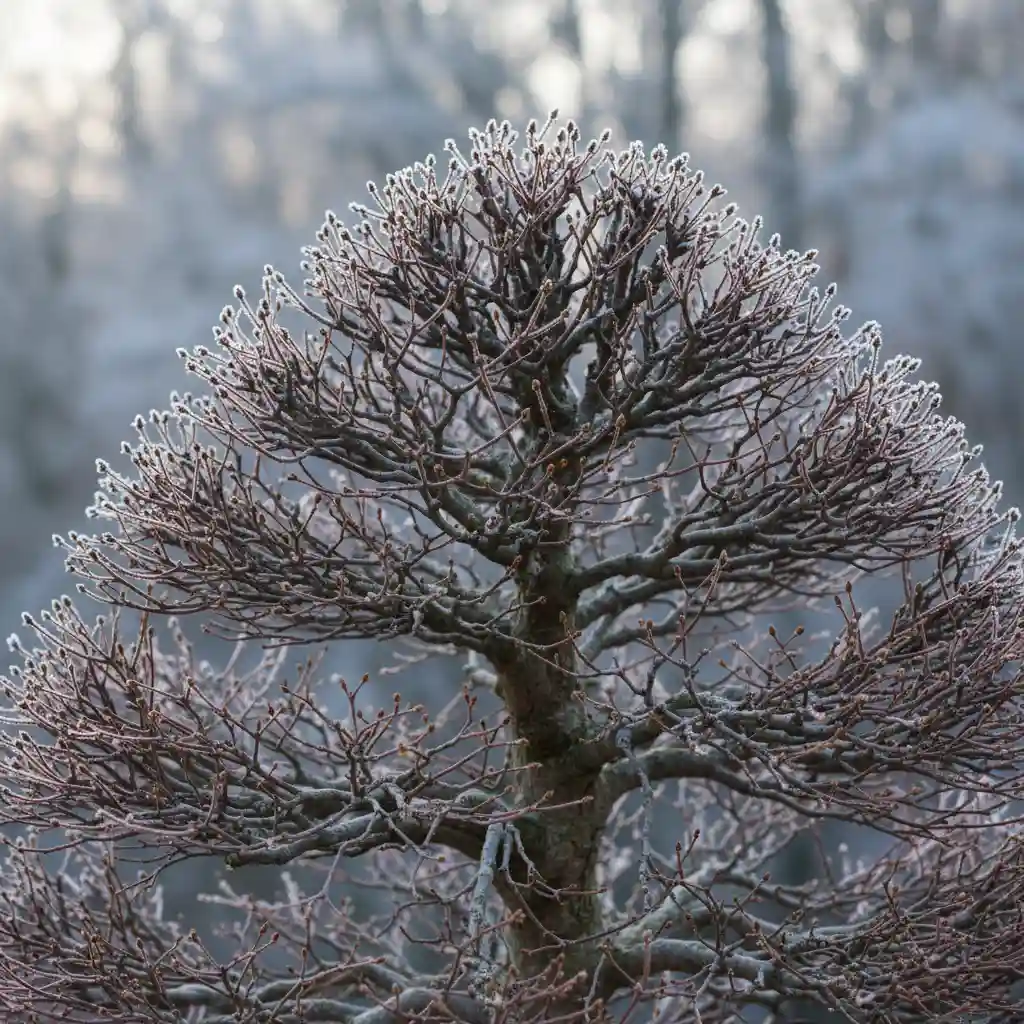
Branch ramification, the development of fine twigs, also varies greatly. Maples are known for excellent ramification, while some conifers need specific techniques to encourage denser branching. Understanding these patterns guides your pruning strategy.
Root Systems and Repotting
Root system vigor differs significantly. Fast-growing trees like Ficus often require repotting every one to two years, with substantial root pruning. Slower-growing conifers, such as Pines, might only need repotting every three to five years.
The type of root system (fibrous vs. taproot dominant) influences your repotting approach and choice of bonsai soil mix. Proper root care is fundamental for nutrient uptake and anchoring the tree, directly impacting the tree’s overall health and organic growth.
Leaf Size and Ramification
The natural leaf size of a species is a key consideration for bonsai aesthetics. Smaller-leaved varieties like Dwarf Pomegranate or some maples are often preferred as they better scale with the miniature tree. Larger-leaved species may require defoliation to reduce leaf size.
Ramification refers to the intricate branching pattern. Species that naturally produce many fine twigs and small leaves, like Japanese Maples and Zelkova, are highly valued for their ability to create dense, realistic canopies, central to advanced bonsai styling principles.
Advanced Care Considerations
Moving beyond basic needs, advanced care involves tailoring techniques to specific species and their environmental responses. This deeper understanding is crucial for cultivating truly exceptional bonsai and for solidifying your position as a knowledgeable bonsai enthusiast. For comprehensive seasonal guidance, especially for the active growing period, consult our guide on Spring Care for Bonsai SH.
These considerations include refined approaches to watering, precise fertilization, and sophisticated styling methods, all critical elements in optimizing user experience and the longevity of your trees.
Watering and Fertilization
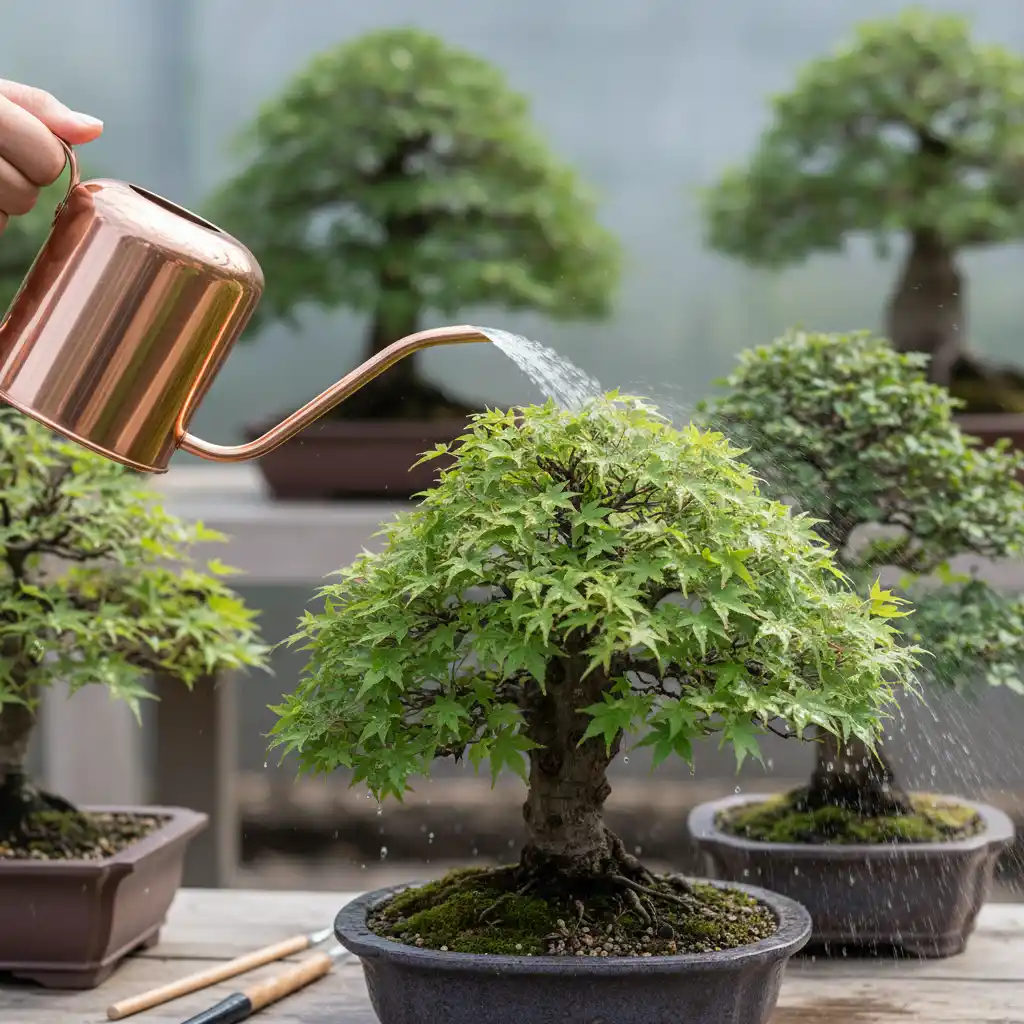
Watering needs vary greatly. Tropical species might prefer consistently moist soil, while some conifers thrive with periods of drying between waterings. Factors like pot size, soil composition, and climate all influence watering schedules. Over or under-watering is a common killer. For detailed guidance on effective watering practices, refer to our article on Bonsai Watering Techniques.
Fertilization also depends on the species and its growth stage. Fast-growing deciduous trees often need more frequent feeding during the growing season than slower-growing pines. Understanding specific nutrient requirements ensures vigorous growth and overall health, a core part of Bonsai Soil, Fertilization & Nutrition.
Pest and Disease Management
Different bonsai species can be susceptible to various pests and diseases. For instance, Junipers are prone to spider mites, while Ficus might attract scale. Regular inspection and early intervention are vital.
Understanding common issues for your specific tree type allows for targeted prevention and treatment. A healthy tree, maintained with proper advanced care, is much more resilient to infestations and illnesses, contributing to its overall authority and longevity.
Styling and Training
The natural flexibility of branches and the tree’s growth pattern influence bonsai styling techniques. Professional Bonsai Styling Tools and Their Use are often necessary to achieve desired results. Some species bend easily with wire, while others are brittle and require gentler methods or carving. Bonsai styling & design is an art that respects the tree’s inherent form.
Pruning responses also differ. Some trees bud back readily on old wood, allowing for drastic cutbacks, while others may not. Mastering these nuances allows for effective training to achieve desired shapes and ensure the structural integrity of your miniature tree.
Selecting the ideal bonsai for your climate and preferences is a rewarding journey. By understanding the unique characteristics highlighted in this bonsai species comparison, you are better equipped to cultivate a thriving and beautiful miniature tree. Embrace the joy of bonsai and watch your living art flourish.