Advanced Bonsai Pest and Disease Management

bonzai.co.nz
Advanced bonsai pest control involves a sophisticated, multi-faceted approach to protect these delicate trees. It focuses on early detection, precise identification, and sustainable methods like Integrated Pest Management (IPM), going beyond basic sprays to ensure long-term plant health and vitality against various infestations and diseases. For a comprehensive resource, refer to the Bonsai Pest Identification Guide.
Table of Contents
Keeping a bonsai tree healthy requires keen observation and proactive care. While these miniature masterpieces bring immense joy, they are also susceptible to various pests and diseases. Understanding how to manage these threats effectively is crucial for your tree’s long-term survival and beauty. This guide explores advanced techniques to maintain your bonsai’s health and vigor, ensuring its contribution to bonsai art and its overall environmental resilience.
Integrated Pest Management (IPM) for Bonsai
Integrated Pest Management, or IPM, is a smart and sustainable approach to dealing with pests. It uses a blend of common-sense practices and low-risk tools to minimize pest damage without heavy reliance on strong chemicals. This holistic method is foundational for effective advanced bonsai pest control, protecting not only your tree but also the surrounding ecosystem.
Understanding IPM Principles
IPM starts with proactive prevention. Providing the ideal environment for your bonsai is the first line of defense against infestations. This includes meticulous attention to proper watering techniques, ensuring excellent air circulation around the foliage, and providing adequate light exposure. A robust and healthy bonsai tree naturally possesses greater resistance, making it less vulnerable to common pests like aphids, spider mites, or mealybugs.
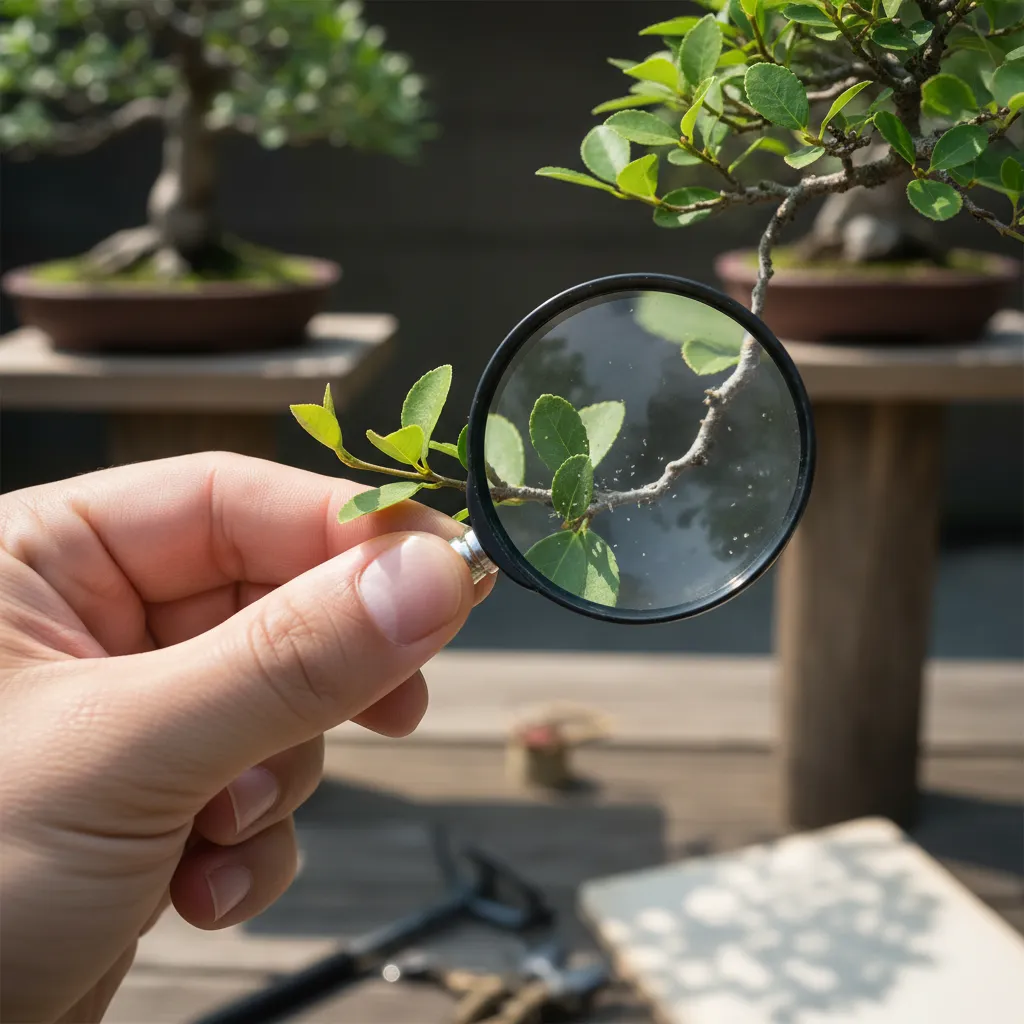
Beyond prevention, regular and thorough monitoring is absolutely vital. Inspect your trees frequently and carefully, paying close attention to the tops and undersides of leaves, stems, bark, and even the soil surface. Early detection of pests or the initial symptoms of disease allows for immediate, targeted action, preventing minor issues from escalating into severe problems. A magnifying glass can be an invaluable tool for spotting tiny invaders or subtle changes in foliage color or texture that indicate distress.
Cultural and Mechanical Controls
Cultural controls focus on optimizing your bonsai’s living conditions to enhance its natural defenses. Ensure your bonsai resides in a medium of nutrient-rich, well-draining soil, crucial for root health. Avoid the common pitfall of overwatering, as consistently wet soil starves roots of oxygen, leading to root rot – a widespread and often fatal issue. Correct pruning techniques also play a significant role, as removing weak, dead, or diseased branches not only shapes the tree and contributes to Ramification and Fine Branching in Bonsai but also eliminates potential breeding grounds that might attract pests and diseases.
Mechanical controls are direct, physical actions you can take to remove pests. For larger invaders like caterpillars, slugs, or even some scale insects, careful hand-picking is highly effective. A strong, directed spray of water can dislodge many soft-bodied pests such as aphids and spider mites from leaves, washing them away. If a branch is heavily infested or diseased, pruning it away promptly prevents the problem from spreading to healthier parts of the tree. Always remember to sterilize your pruning tools with alcohol or a bleach solution before and after each use to prevent accidental disease transmission between plants.
Biological Controls and Safe Interventions
Introducing beneficial insects is a cornerstone of organic and natural pest management. Ladybugs, for instance, are voracious eaters of aphids, while lacewing larvae are excellent predators for a wide range of soft-bodied insects. This method harnesses nature’s own predatory mechanisms, providing a highly sustainable and environmentally friendly approach. It’s a key component of sophisticated advanced bonsai pest control strategies, promoting ecological balance in your growing area.
When an intervention beyond cultural and biological methods becomes necessary, always choose the least toxic option available. Insecticidal soaps and horticultural oils are often preferred due to their lower environmental impact. These products work by smothering soft-bodied insects or disrupting their cell membranes. Always test any new product on a small, inconspicuous part of the tree first to ensure no adverse reaction or damage occurs. Rigorously follow all label instructions regarding dilution rates, application methods, and safety precautions for optimal efficacy and plant safety.
Identifying Common Bonsai Diseases
Beyond insect pests, bonsai trees can unfortunately succumb to a variety of diseases. These ailments are frequently caused by fungi, bacteria, or occasionally viruses. Developing the ability to accurately identify these issues quickly is paramount for timely treatment and the preservation of your cherished tree. Precise disease identification forms a critical component of comprehensive bonsai health management, ensuring your tree continues to represent the pinnacle of bonsai art.
Fungal Diseases: The Usual Suspects
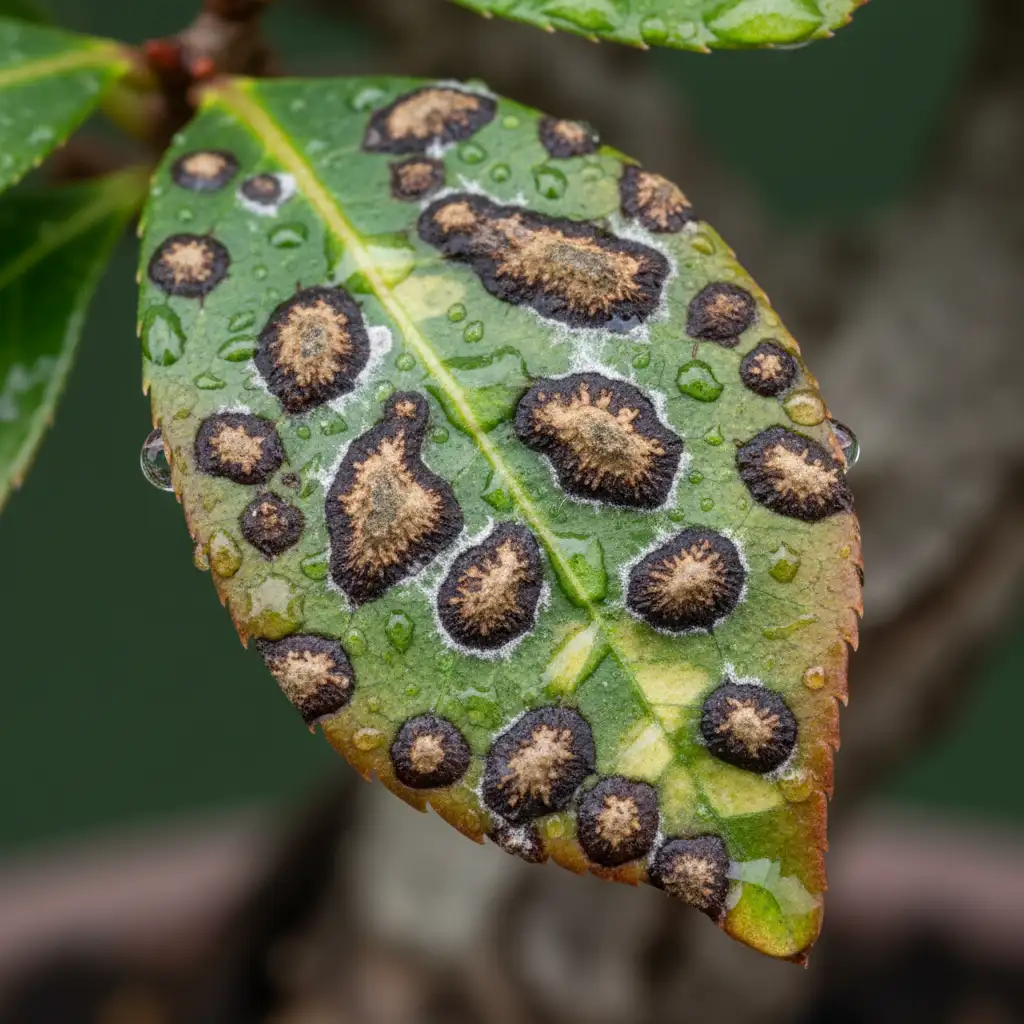
Fungi represent the most prevalent cause of bonsai diseases, often thriving in specific environmental conditions. Powdery mildew presents as distinctive white, dusty patches on the surface of leaves and young stems. It flourishes in conditions of high humidity combined with poor air circulation, making proper spacing and ventilation crucial. Rust appears as small, raised orange or brown spots, frequently found on the undersides of leaves, and can lead to defoliation.
Black spot is characterized by dark, circular lesions with yellow halos, particularly common on susceptible species like rose bonsai, leading to premature leaf drop. Perhaps the most insidious and dangerous is root rot. This devastating condition occurs when the soil remains waterlogged for extended periods, suffocating the roots by depriving them of oxygen. Symptoms above ground include wilting leaves, yellowing or browning foliage, and an overall, rapid decline in tree vigor. Diagnosing root rot often requires carefully examining the roots for a soft, mushy, and foul-smelling texture, indicating decay.
Bacterial and Viral Issues
Bacterial infections are less common in bonsai but can be extremely severe, leading to rapid decline. They often manifest as dark, water-soaked spots on leaves or cankers on stems, which can quickly girdle and kill branches. Bacterial blight, for example, can cause swift wilting and death of entire sections of the tree. Implementing rigorous hygiene practices, such as consistently sterilizing pruning tools and avoiding overhead watering (which splashes bacteria), is critical in preventing their spread.
Viral diseases are relatively rare in bonsai collections but can be very challenging. They typically cause symptoms such as stunted growth, mottled or distorted leaves, and unusual patterns or streaking in the foliage. Unfortunately, there is currently no cure for most viral infections in plants. Any infected trees should be immediately isolated from your collection or, if the infection is severe and confirmed, removed entirely to prevent any potential spread to other healthy plants. This underscores the profound importance of maintaining a clean, well-monitored bonsai environment.
Organic Treatment Solutions for a Healthy Bonsai
Many experienced bonsai enthusiasts and newcomers alike prefer organic treatment methods to avoid the use of harsh chemical pesticides and fungicides. These natural solutions are generally safer for the environment, for your delicate trees, and for your own health. They form a crucial and integral part of any comprehensive advanced bonsai pest control strategy when preventative measures alone are insufficient to address an outbreak.
Neem Oil: A Natural Powerhouse
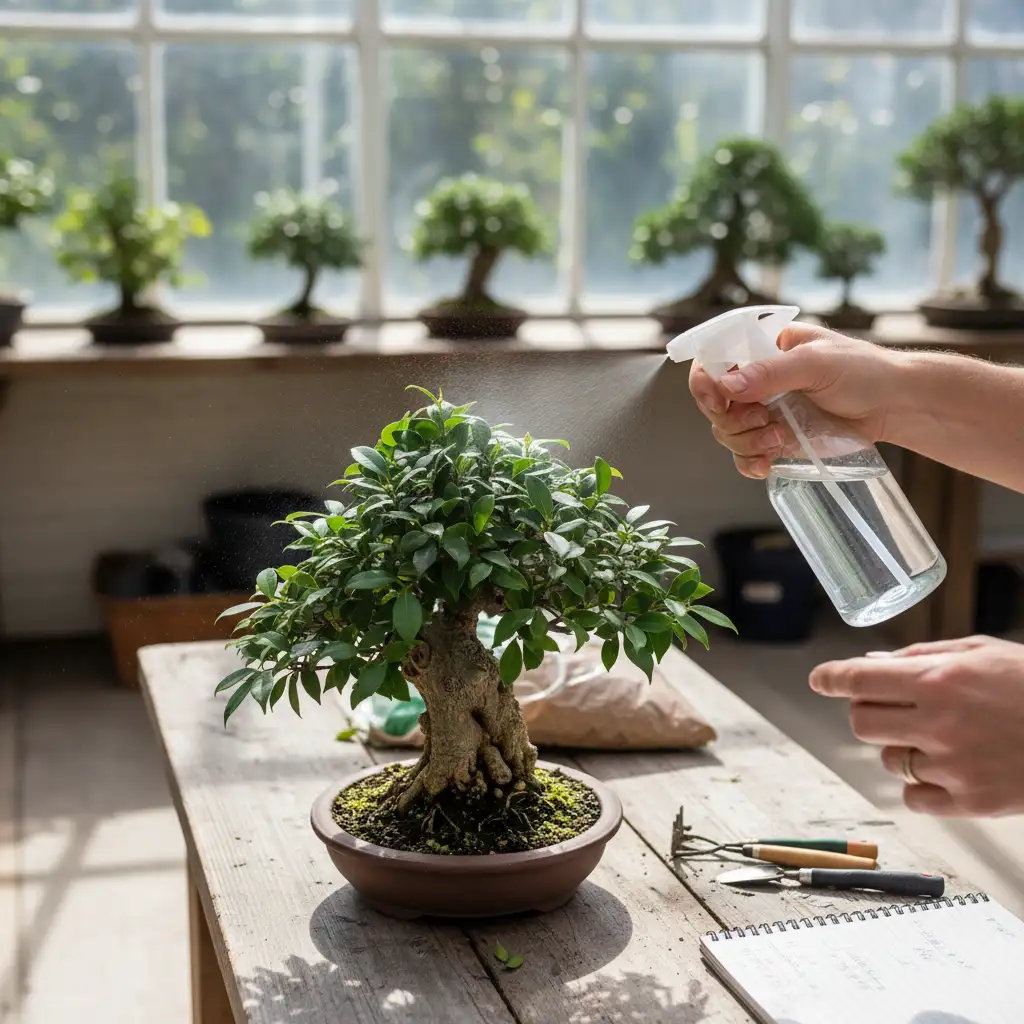
Neem oil, extracted from the seeds of the neem tree (Azadirachta indica), is a remarkable natural product. It functions effectively as an insecticide, fungicide, and miticide, offering broad-spectrum protection. Its primary active compound, azadirachtin, disrupts insect feeding, growth, and reproduction, making it a versatile and potent tool. To use, mix it with water and a small amount of mild dish soap (which acts as an emulsifier to allow it to mix) and spray it thoroughly on your bonsai. Ensure complete coverage, paying special attention to all leaf surfaces, particularly the undersides where many pests hide.
For active infestations, apply neem oil every 7-14 days until the pest problem is noticeably resolved. For preventative purposes, a monthly application can be beneficial. It is most effective when used preventatively or at the very first sign of an infestation. Always apply neem oil during the cooler parts of the day (early morning or late evening) to prevent potential leaf burn, especially in strong sunlight. If treating indoors, ensure the area is well-ventilated to avoid any strong odors.
Insecticidal Soaps and Horticultural Oils
Insecticidal soaps are another excellent organic option, particularly effective against soft-bodied insects. They work by breaking down the waxy outer layer of pests, leading to dehydration and death. They are highly effective against common nuisances like aphids, spider mites, mealybugs, and whiteflies. For best results, apply the soap directly to the pests, ensuring full and direct contact for maximum efficacy. Rinse the tree after a few hours if directed by the product, or if signs of leaf burn appear.
Horticultural oils, which include lightweight mineral oils or refined vegetable oils, act similarly by suffocating insects and their eggs, forming a thin film that blocks their breathing pores. They are particularly useful for controlling overwintering eggs of various pests and adult scale insects. Apply these oils during the dormant season or when temperatures are mild to prevent stress to the plant. Always dilute according to specific product instructions, as improper concentrations can damage delicate foliage.
Natural Fungicides and Prevention
For managing fungal diseases organically, several options exist. Copper-based fungicides can be effective against certain fungal and bacterial issues, but they must be used judiciously as overuse can accumulate in the soil and potentially harm your tree. Simple baking soda solutions (mixed with water and a tiny amount of liquid soap) have also shown some success in suppressing powdery mildew, though results can vary depending on the severity and type of fungus.
However, the most potent organic defense against disease remains prevention. Ensuring your bonsai has impeccable drainage, consistent and good air circulation around its foliage, and is not over-fertilized (as excess nitrogen can promote soft, disease-prone growth) are critical steps. Regularly removing dead leaves, spent flowers, and any organic debris from the soil surface significantly reduces the breeding grounds for fungal spores and bacterial growth. These diligent, yet simple, steps are fundamental to reducing the risk of both fungal and bacterial ailments.
Beyond the Basics: Advanced Diagnostics
For truly effective advanced bonsai pest control and disease management, understanding the subtle signs of plant distress is key. This moves beyond simply identifying the pest or disease and delves into understanding the underlying causes, allowing for more proactive and long-lasting solutions.
Soil Health & Root Inspection: A healthy bonsai starts with healthy roots and soil. Regularly assessing your soil’s structure, drainage, and nutrient content can reveal potential issues before they manifest as visible problems on the foliage. Gentle root inspections during repotting can identify early signs of root rot or nutrient deficiencies, which often weaken a tree and make it more susceptible to external threats.
Environmental Stressors: Pay close attention to environmental factors that might stress your tree. Inconsistent humidity, sudden temperature fluctuations, or inadequate light can weaken a bonsai’s immune system, making it an easy target for pests and diseases. Understanding the specific needs of your bonsai species and replicating its natural growing conditions as closely as possible is vital for building its natural resilience.
Microscopic Examination: For persistent or unusual symptoms, a more detailed examination might be necessary. Using a strong magnifying glass, or even a microscope for the truly dedicated, can help identify very tiny pests, fungal spores, or bacterial colonies not visible to the naked eye. If you encounter something completely unfamiliar, consulting with a local horticulture expert or a specialized bonsai nursery can provide invaluable insights and diagnosis. This level of detail distinguishes truly advanced care.
Seasonal Care and Resilience Building
Understanding seasonal changes is integral to advanced bonsai pest and disease management. Each season presents unique challenges and opportunities to strengthen your trees and prevent future problems.
Winter Protection & Dormancy: During winter, many pests overwinter in soil or bark crevices. Proper winter protection, ensuring adequate but not excessive moisture, and maintaining cool dormancy temperatures helps prevent early pest activity. A dormant oil spray in late winter can target overwintering eggs of scale and mites, providing a strong preventative strike before spring growth begins.
Spring & Summer Vigilance: These are periods of active growth and unfortunately, active pests. Increased monitoring is crucial, especially regarding Spring Care for Bonsai. As new foliage emerges, it’s particularly vulnerable. Implement proactive organic sprays and regular inspections. Ensure trees have optimal light and air circulation to prevent fungal growth, which thrives in warm, humid summer conditions. Adequate fertilization supports strong new growth that can better resist damage.
Autumn Preparation: As autumn approaches, focus on strengthening your trees for the coming cold. Ensure they are well-watered before frost, and reduce nitrogen fertilization to promote hardening off. Raking away fallen leaves and debris from around the tree removes hiding spots for overwintering pests and fungal spores, critical for maintaining a clean environment.
Building Natural Resistance: Ultimately, the best defense is a strong offense. A healthy tree, grown under optimal conditions, will naturally be more resistant to pests and diseases. This includes providing species-specific care, proper nutrition, balanced watering, and thoughtful placement. By minimizing stress, you empower your bonsai to protect itself, reducing the need for interventions and enhancing its long-term health and artistic display.
Conclusion: Vigilance and Care
Mastering advanced bonsai pest control and disease management is an ongoing journey of learning and dedicated observation. It demands vigilance, continuous acquisition of knowledge, and a deep, intuitive connection to your miniature trees. By diligently understanding and applying IPM principles, by accurately recognizing common ailments, by embracing effective organic solutions, and by integrating seasonal care, you provide the best possible defense for your cherished bonsai. Your unwavering dedication and thoughtful care will ensure they not only survive but truly thrive, remaining vibrant, healthy, and a profound source of natural beauty for many years to come.
References
For further reading and in-depth information on specific pest and disease treatments, consult reputable horticultural resources and university extension programs. A good starting point for general pest control information is the Wikipedia article on Pest Control.