Bonsai for Beginners: Comprehensive Guides & Starter Kits
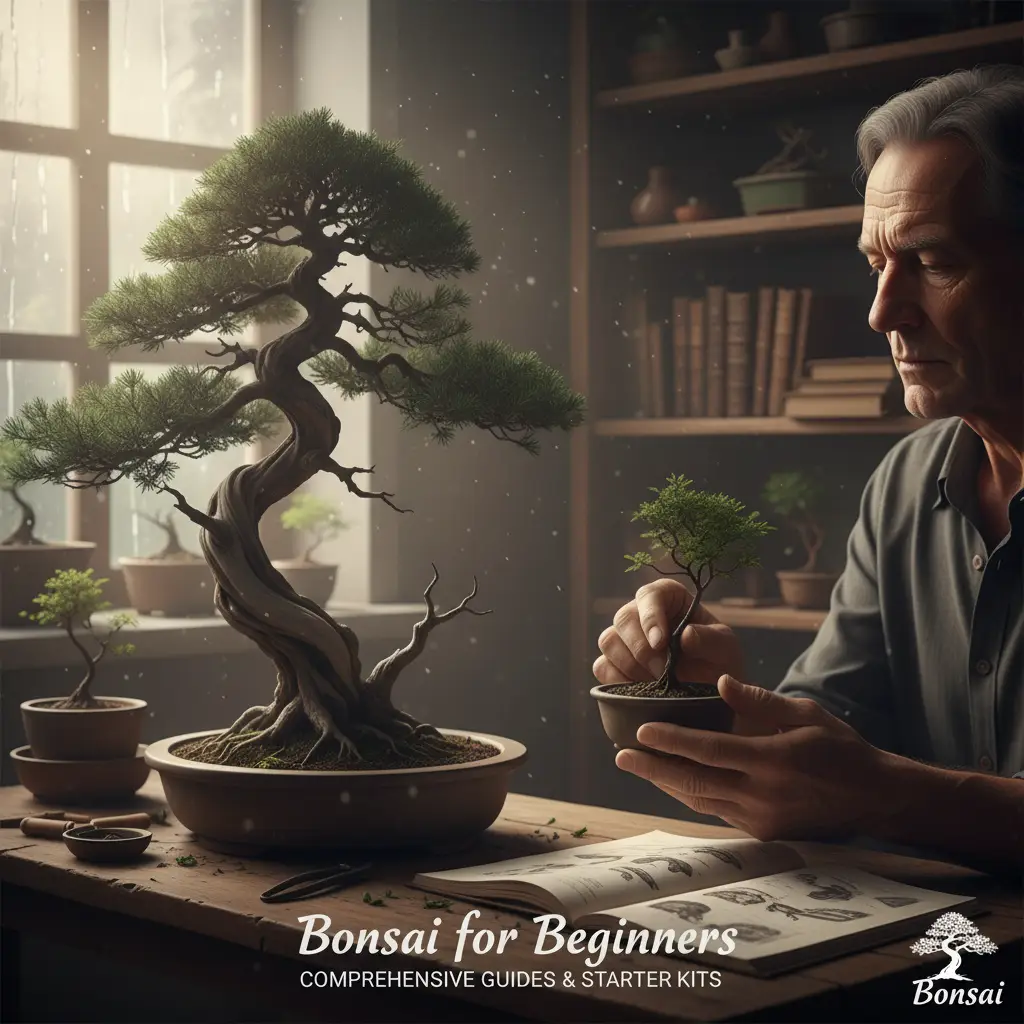
bonzai.co.nz
What You’ll Learn
Bonsai for beginners involves understanding the fundamental principles of cultivating miniature trees in pots. This guide provides essential knowledge on choosing your first tree, basic care requirements like watering and light, and simple styling techniques, making it easy for anyone to start this rewarding hobby.
Welcome to the captivating world of bonsai! This ancient art form transforms ordinary trees into stunning miniature landscapes, bringing a sense of tranquility and natural beauty into your home or garden. Many people assume bonsai is difficult, but with the right foundational content and understanding of practical bonsai care, anyone can cultivate these living masterpieces.
Our comprehensive guides are designed specifically for bonsai for beginners, ensuring you have all the knowledge needed to start. From selecting your very first tree to mastering essential care techniques, we’re here to guide every step of your journey. Let’s demystify the art of bonsai and help you grow with confidence.
The First Steps in Your Bonsai Journey
Starting with bonsai might seem overwhelming, but it’s an incredibly rewarding hobby. It requires patience and observation, connecting you deeply with nature. Our focus here is to provide clear, actionable steps for new bonsai enthusiasts.
What Exactly is Bonsai?
Bonsai is not a specific type of tree, but rather an artistic practice of growing trees in small containers. Through careful pruning, shaping, and wiring, artists create miniature versions of full-sized trees found in nature. The goal is to evoke the image of a mature tree in a natural setting.

Why Choose Bonsai as a Hobby?
Beyond its aesthetic appeal, bonsai offers numerous benefits. It’s a therapeutic practice that reduces stress and fosters mindfulness. Caring for a bonsai tree helps develop patience and an appreciation for the subtle cycles of growth and change. It’s a living art that evolves with you.
Choosing Your First Bonsai Tree
The first decision for any aspiring bonsai enthusiast is choosing the right tree. This choice largely depends on your local climate and how much time you can dedicate to care. Certain species are more forgiving and thus ideal for bonsai for beginners.
Popular Beginner Bonsai Species
For those new to the art, selecting a resilient species is key. Here are a few excellent choices:
- Ficus: Extremely hardy, tolerates varied conditions, and is excellent for indoor bonsai. Its aerial roots add unique character.
- Juniper: A classic outdoor bonsai, known for its strong trunks and needle-like foliage. Requires consistent pruning.
- Chinese Elm: Versatile and fast-growing, making it easy to style. It can adapt to both indoor and outdoor environments.
- Portulacaria Afra (Dwarf Jade): A succulent-like species, very forgiving with watering and great for warmer climates.
Researching specific bonsai species can help you find a perfect match for your lifestyle. Consider visiting a local nursery or specialized bonsai store for expert advice.
Indoor vs. Outdoor Bonsai
This is a critical distinction. Most true tree species need a dormant period, which means they must be kept outdoors where they experience natural seasonal changes. Tropical and subtropical species, however, can thrive indoors if given adequate light and humidity.
For bonsai for beginners, understanding these light conditions is paramount. An indoor bonsai might need a grow light, while an outdoor one needs protection from extreme weather.
Essential Bonsai Care for Beginners
Proper care is the backbone of successful bonsai cultivation. Mastering these foundational content elements will ensure your tree thrives. Consistent practical bonsai care is more important than complex techniques at this stage.
Watering Techniques: The Heart of Bonsai Care
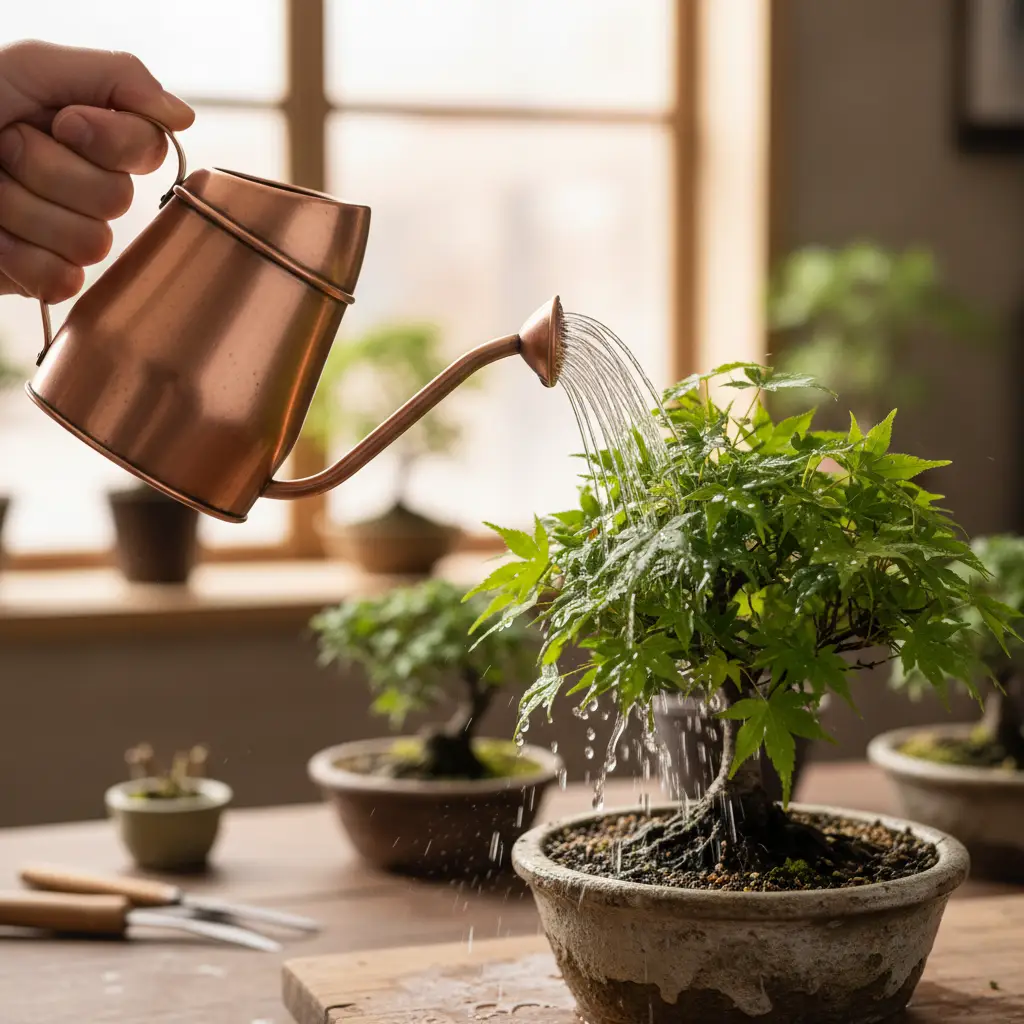
Watering is arguably the most crucial aspect of bonsai care. It’s not about a schedule, but about checking the soil. Water thoroughly when the topsoil feels slightly dry to the touch. Let water drain completely from the bottom of the pot.
Underwatering leads to wilting, while overwatering can cause root rot. Use a watering can with a fine rose to prevent washing away soil. This simple practice ensures healthy root growth for your miniature trees.
Light Requirements
All bonsai trees need light for photosynthesis. Outdoor bonsai thrive in full sun for at least six hours a day, though some might need protection from intense midday sun. Indoor bonsai require a bright, south-facing window or supplemental grow lights.
Insufficient light causes weak growth and can make your tree susceptible to pests and diseases. Understanding the specific needs of your bonsai species is crucial for optimal light conditions.
Soil and Repotting
Bonsai trees require a well-draining soil mixture that retains enough moisture and provides aeration for the roots. A common mix includes akadama, pumice, and lava rock. Regular repotting, typically every 2-5 years depending on species and age, is essential to refresh the soil and perform root pruning.
Root pruning encourages new root growth, which in turn supports a healthy canopy. This aspect of practical bonsai care ensures the tree remains vigorous and compact within its ceramic pot.
Basic Pruning and Shaping
Pruning is how we maintain the bonsai’s desired shape and size. There are two main types: maintenance pruning (trimming new growth to keep the shape) and structural pruning (removing larger branches to refine the overall form).
Wiring is another shaping technique where annealed copper or anodized aluminum wire is gently wrapped around branches to guide their direction. Always remove wire before it bites into the bark. These basic techniques are fundamental for developing beautiful bonsai art.
Troubleshooting Common Issues
Even with careful attention, your bonsai might encounter issues. Yellowing leaves can indicate over or underwatering. Pests like aphids or spider mites can be treated with insecticidal soap. Fungal diseases often point to poor air circulation or excessive moisture.
Early identification and intervention are key to effective troubleshooting. A healthy bonsai responds well to consistent and attentive care. Resources like Wikipedia offer a broad overview of common bonsai problems and solutions.
Expanding Your Bonsai Knowledge
Once you’ve mastered the basics, the world of bonsai offers endless opportunities for growth. You can explore advanced bonsai styling techniques, delve into aesthetic principles, or even propagate your own trees from seeds or cuttings. Developing your eye for miniature landscapes will become a natural extension of your dedication.
Whether you aim for advanced bonsai art or simply wish to enjoy the serene presence of your mini trees, the journey is continuous. There’s always more to learn and new ways to express your creativity. Our goal is to empower all bonsai enthusiasts, from novices to seasoned practitioners.
Conclusion: Your Bonsai Journey Begins Here
Starting with bonsai for beginners is an accessible and enriching experience. With the right foundational content and dedication to practical bonsai care, you can cultivate stunning miniature trees that bring joy and beauty to your life.
Remember, every expert was once a beginner. Embrace the learning process, enjoy the connection with nature, and watch your bonsai — and your skills — flourish. Bonzai is committed to supporting all bonsai enthusiasts on their journey to master this ancient art.